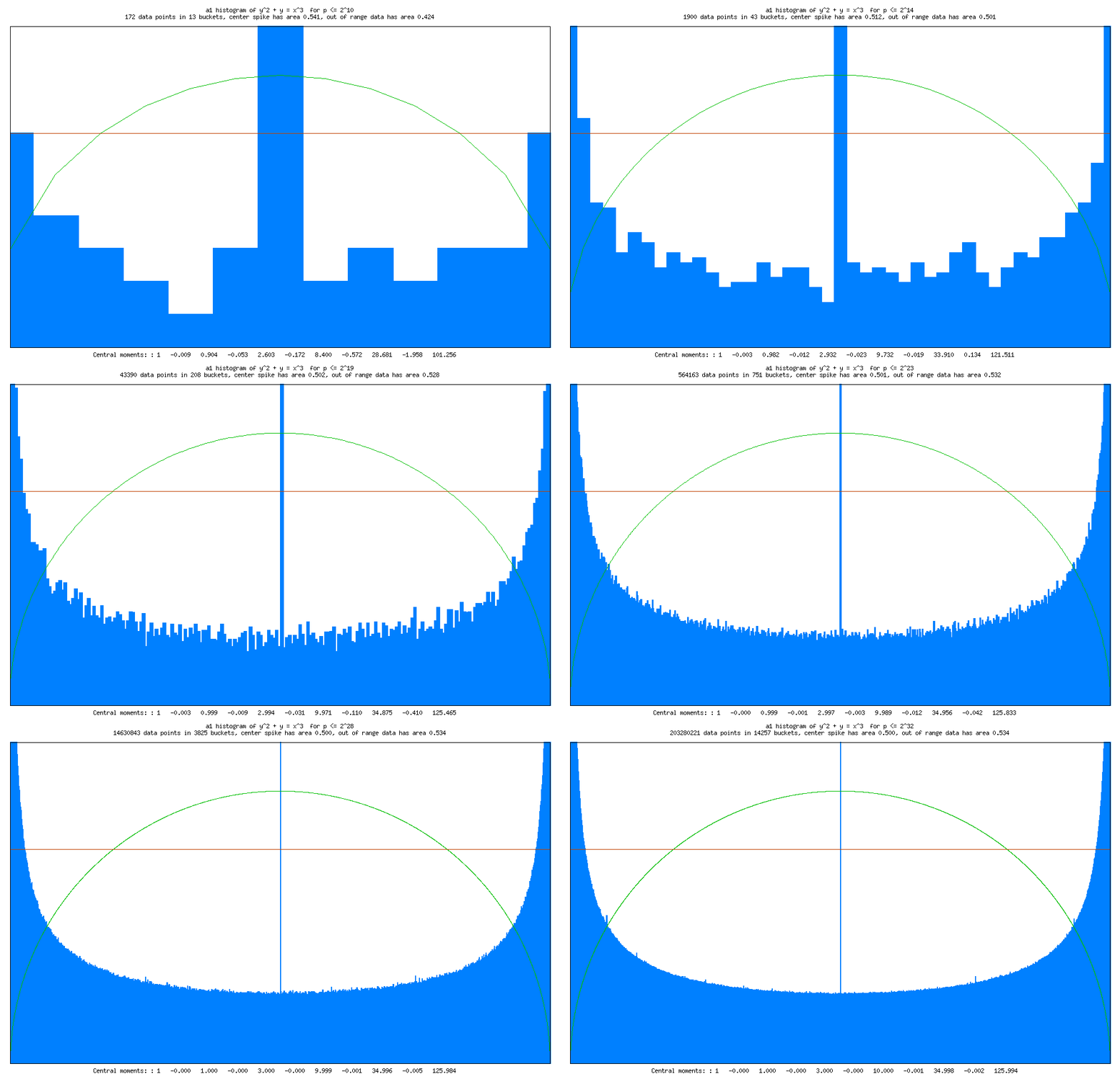
There are precisely 13 non-isomorphic genus 1 curves over the rationals that have complex multiplication (see, e.g., Silverman's book "Advanced Topics in the Arithmetic of Elliptic Curves", p. 483). These are the only curves over Q whose Jacobians have non-trivial endomorphism rings in genus 1, and thus conjectured to be the only curves whose L-polynomial distributions do not converge to that implied by the Haar measure on USp(2)=SU(2). This is equivalent to the Sato-Tate conjecture, recently proven by Harris, Barron, and Taylor in "A family of Calabi-Yau varieties and potential automorphy", preprint, 2006.
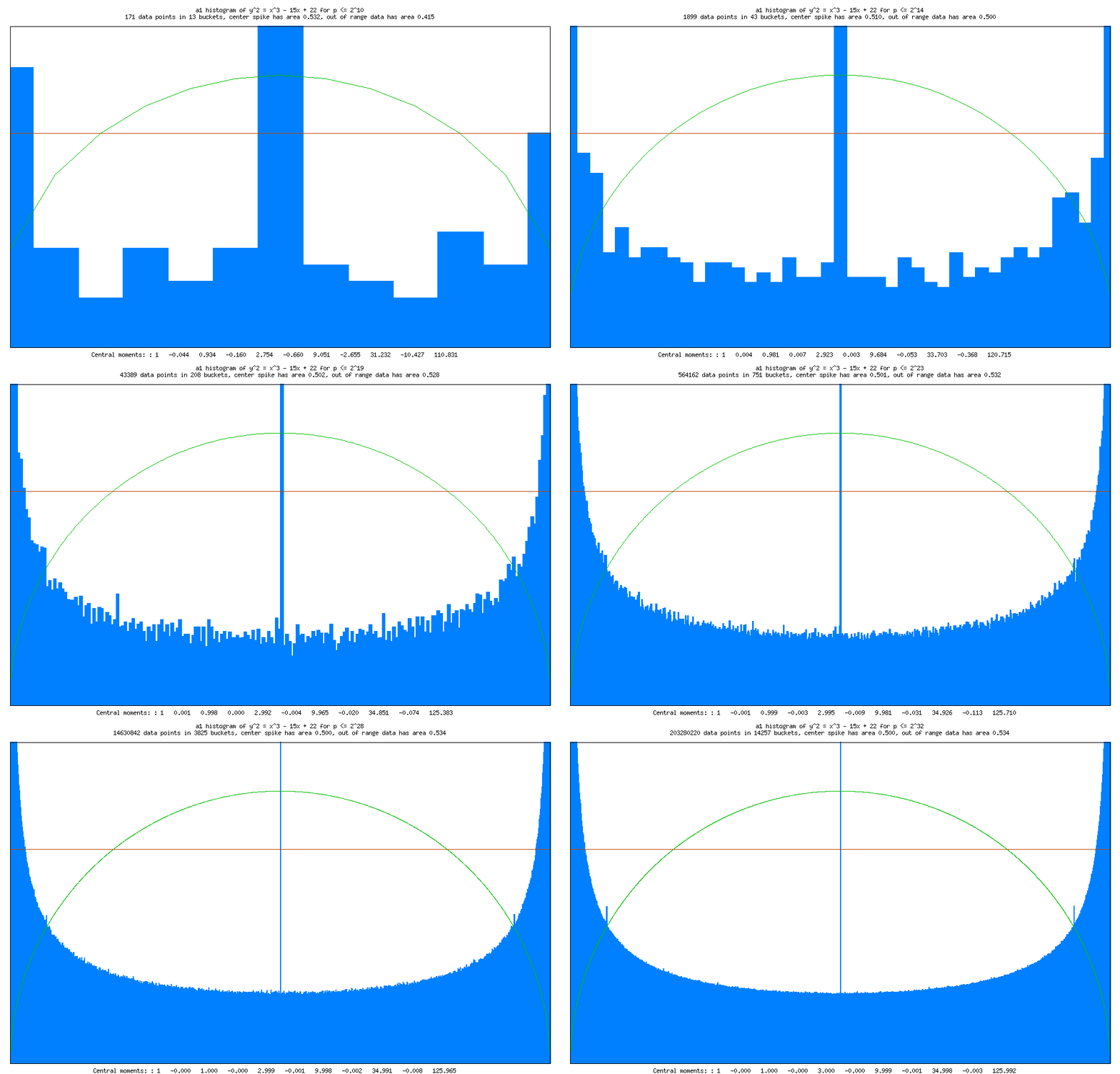
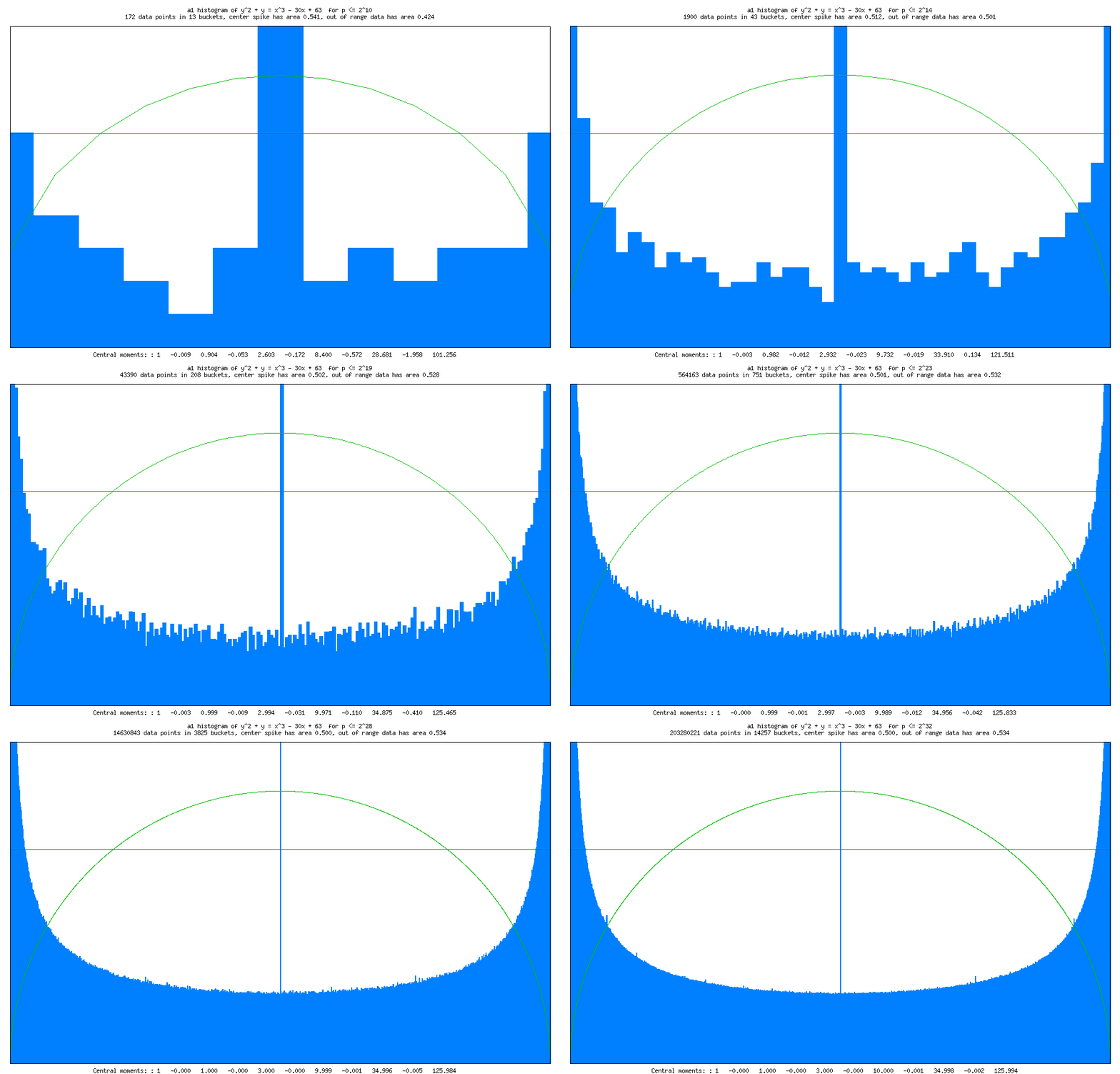
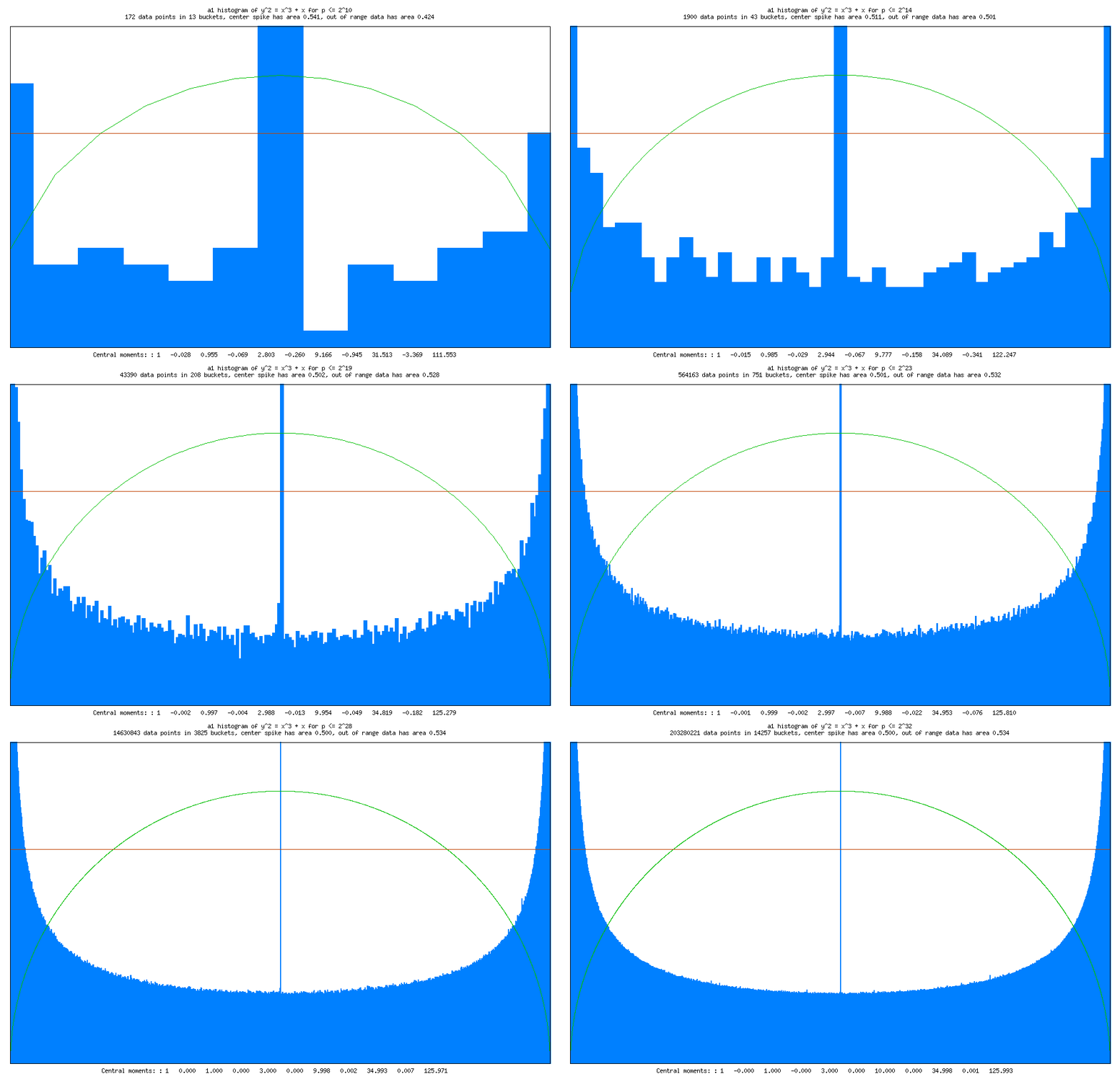
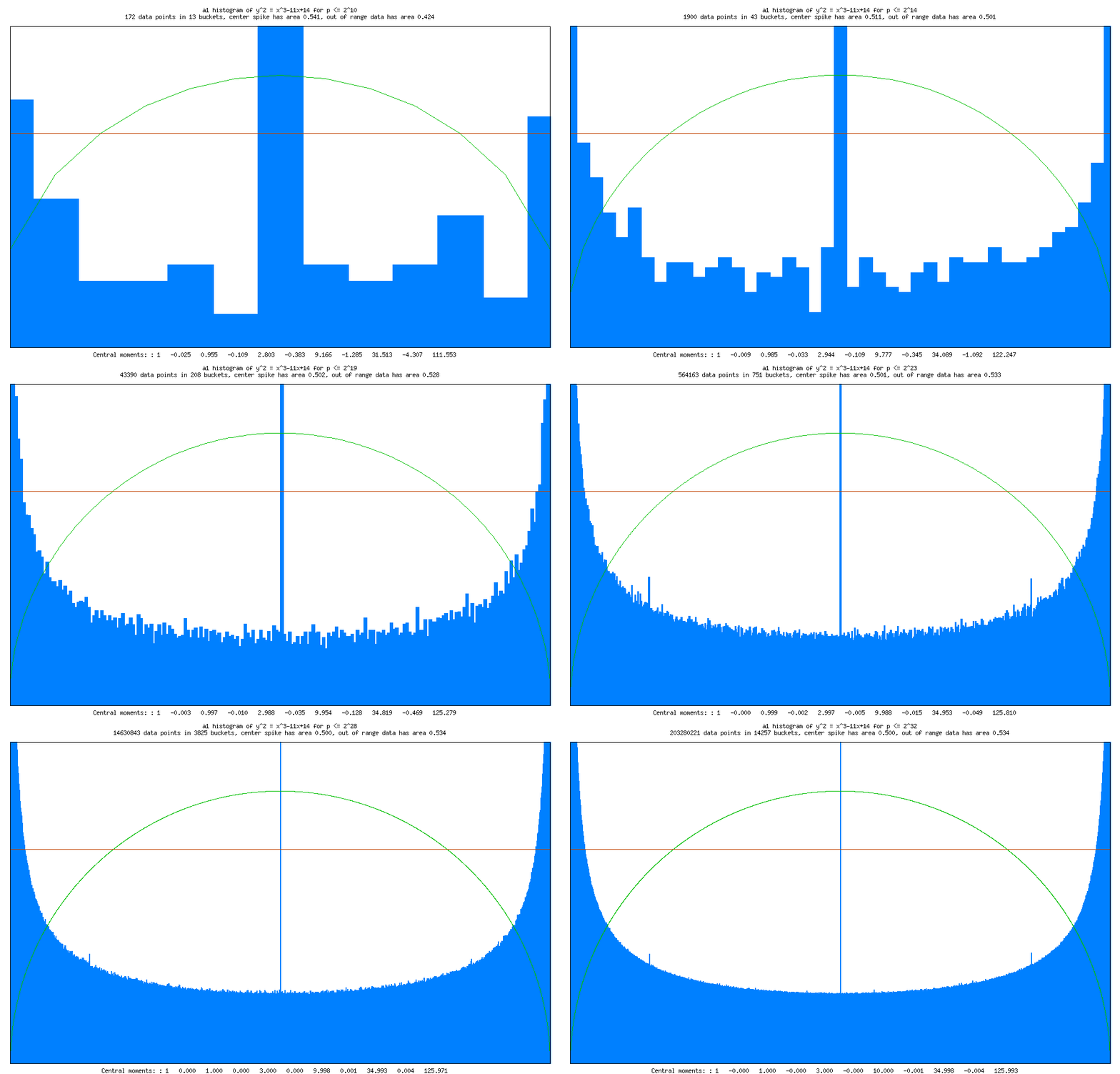
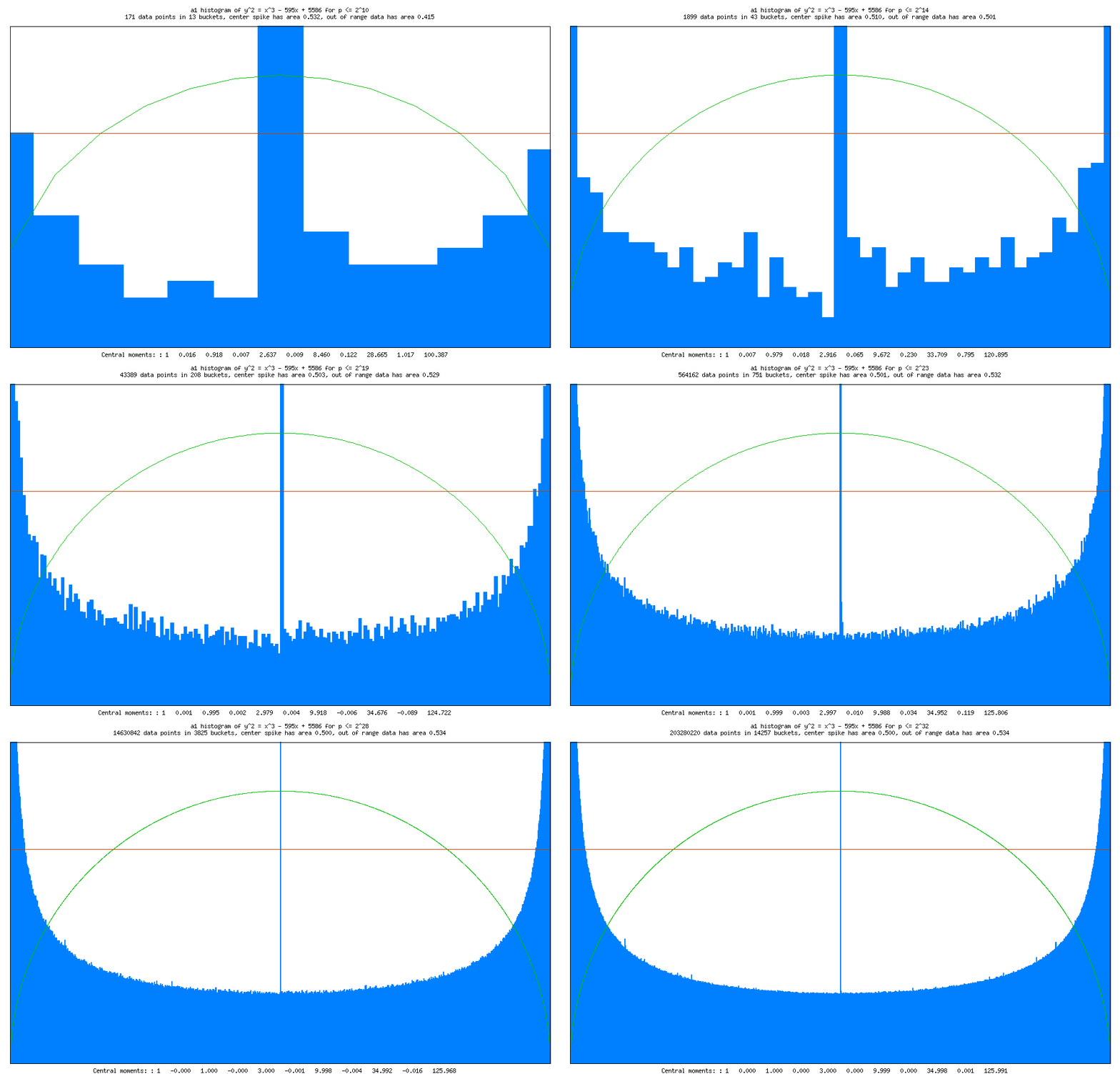
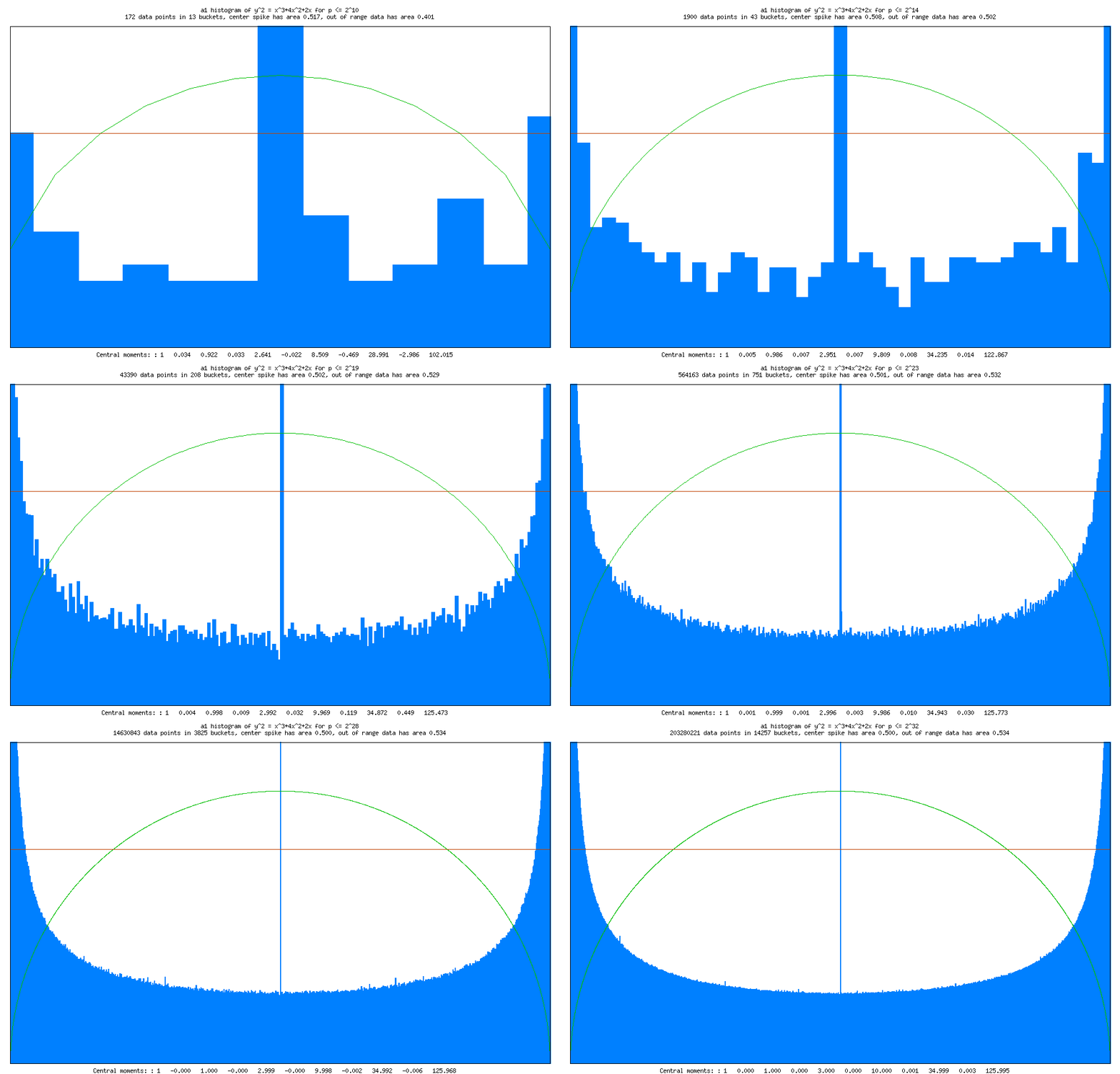
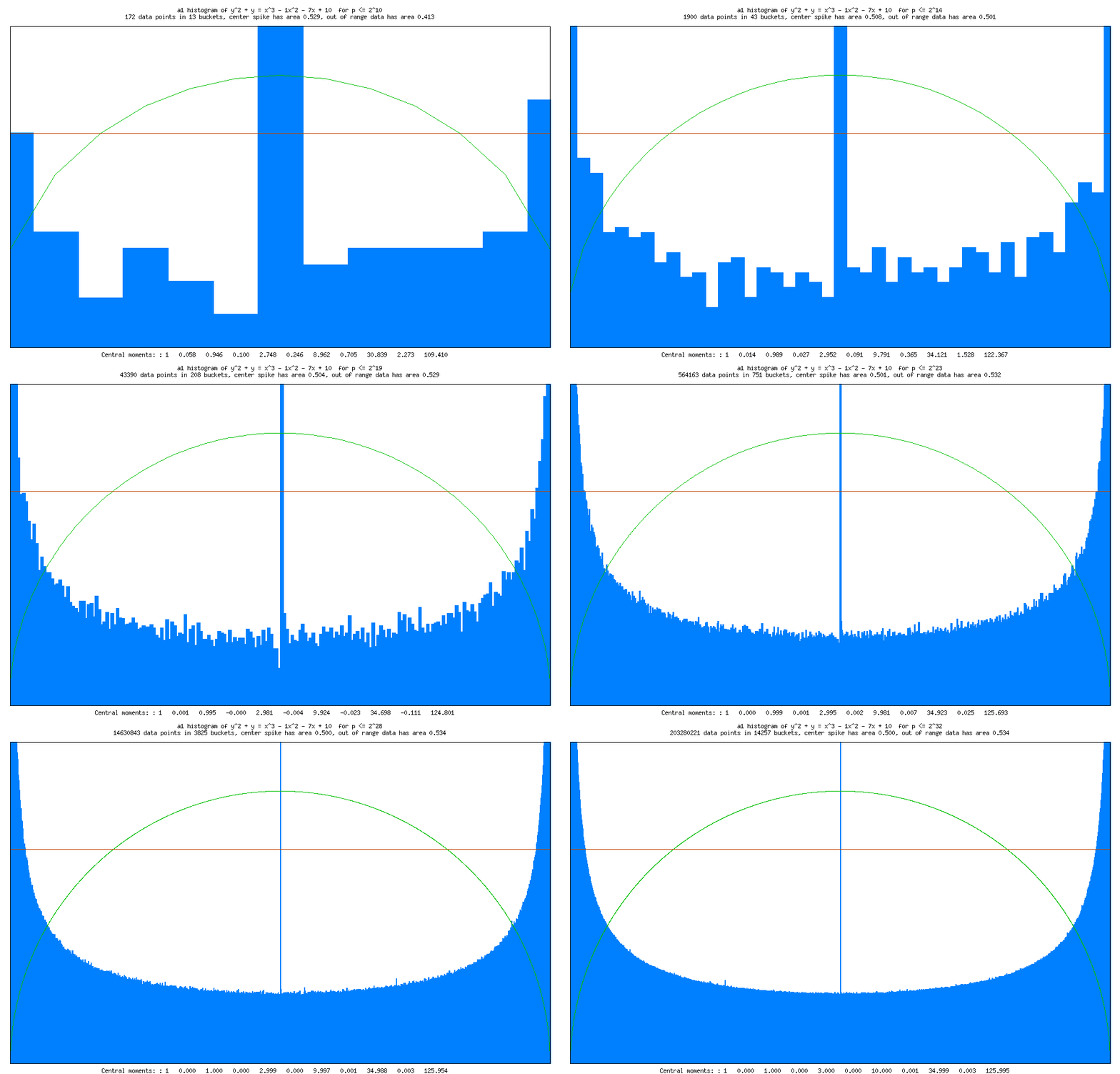
The distributions of the L-polynomial data for these 13 exceptional curves all conform to a similar pattern (but none are identical). For primes that are inert in the CM-field (i.e. the discriminant is not a quadratic residue mod p), the coefficient a1 of Lp(T) is zero. This leads to a central spike in the histogram with area ~1/2. For primes that split, the scaled L-polynomial has conjugate roots ei&theta and e-i&theta with &theta (apparently) uniformly distributed over [0,&pi]. This corresponds to the Haar measure on SO(2), which may be viewed as a subgroup of SU(2).
Genus 1 CM Curves
s2: 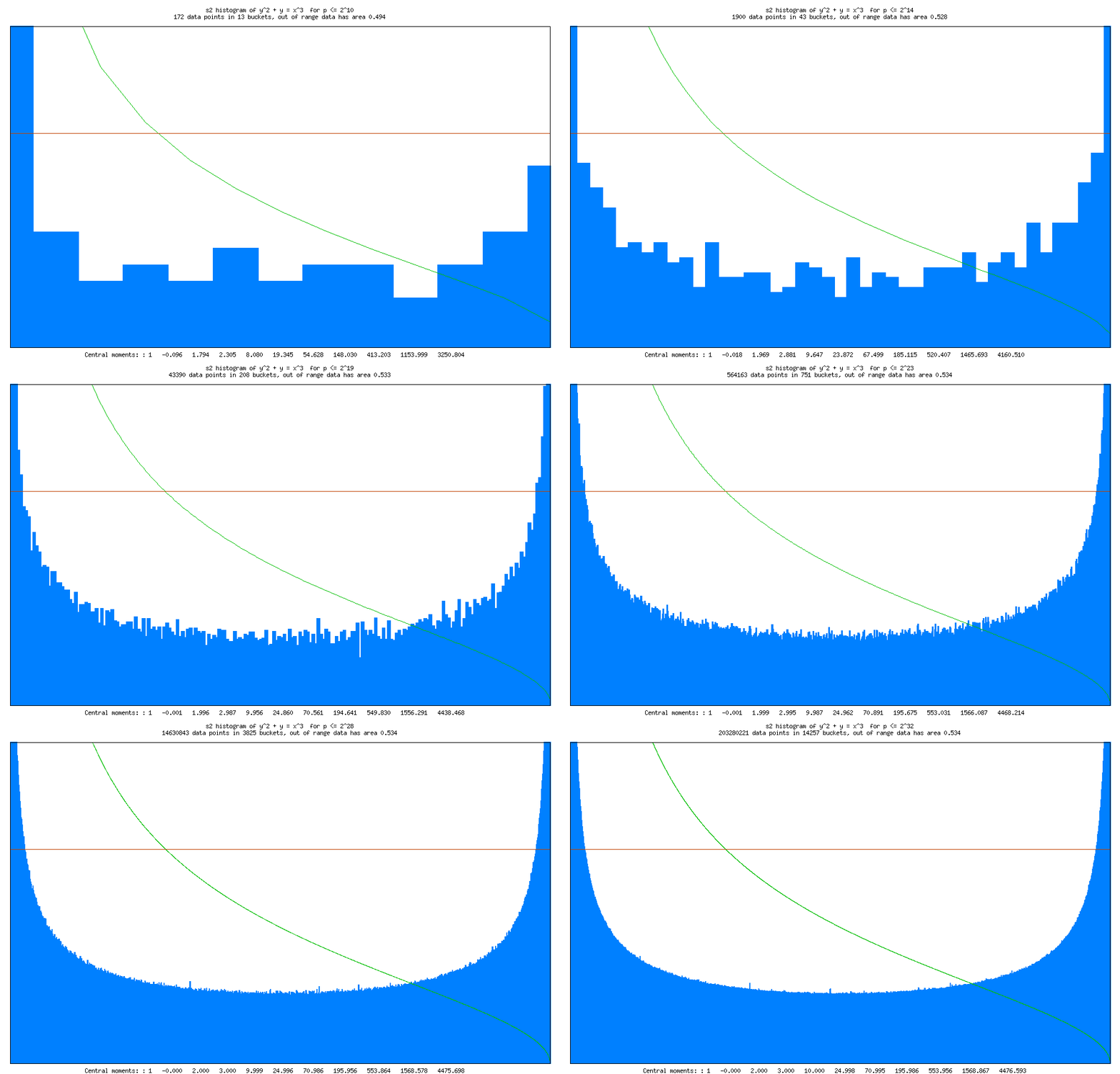 s3:
s3: 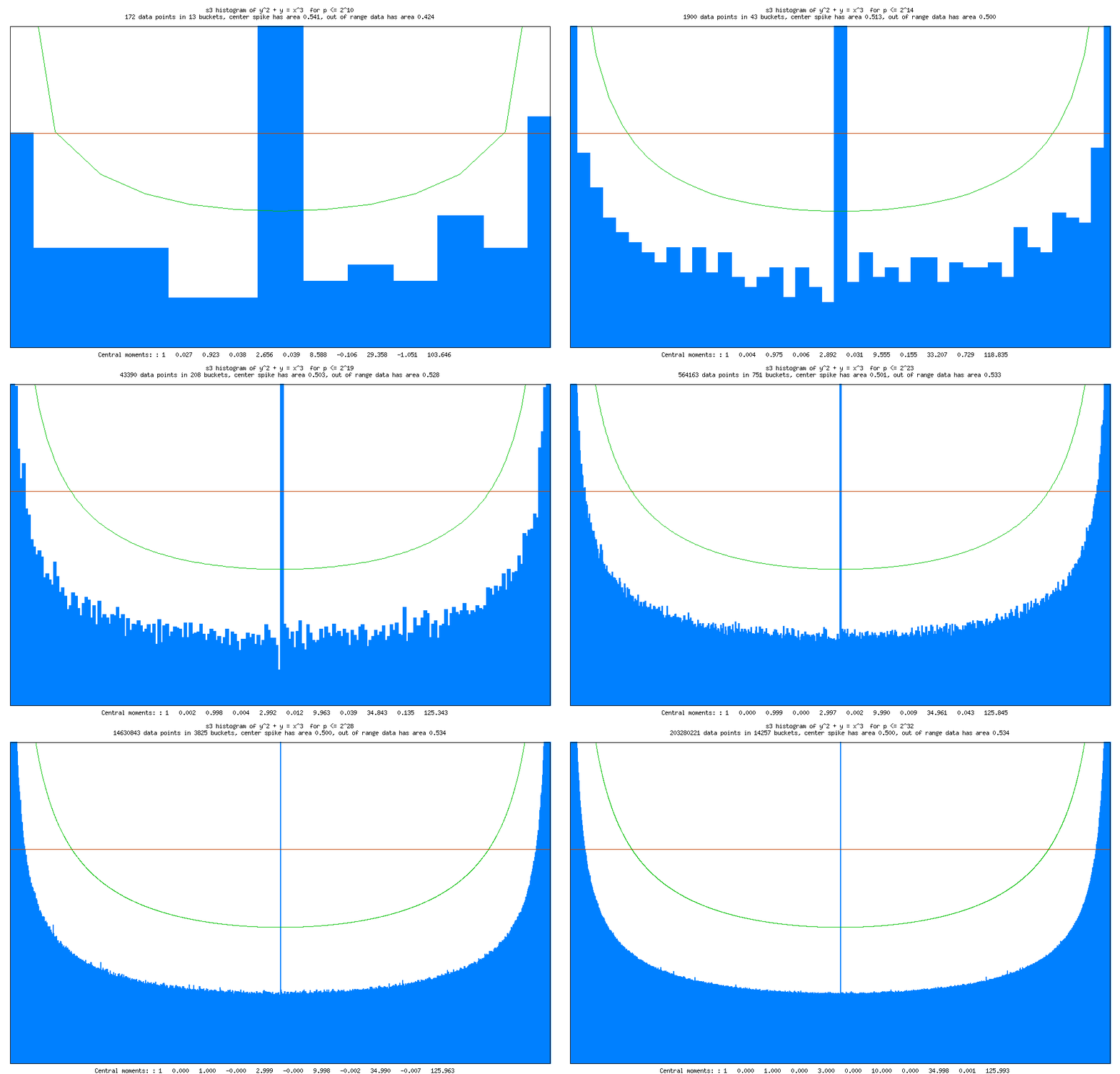 ; Discriminant -3
 s2:
s2: 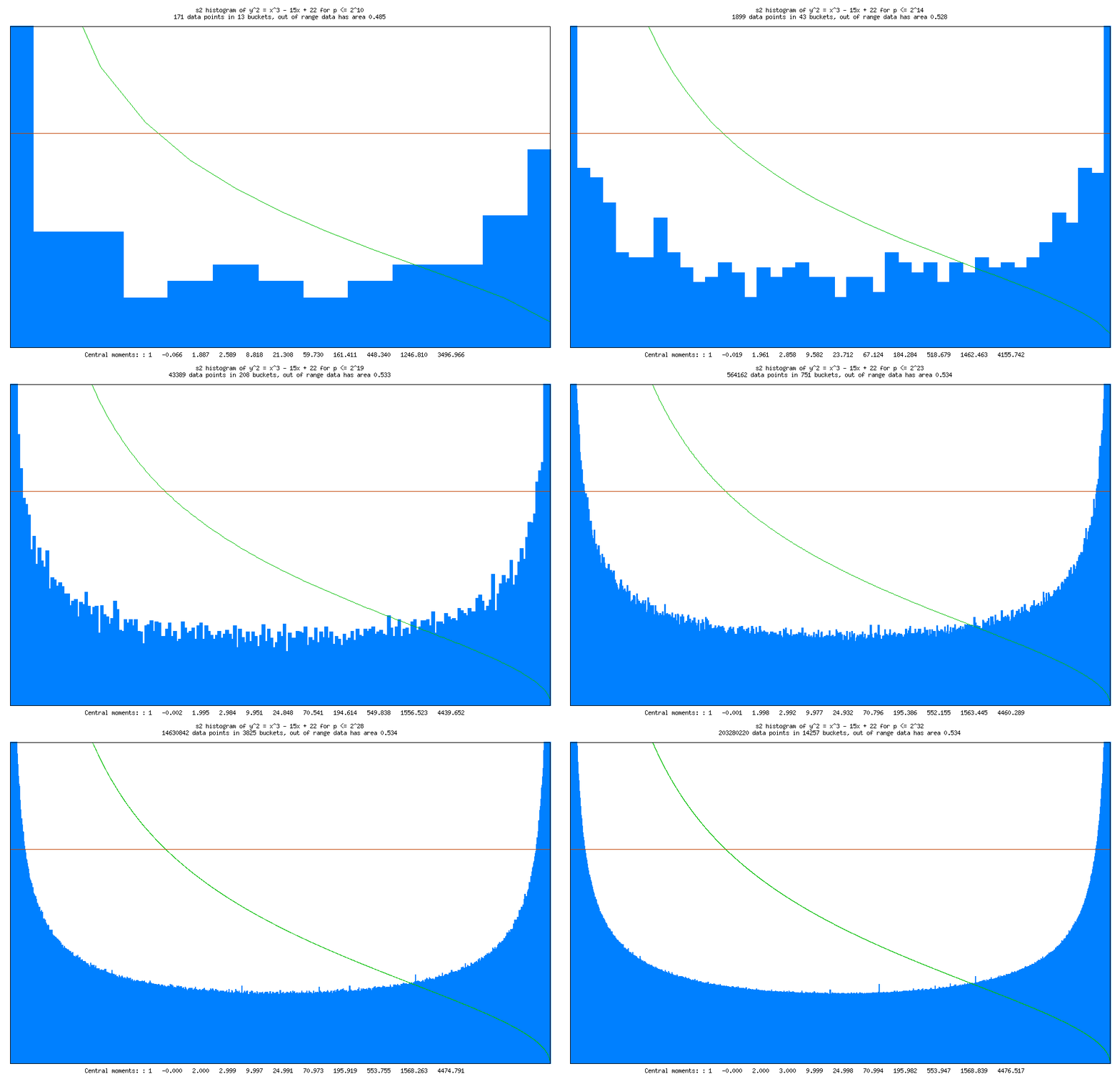 s3:
s3: 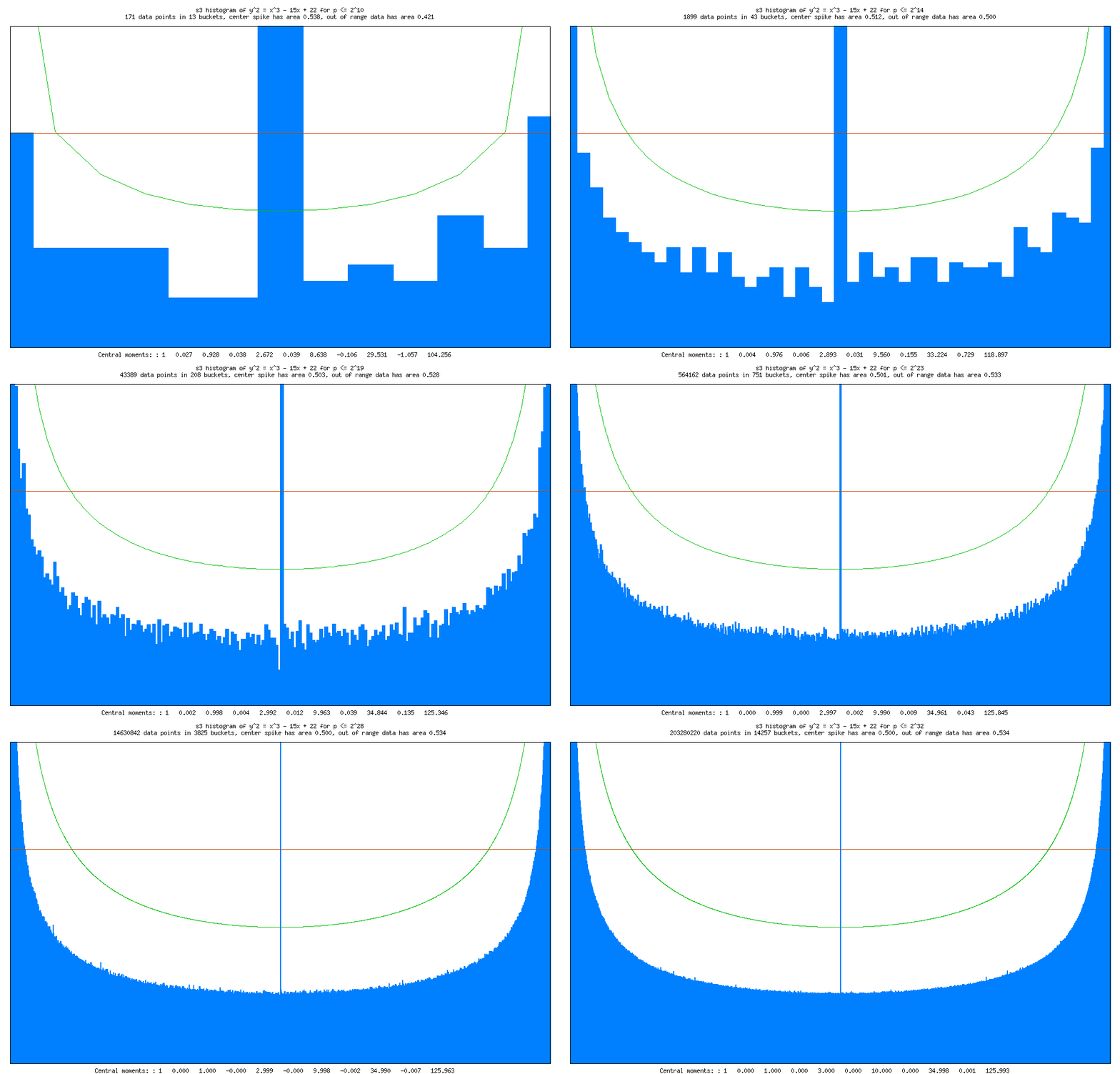 ; Discriminant -3
 s2:
s2: 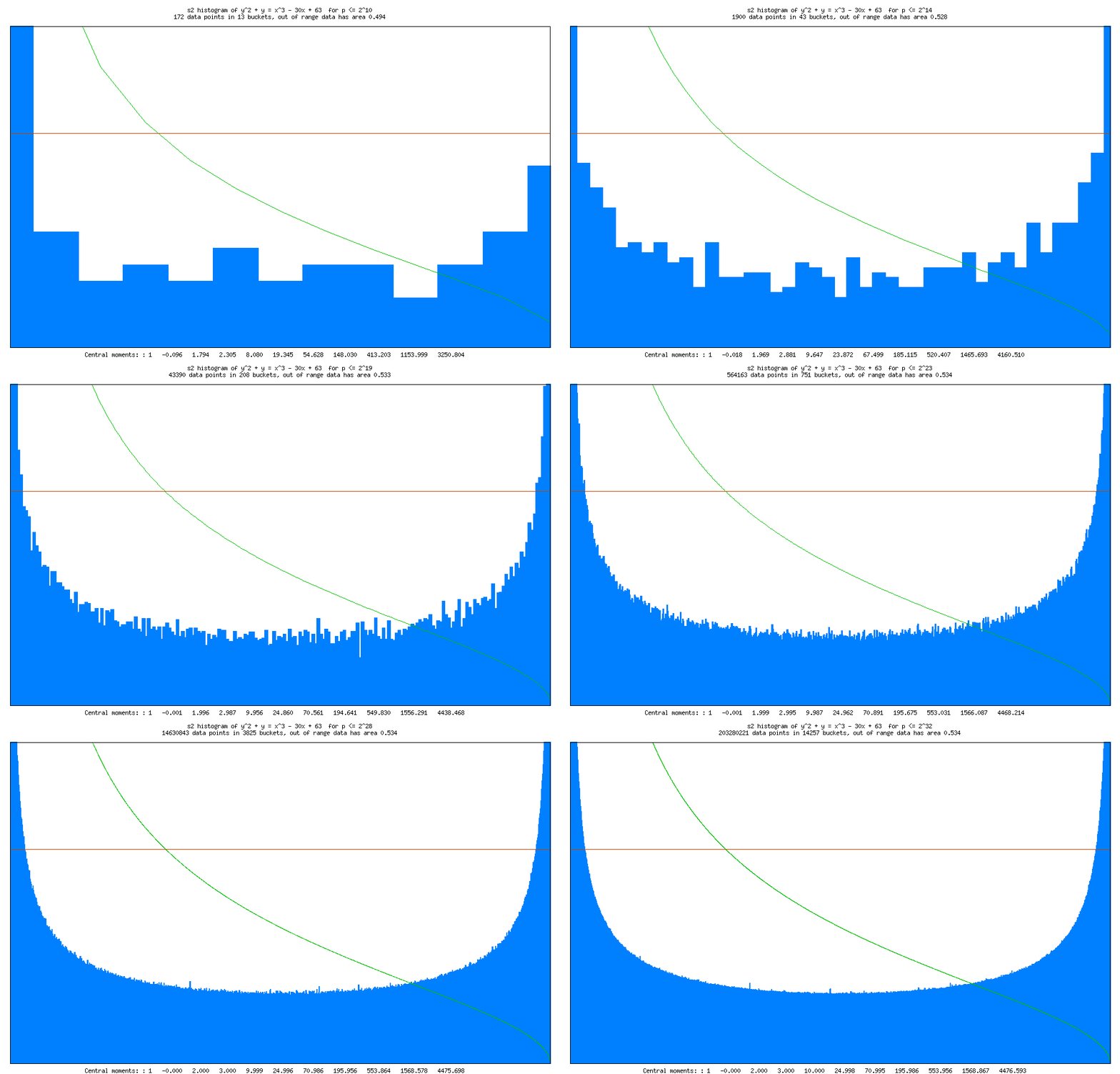 s3:
s3:  ; Discriminant -3
 s2:
s2: 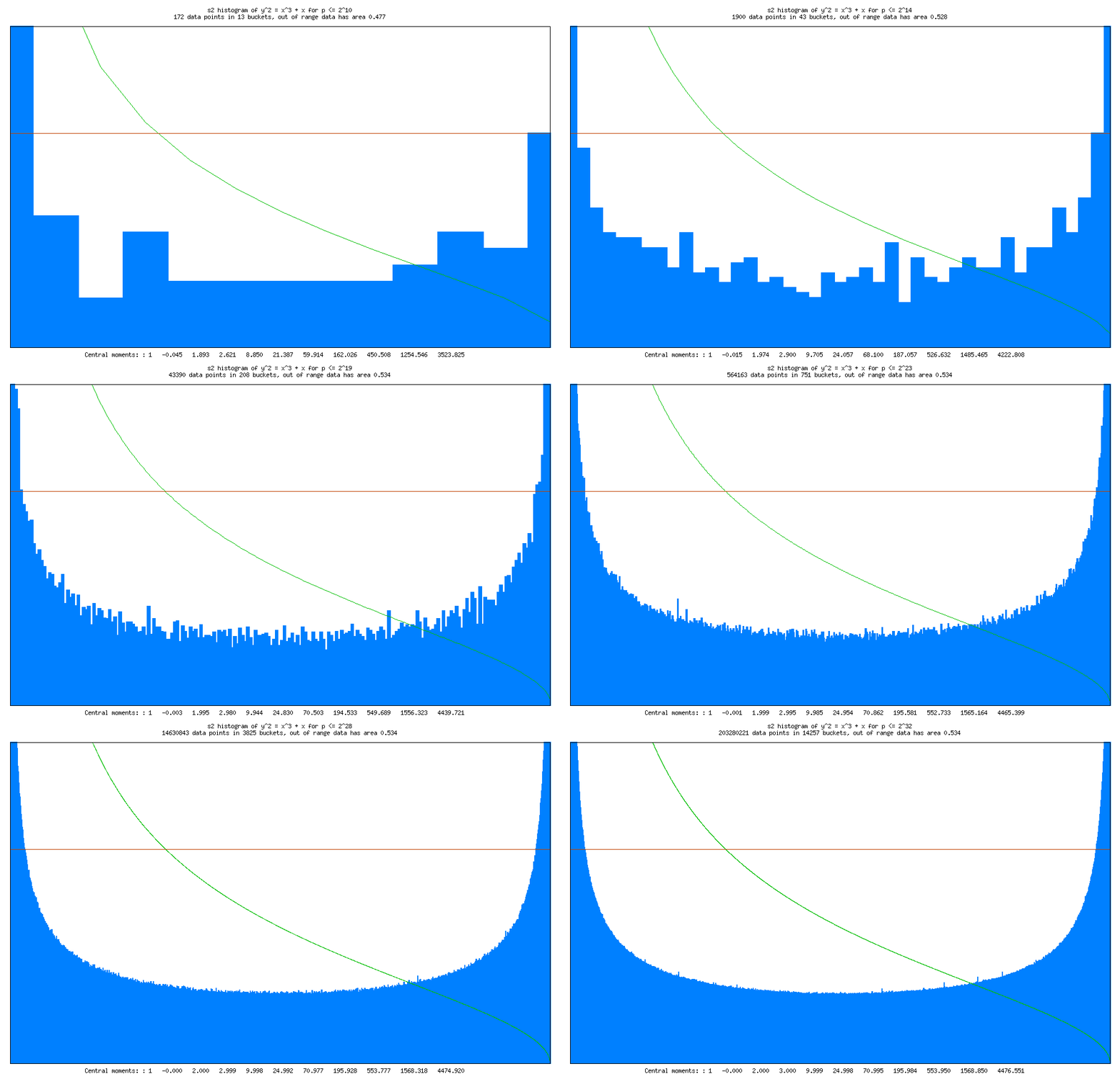 s3:
s3: 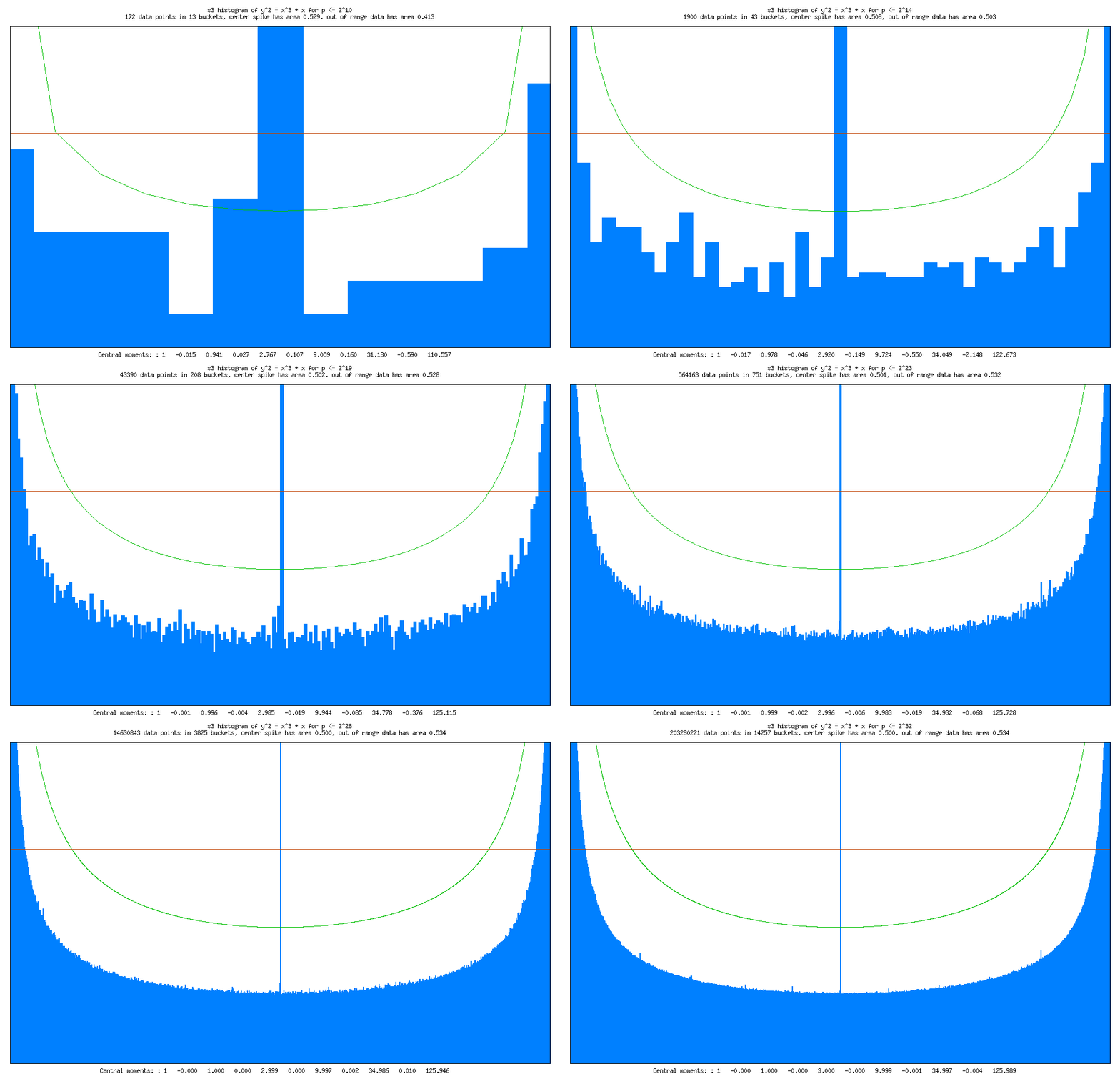 Discriminant -4
 s2:
s2: 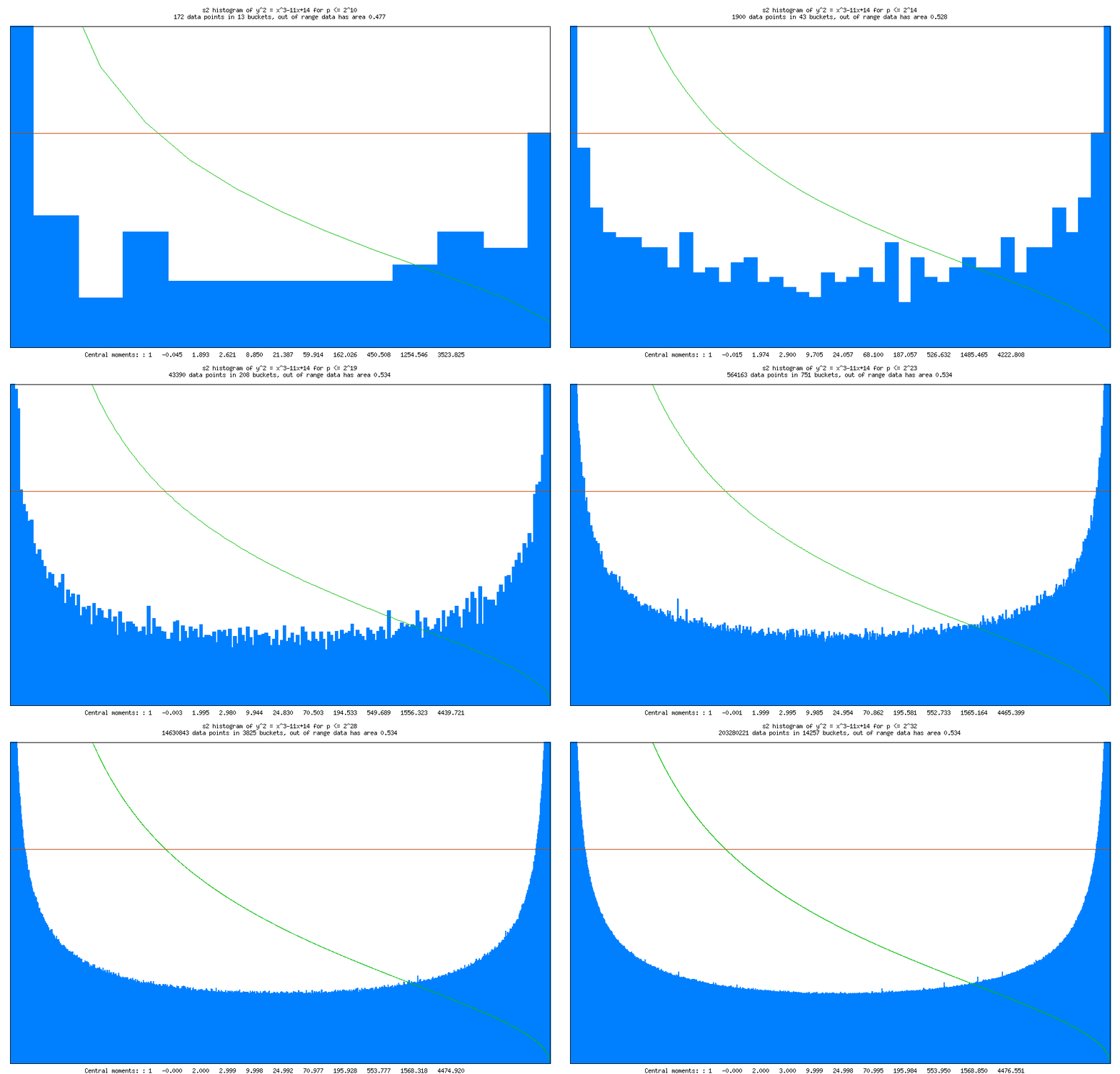 s3:
s3: 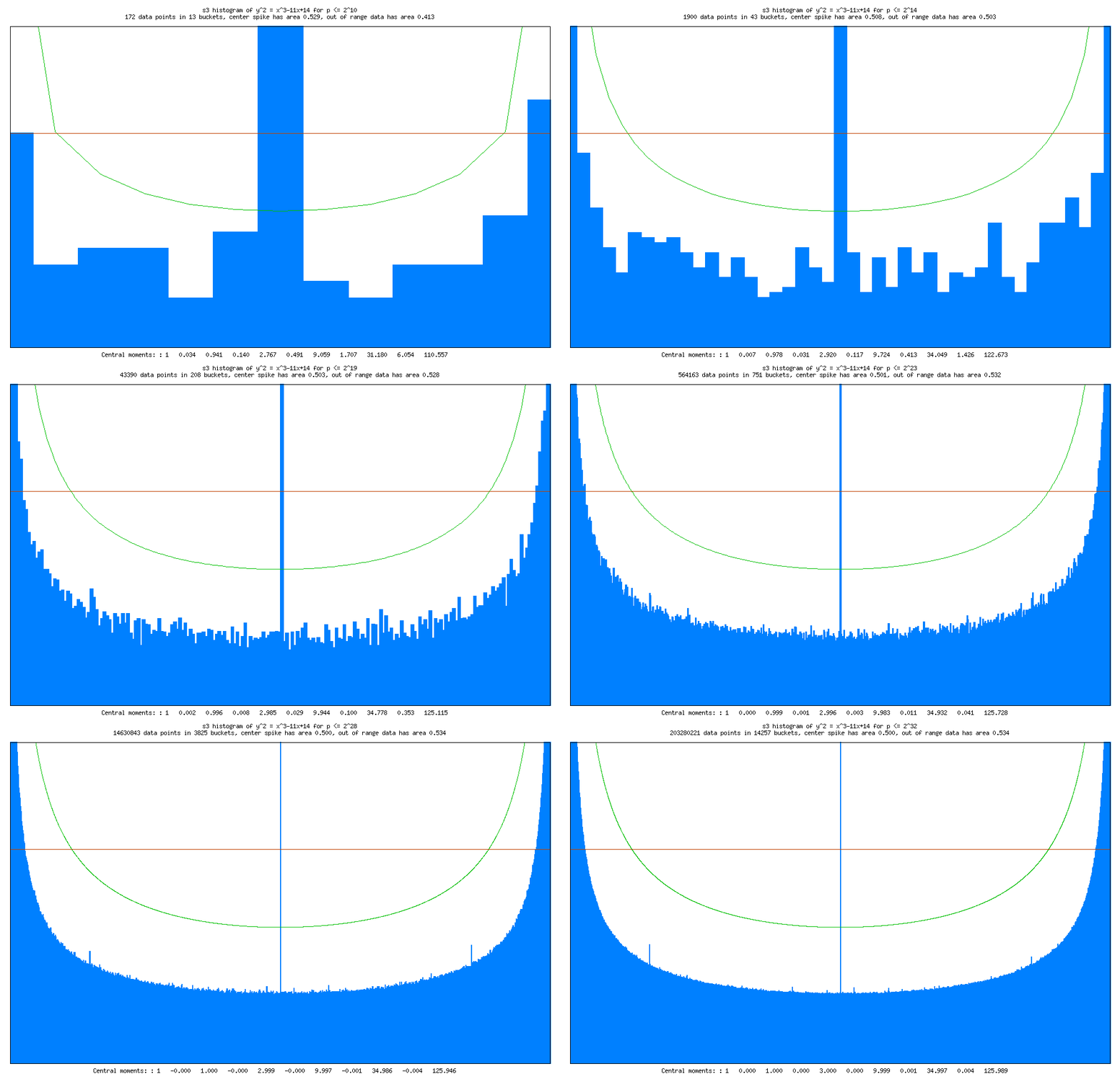 Discriminant -4
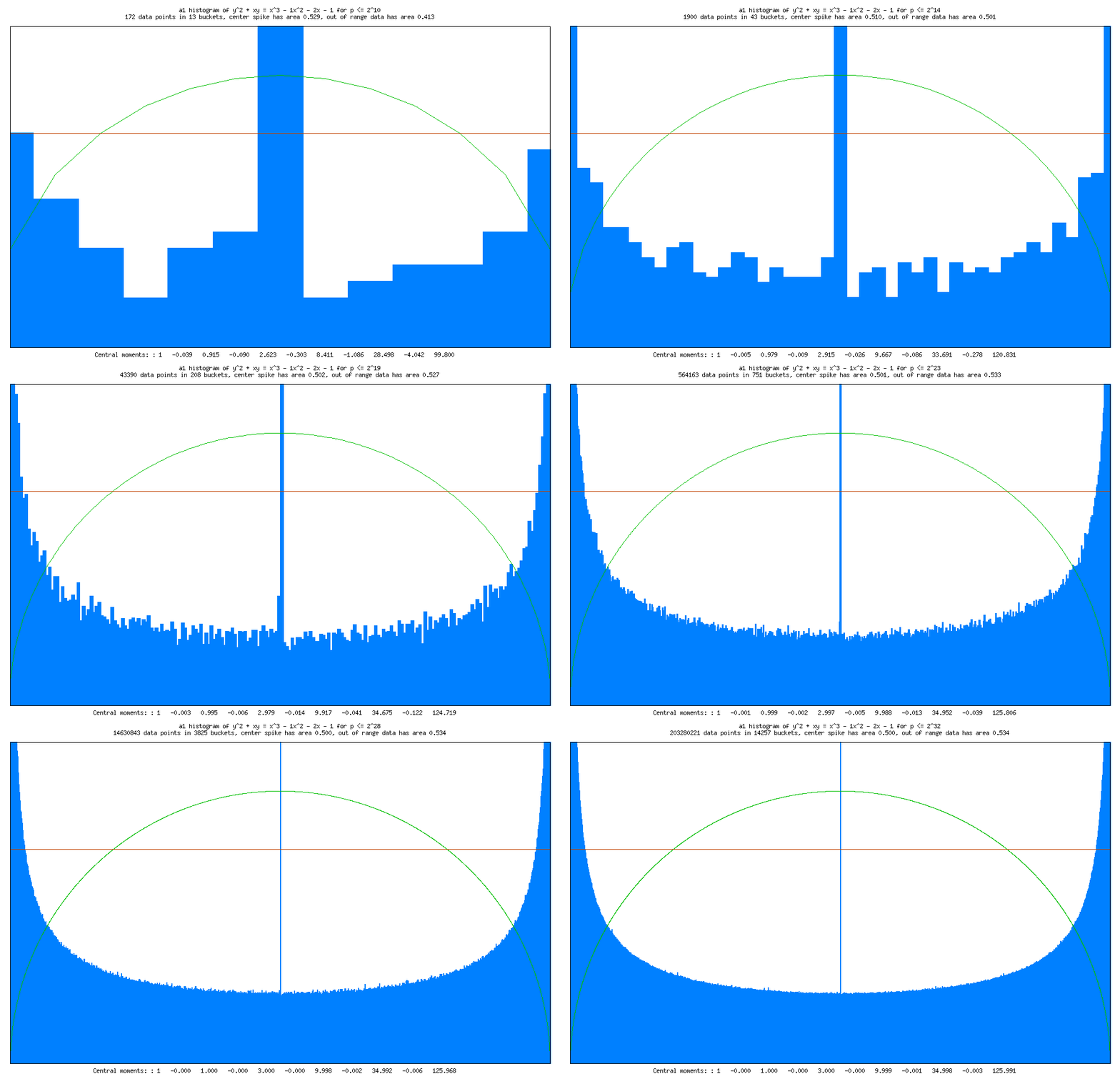 s2:
s2: 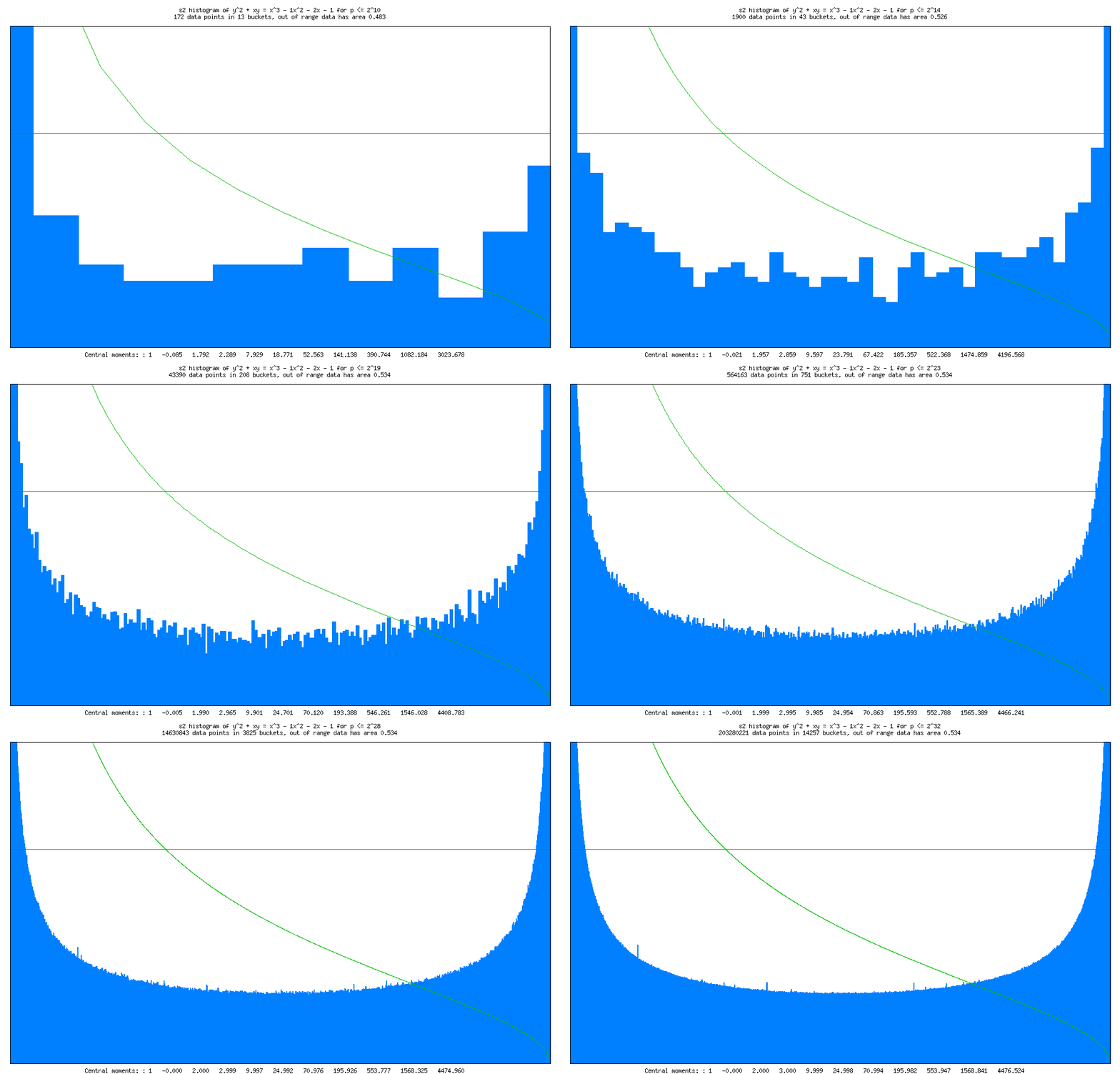 s3:
s3: 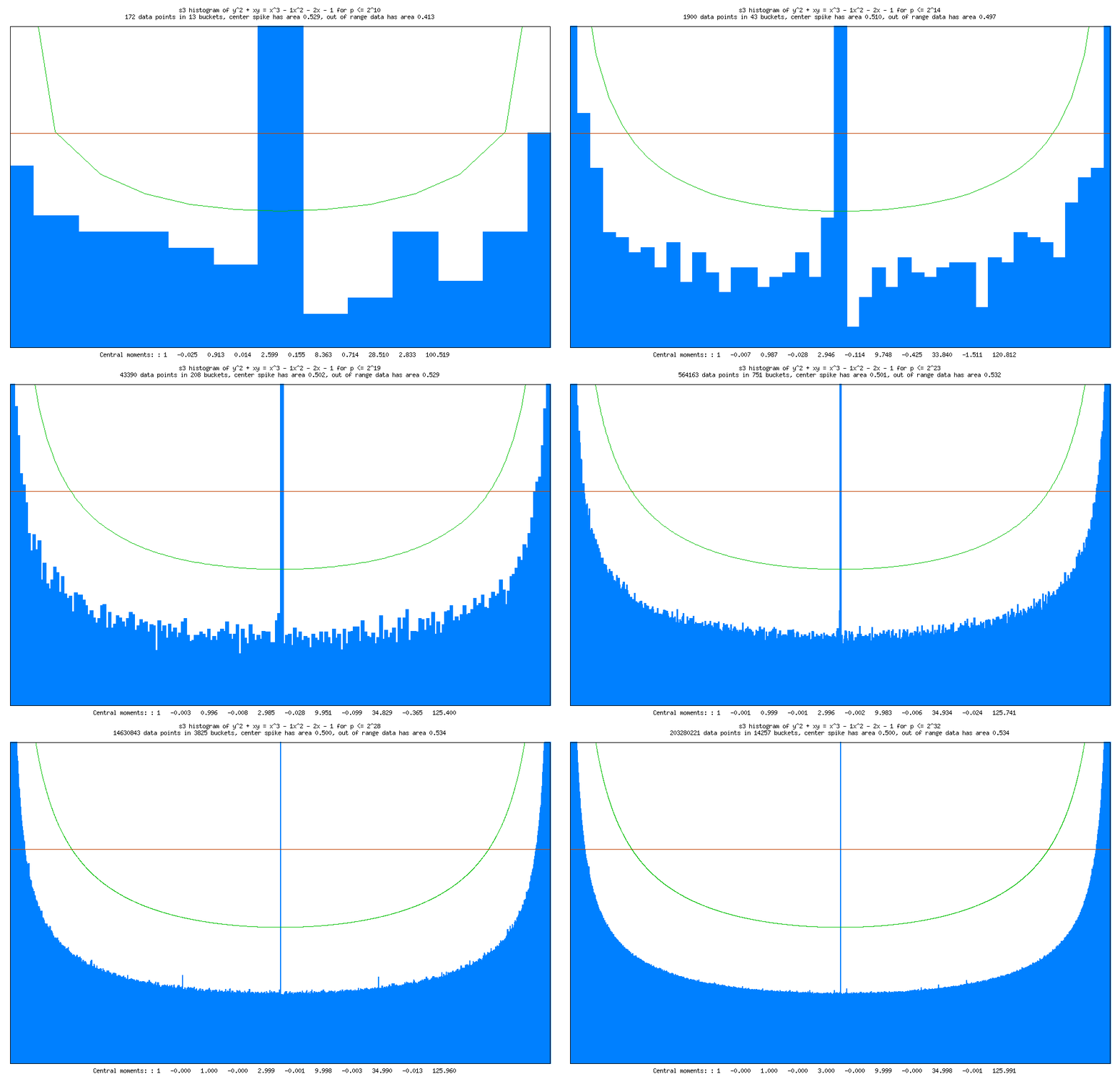 Discriminant -7
 s2:
s2: 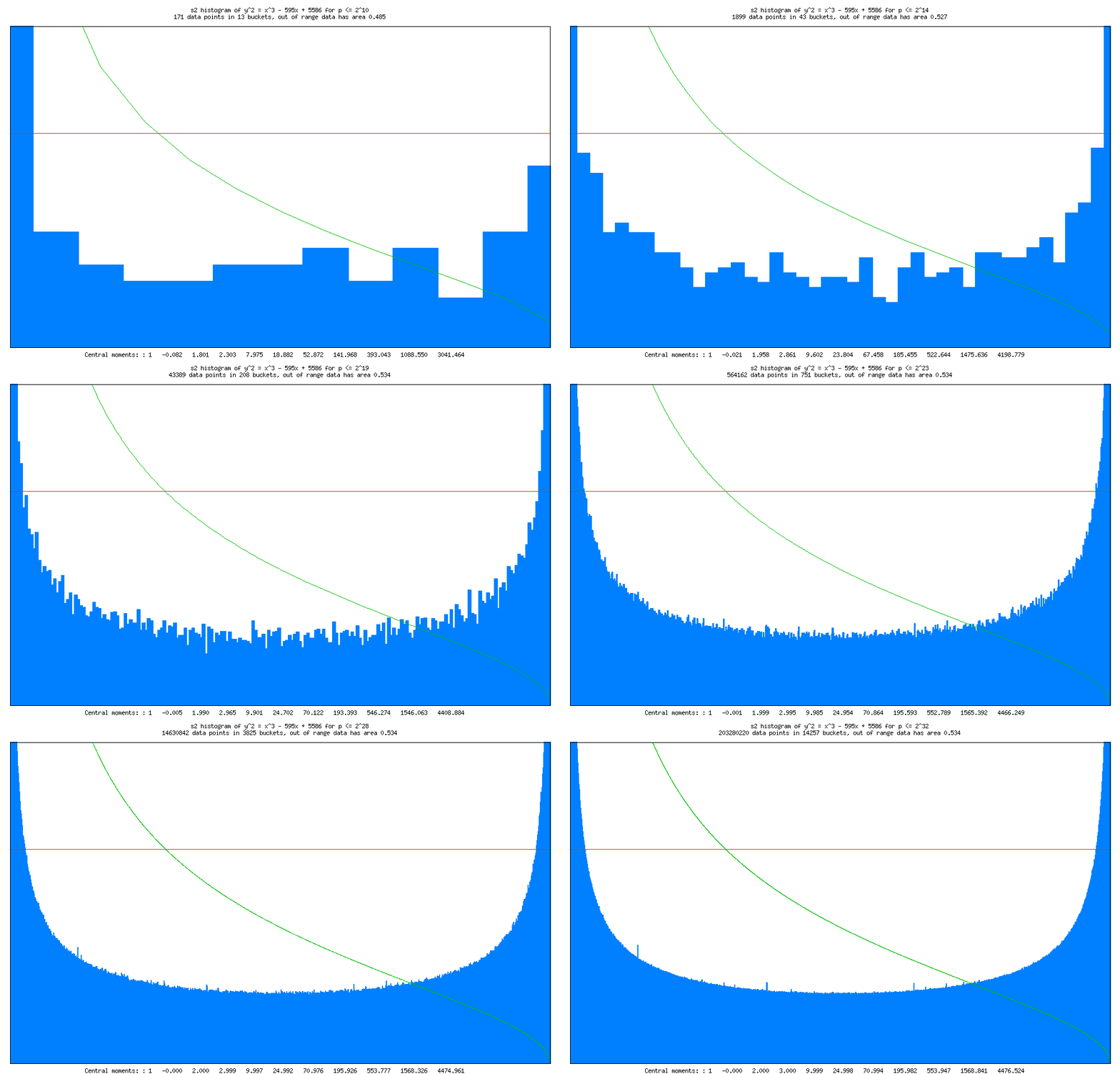 s3:
s3: 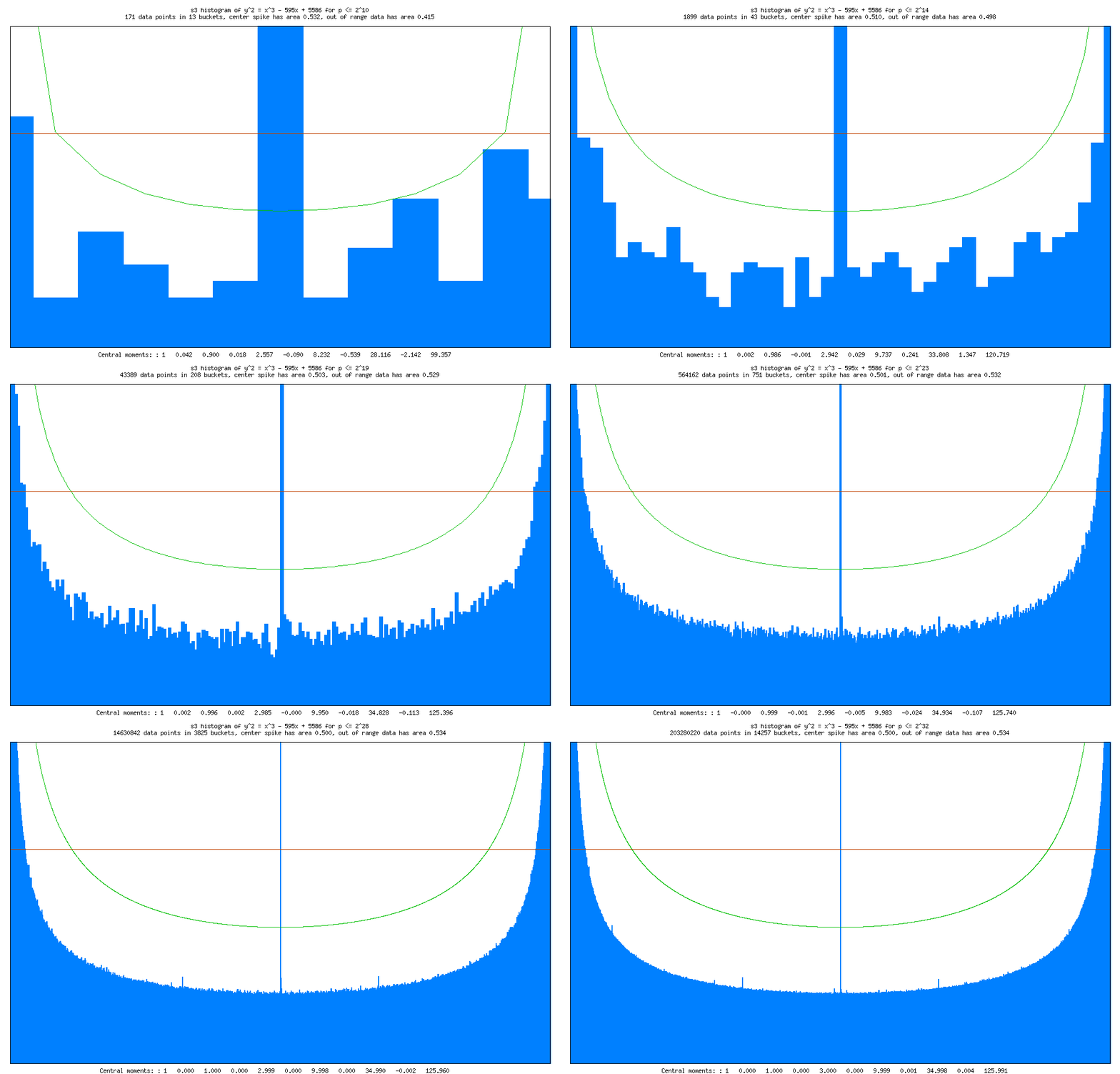 Discriminant -7
 s2:
s2: 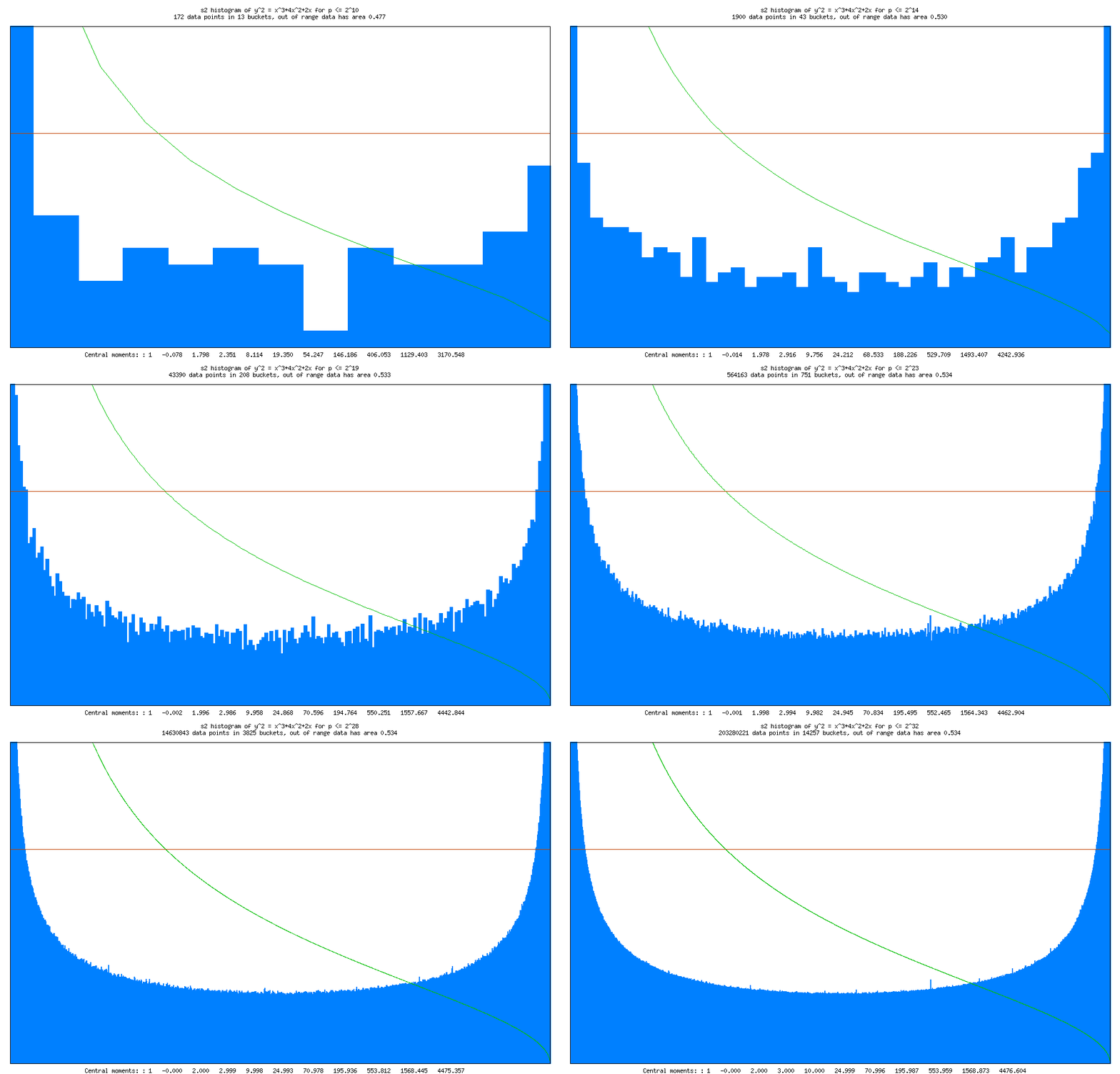 s3:
s3: 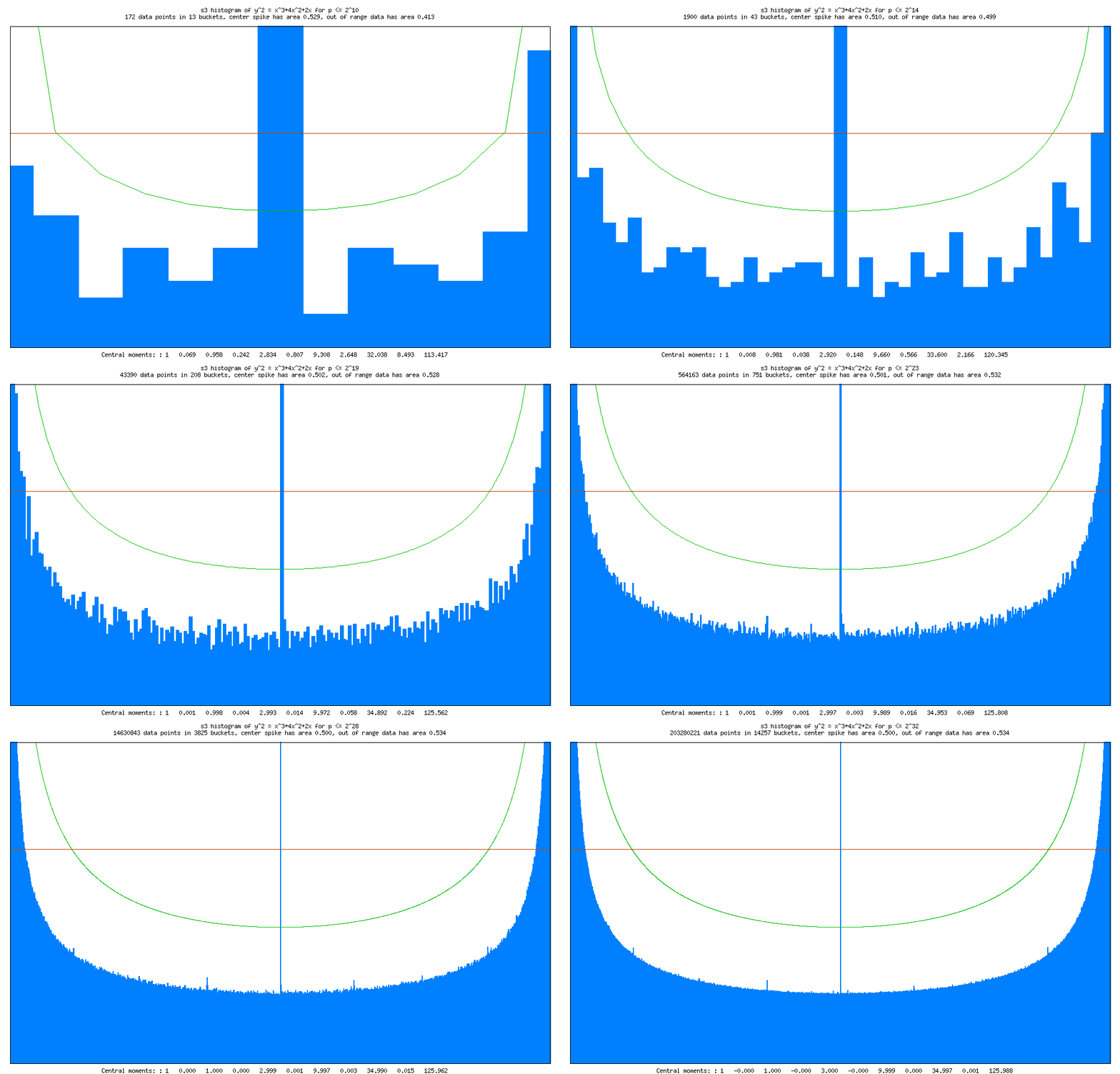 Discriminant -8
 s2:
s2: 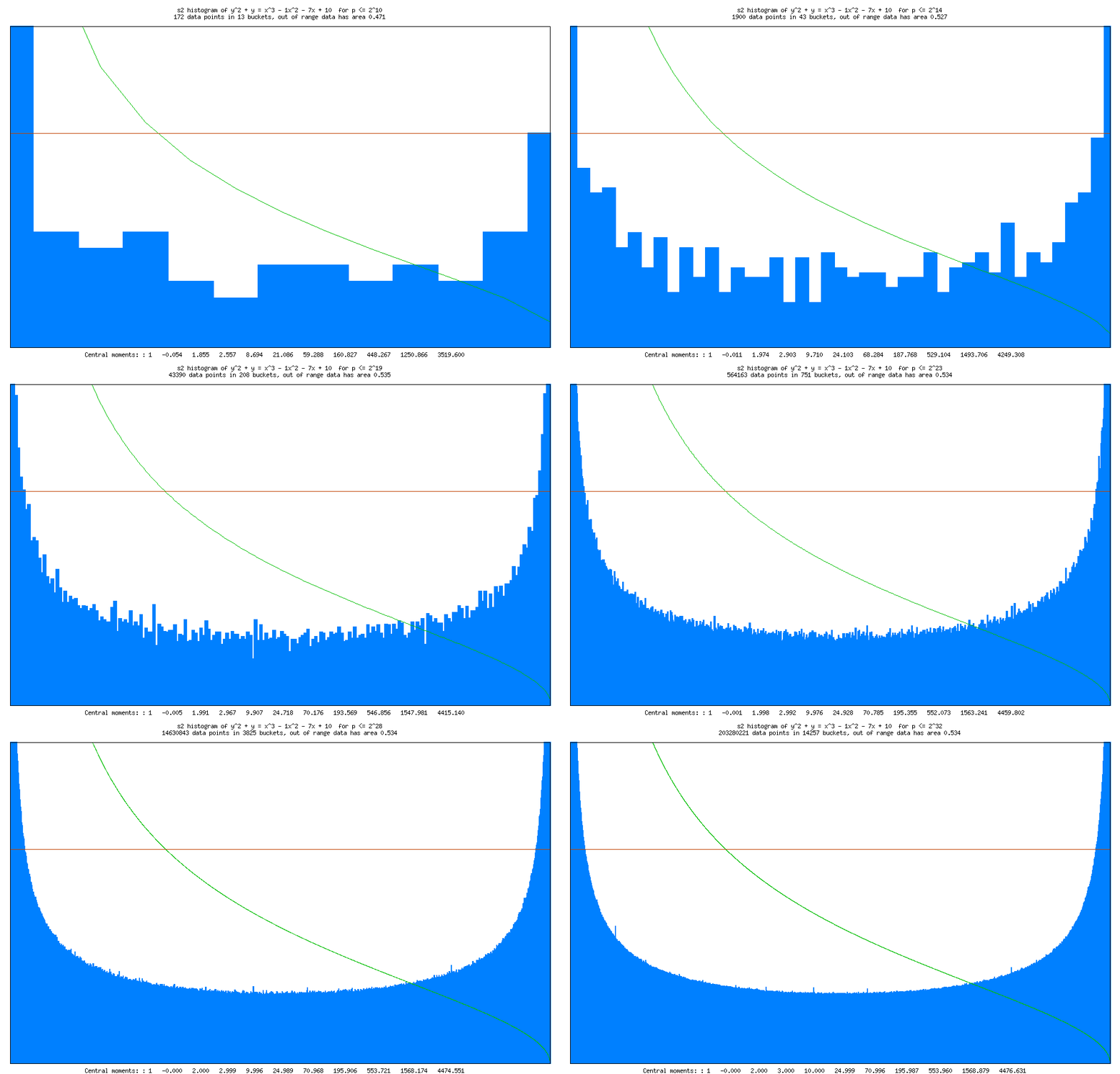 s3:
s3: 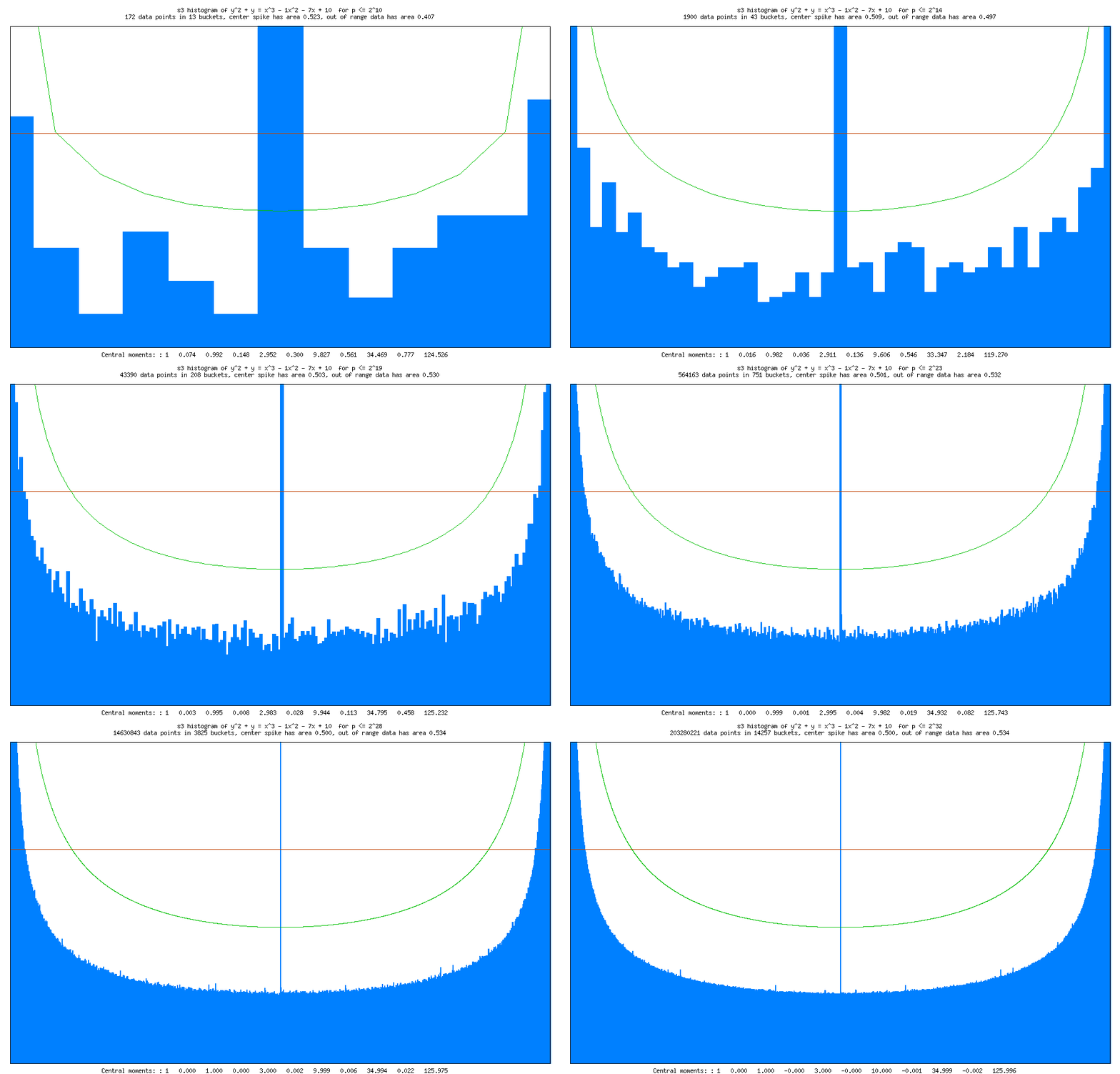 Discriminant -11
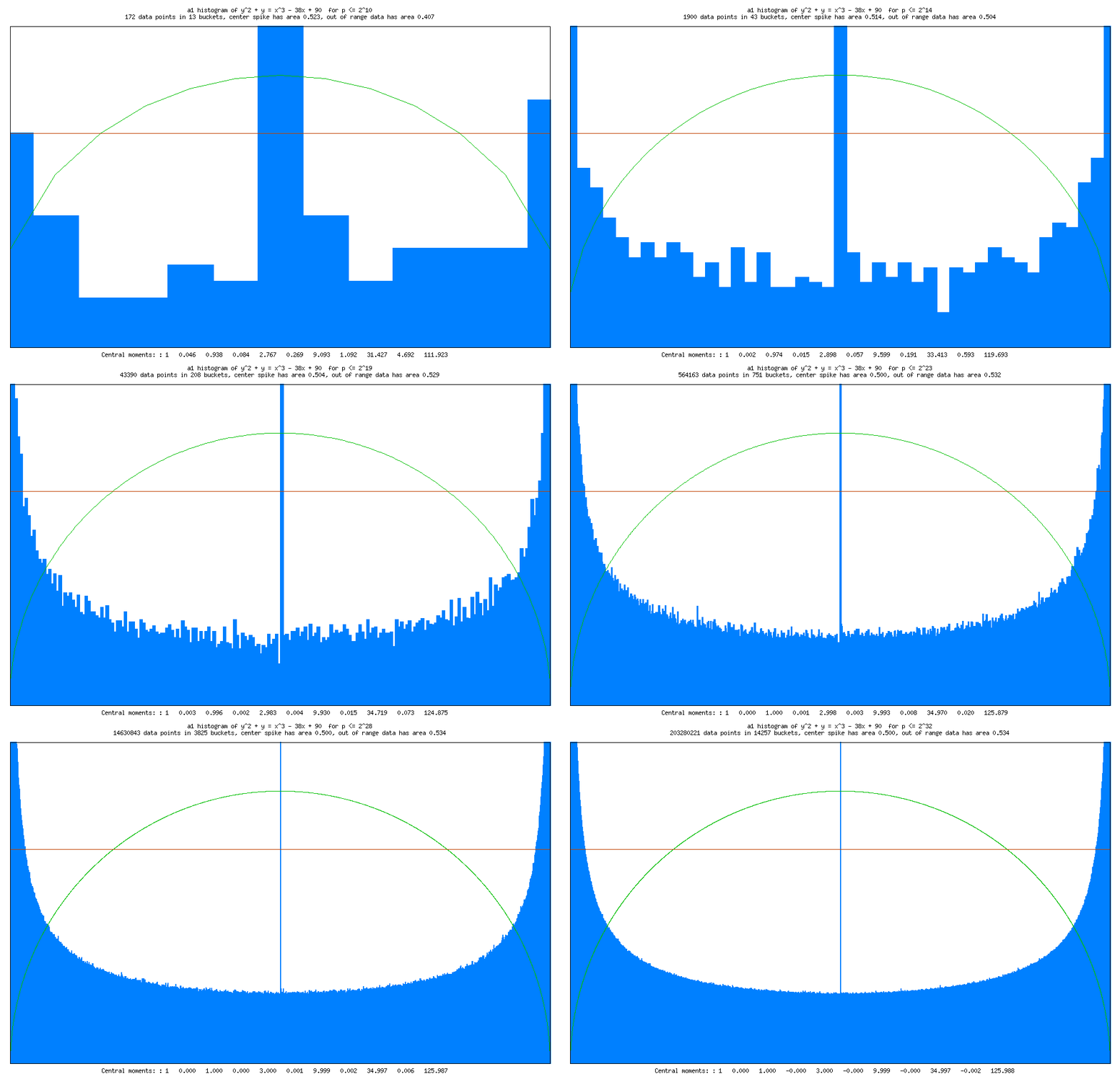 s2:
s2: 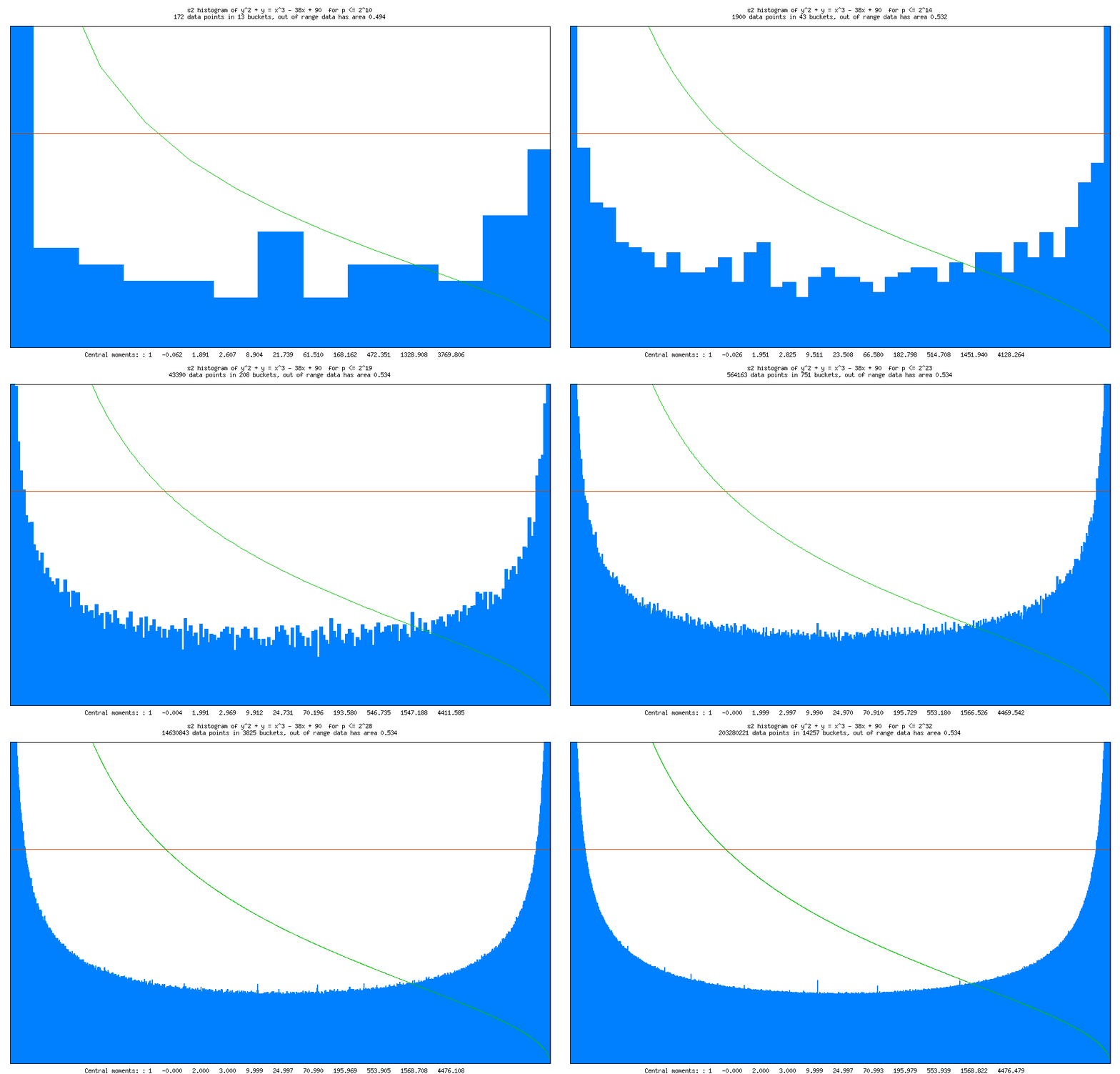 s3:
s3: 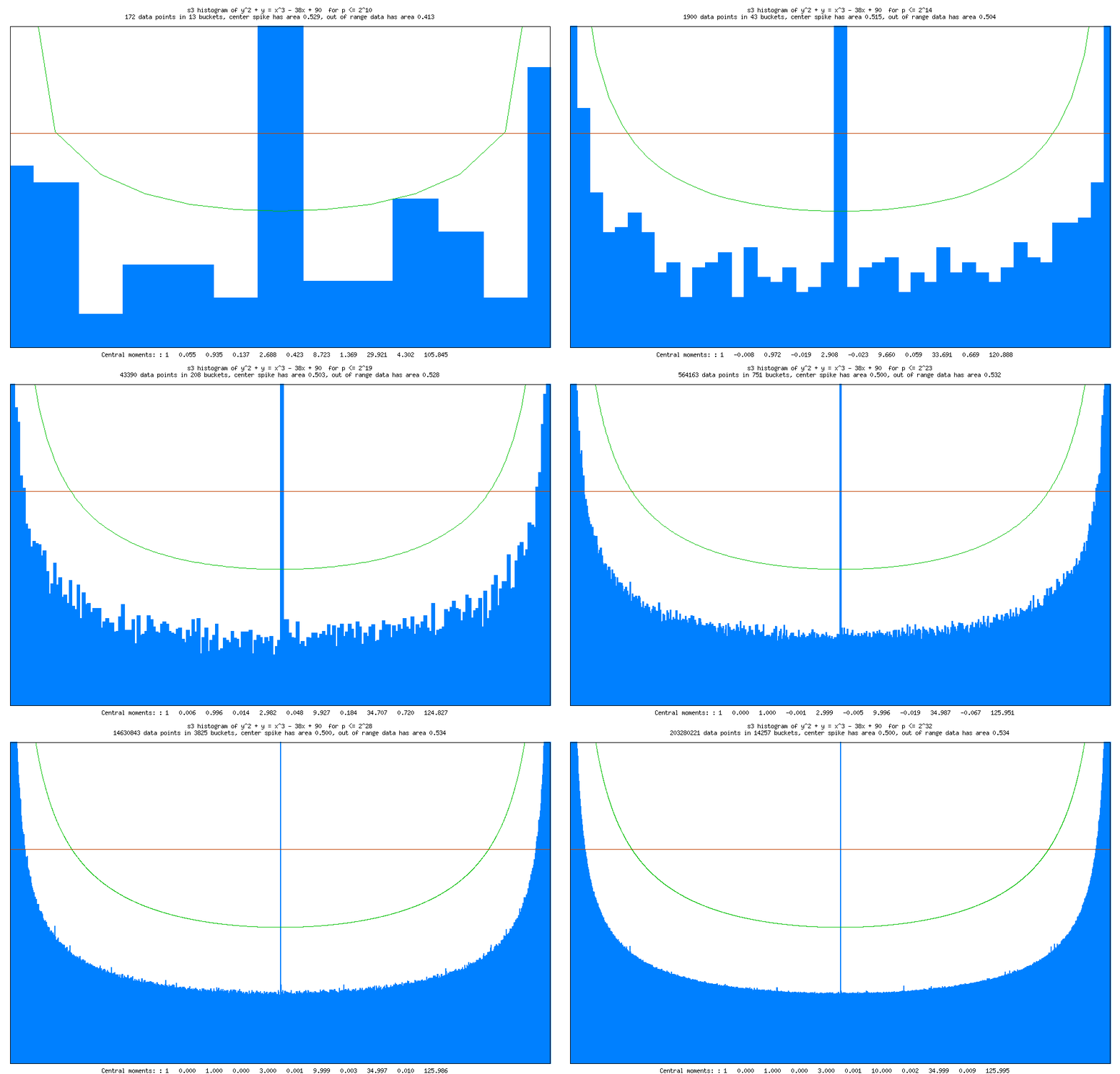 Discriminant -19
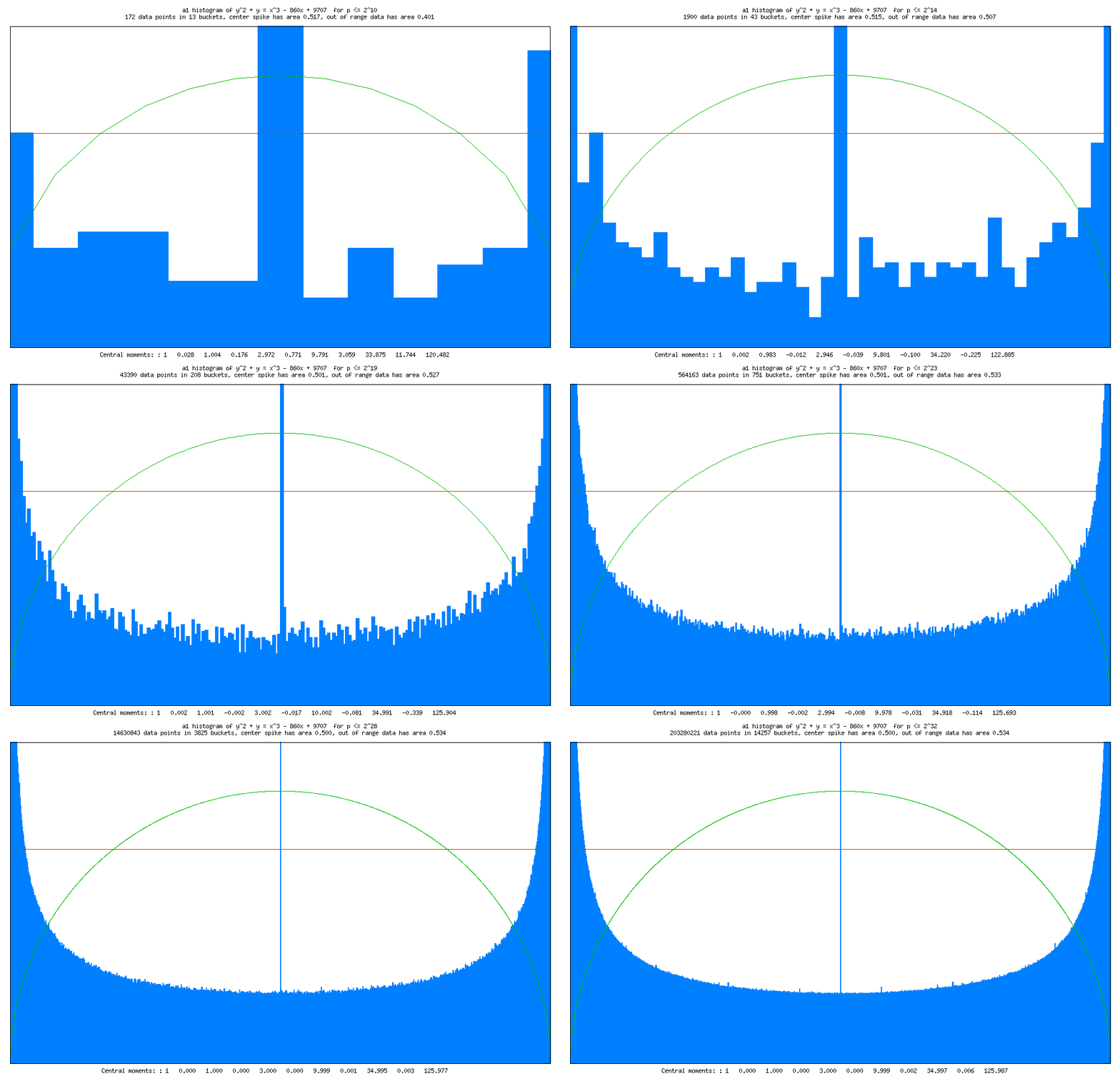 s2:
s2: 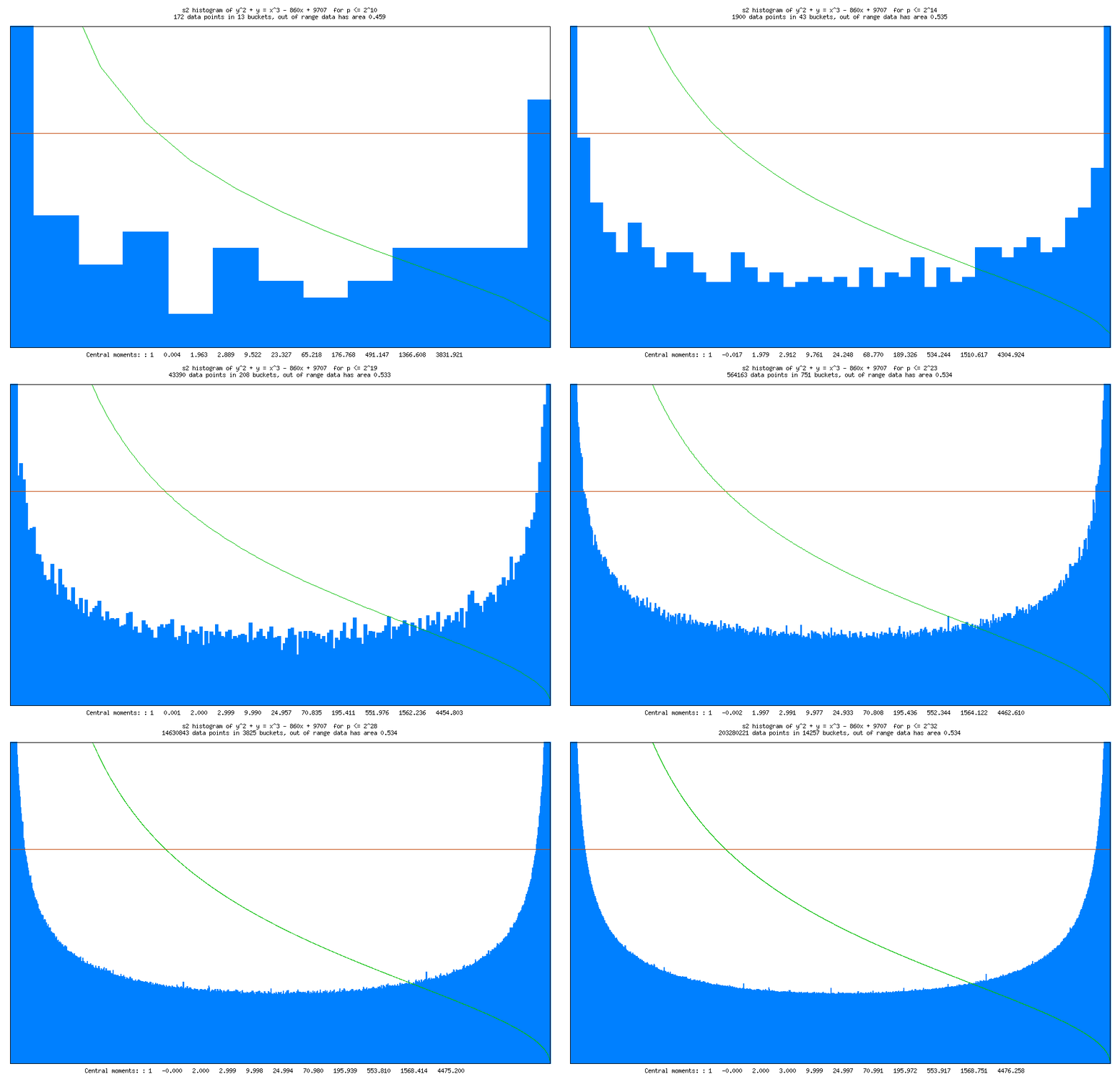 s3:
s3: 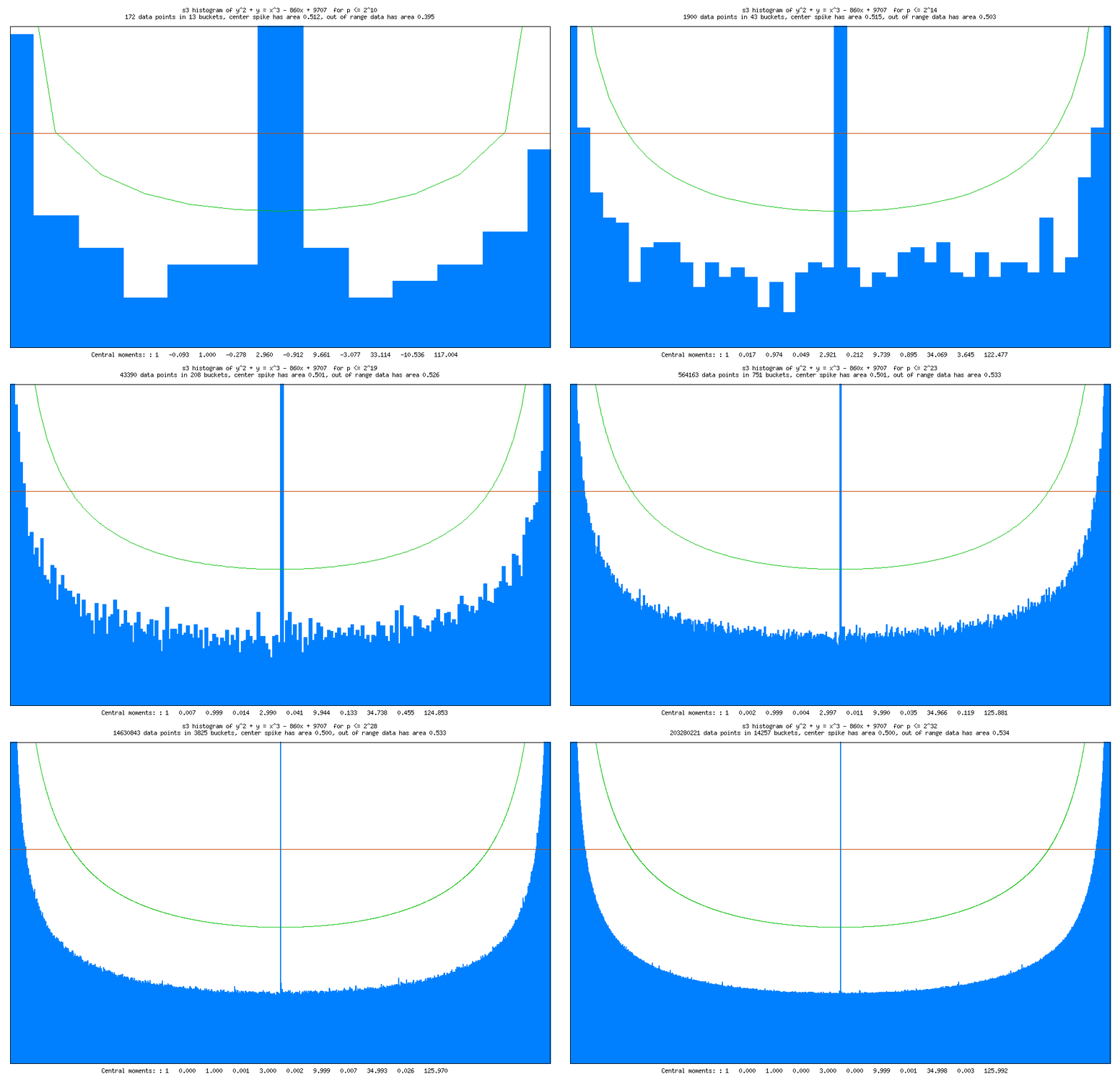 Discriminant -43
 s2:
s2: 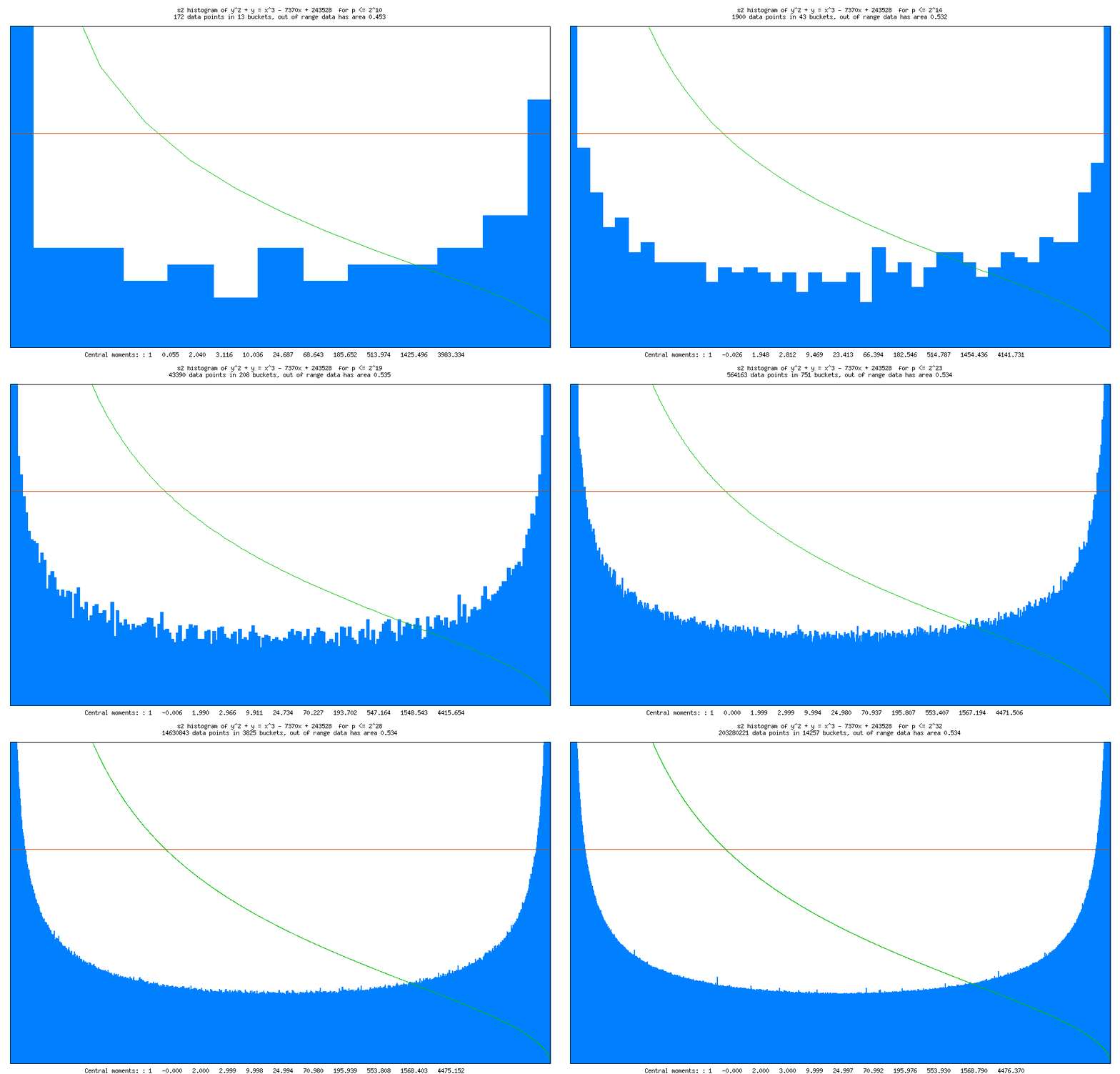 s3:
s3: 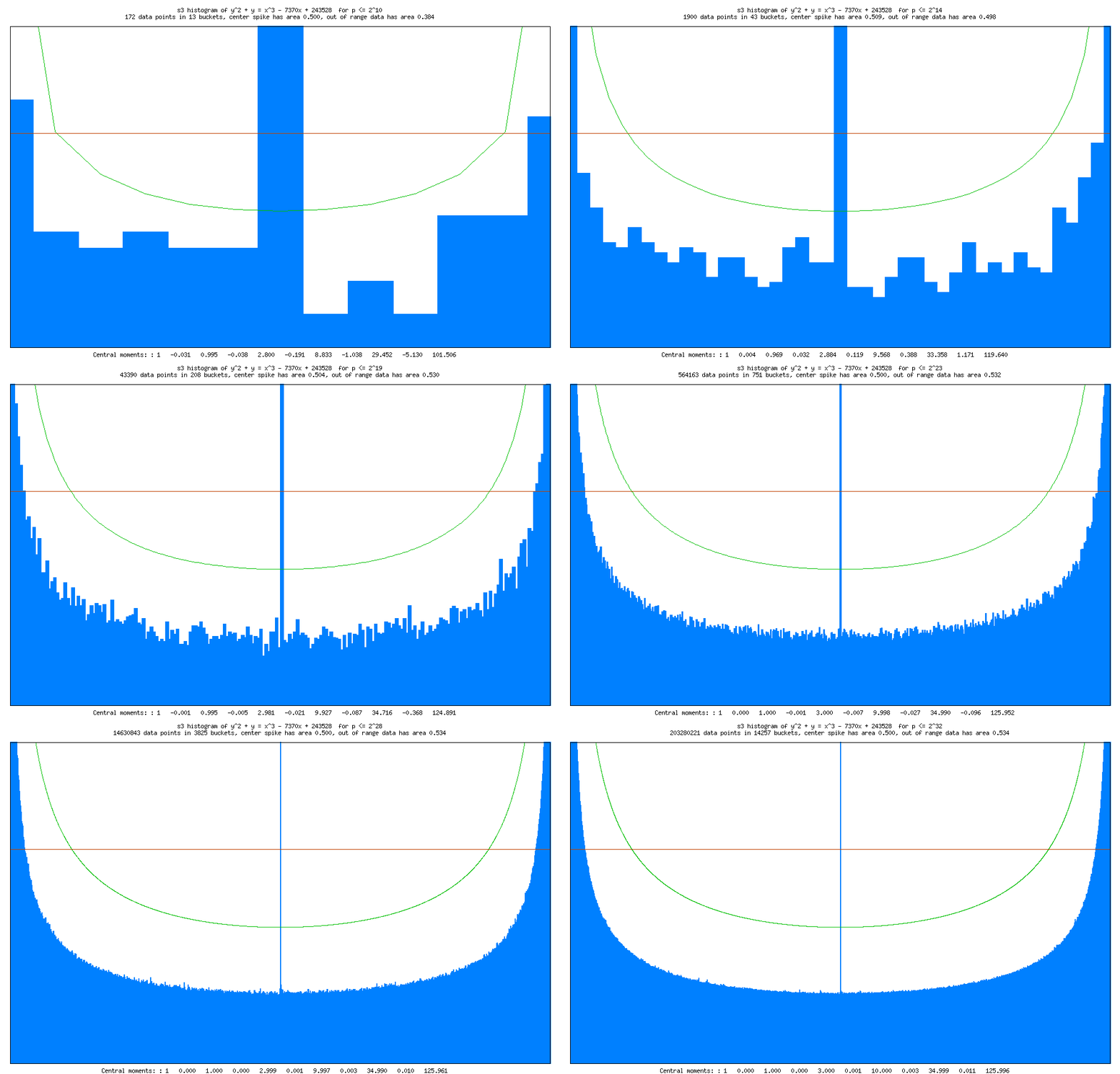 Discriminant -67
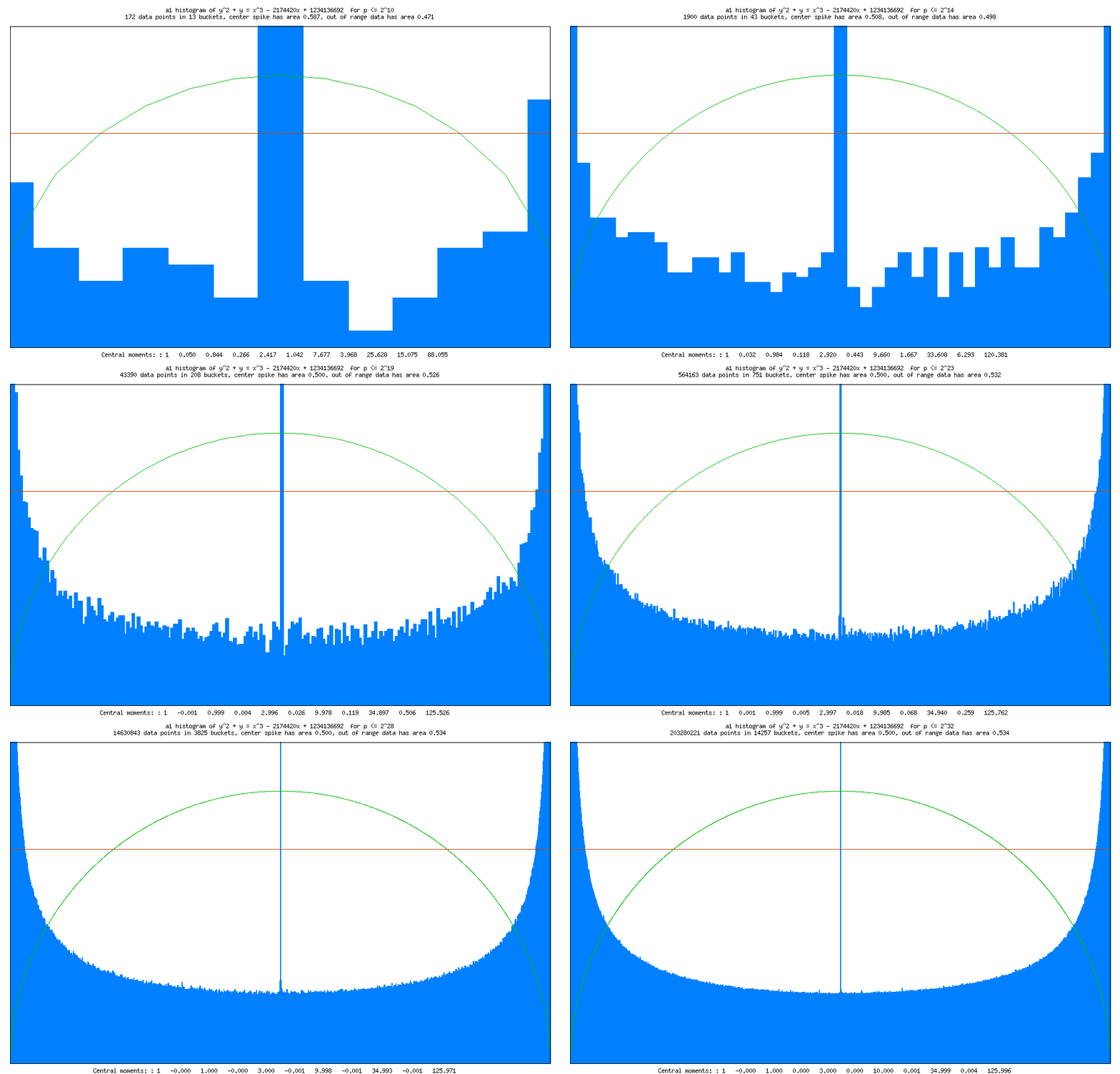 s2:
s2: 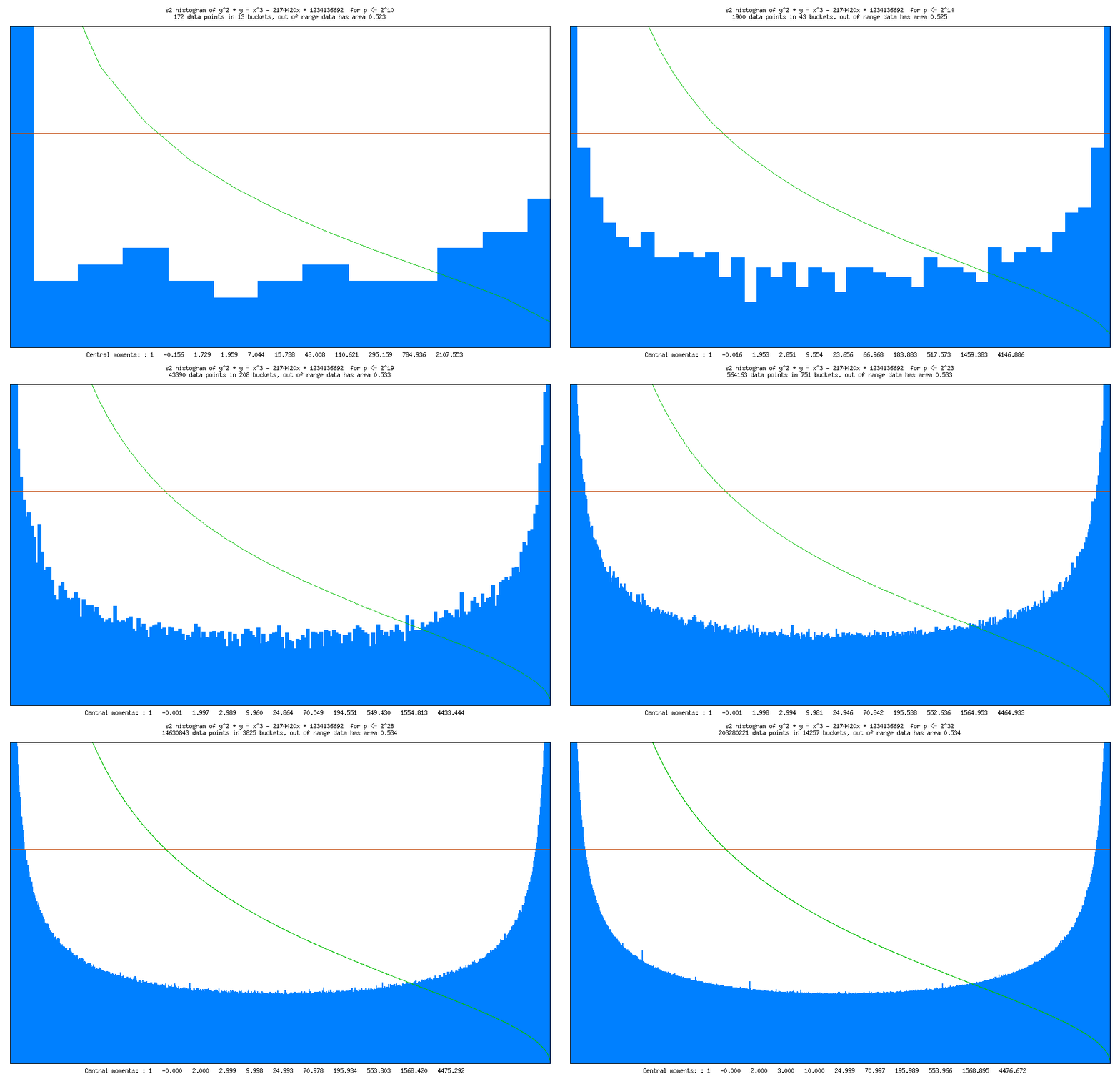 s3:
s3: 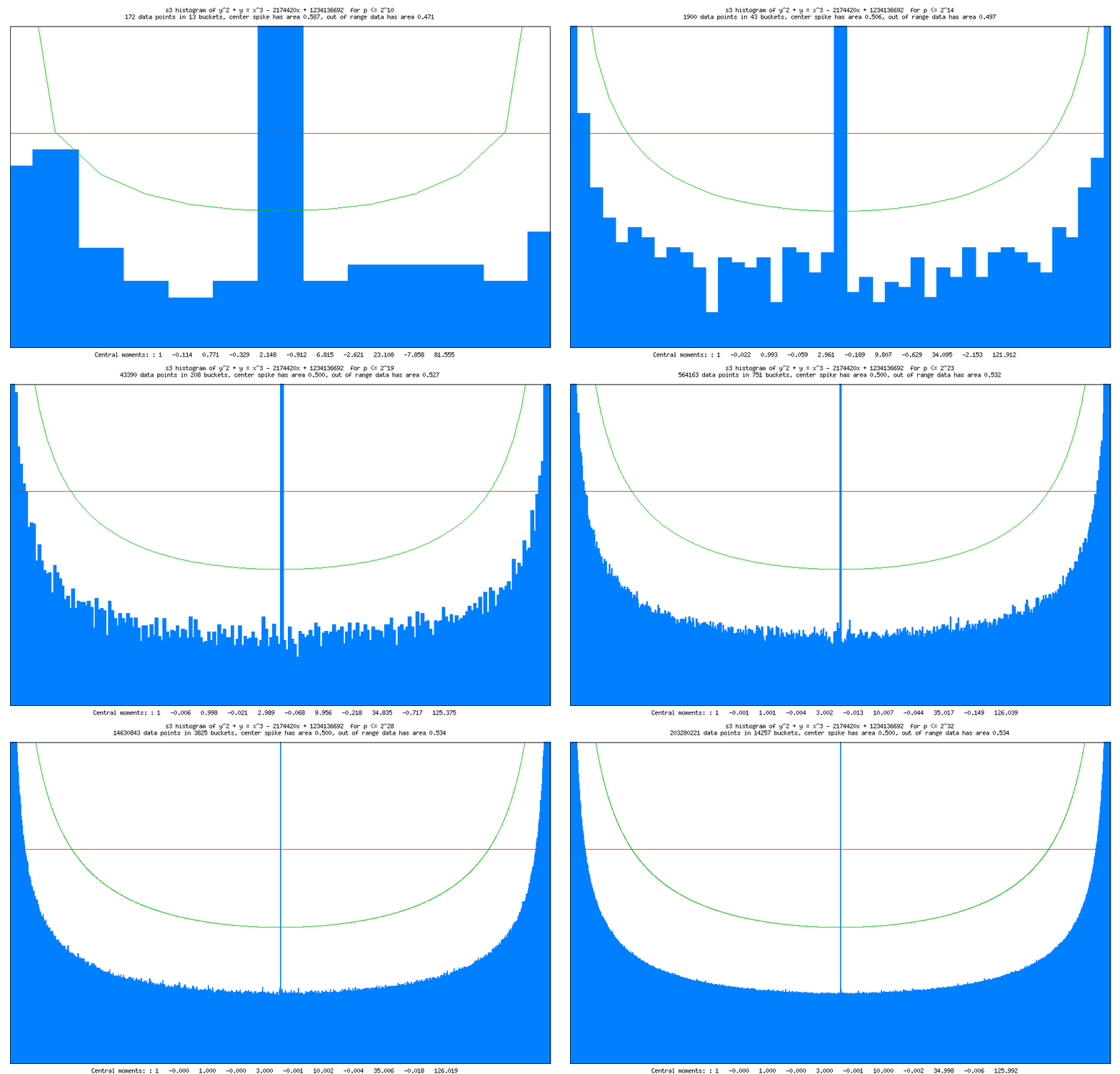 Discriminant -163