accessibility
Curves with typical L-polynomial distributions
Click on any of the thumbnails below to view the evolution of L-polynomial data when
we compute Lp(p-1/2T) for p ≤ N as N increases.
Genus 1
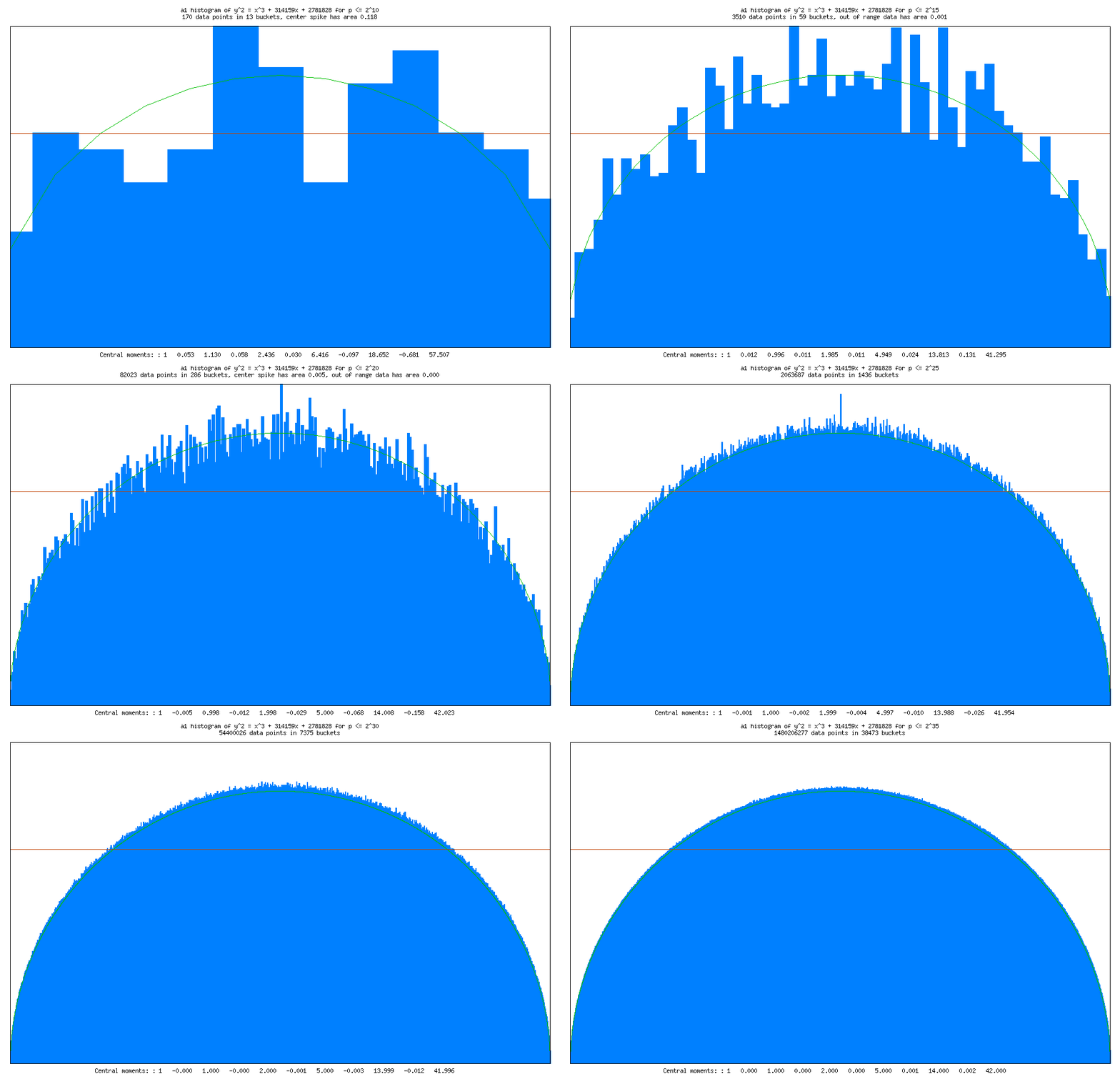
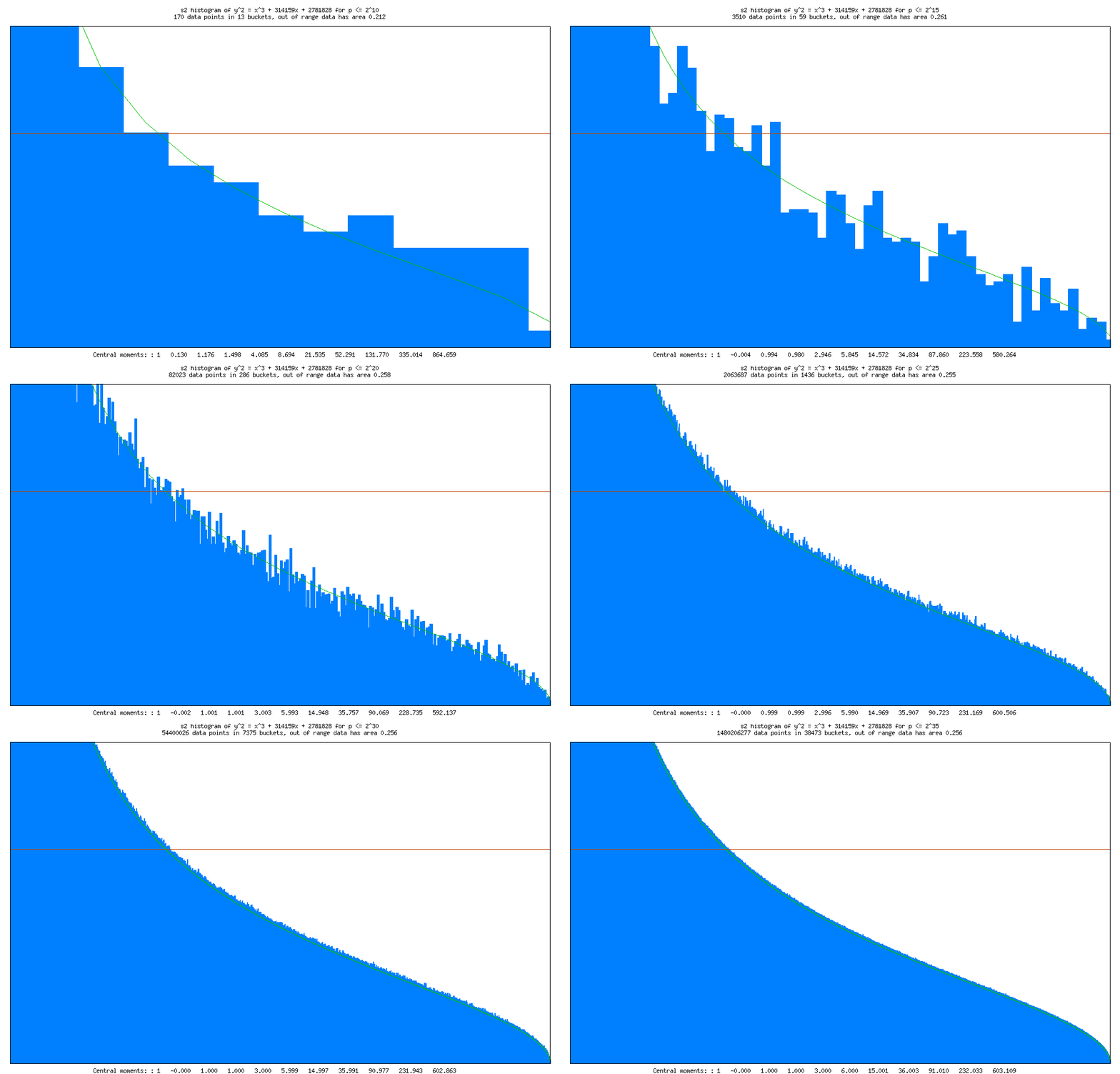
y2 = x3 + 314159x + 271828;
a1:  s2:
s2:  s3:
s3:  s4:
s4:  s5:
s5: 
Genus 2
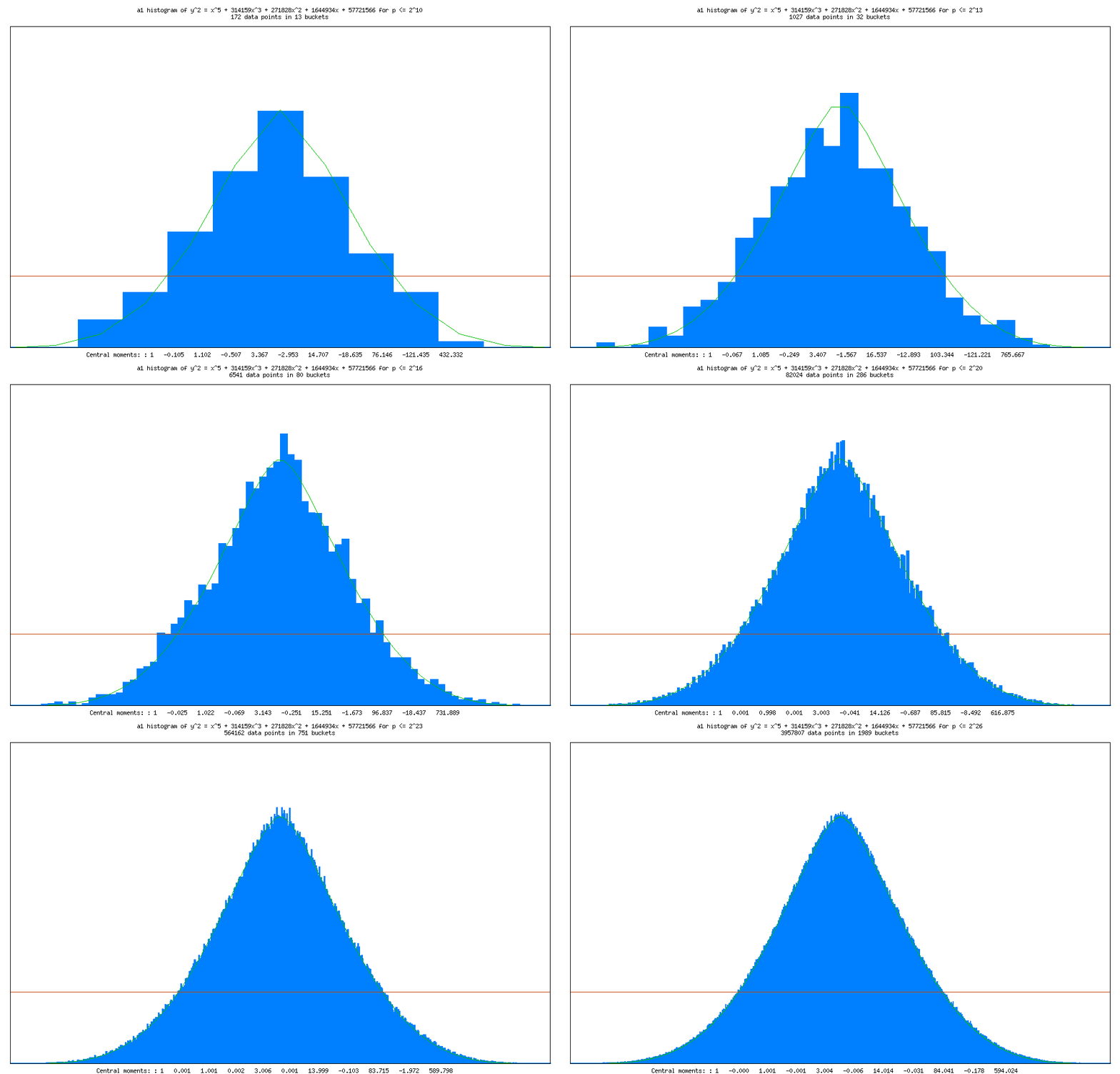
y2 = x5 + 314159x3 + 271828x2 + 1644934x + 57721566;
a1:  a2:
a2:  s2:
s2:  s3:
s3:  s4:
s4:  s5:
s5:  s6:
s6:  s7:
s7: 
Genus 3
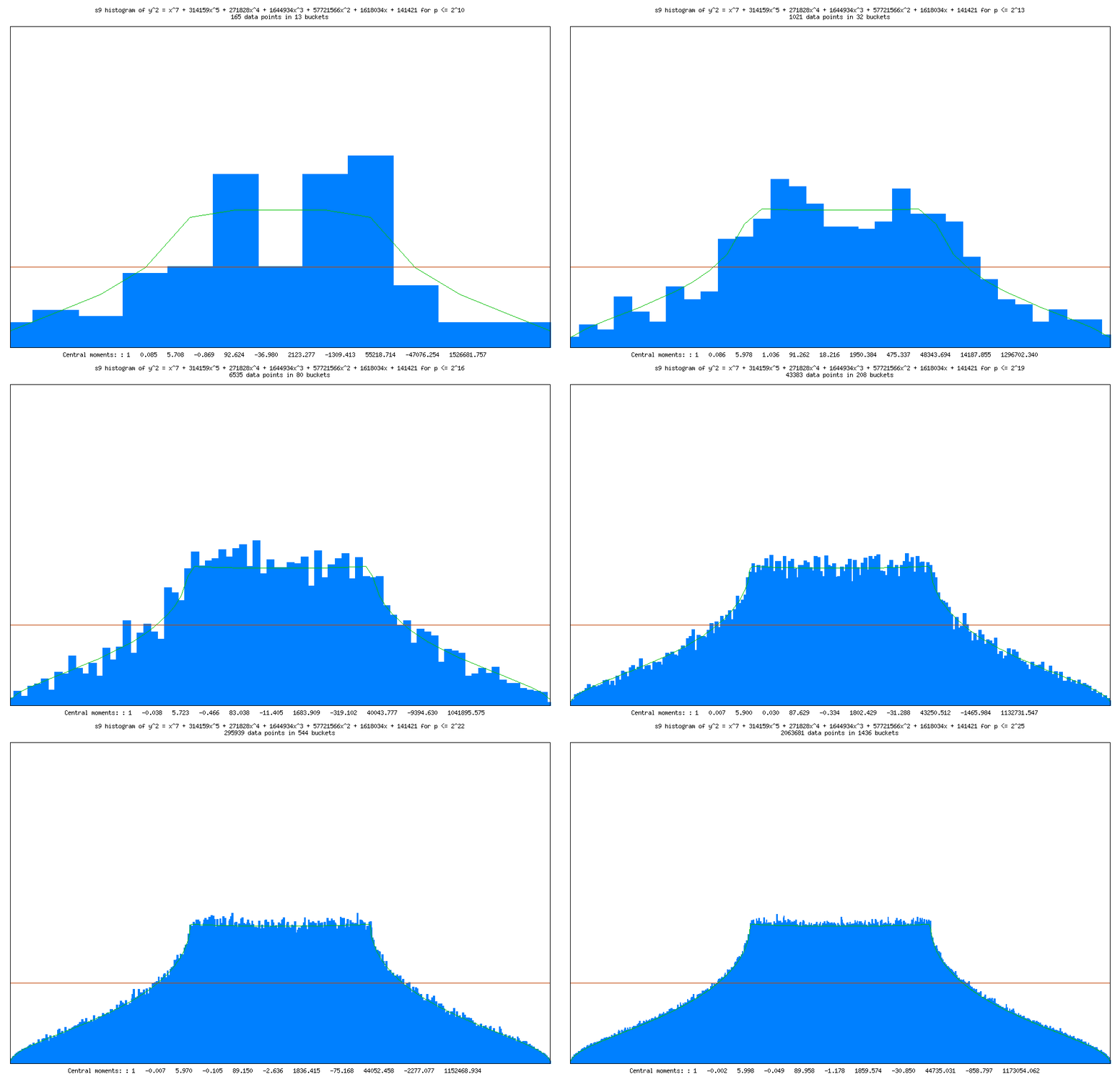
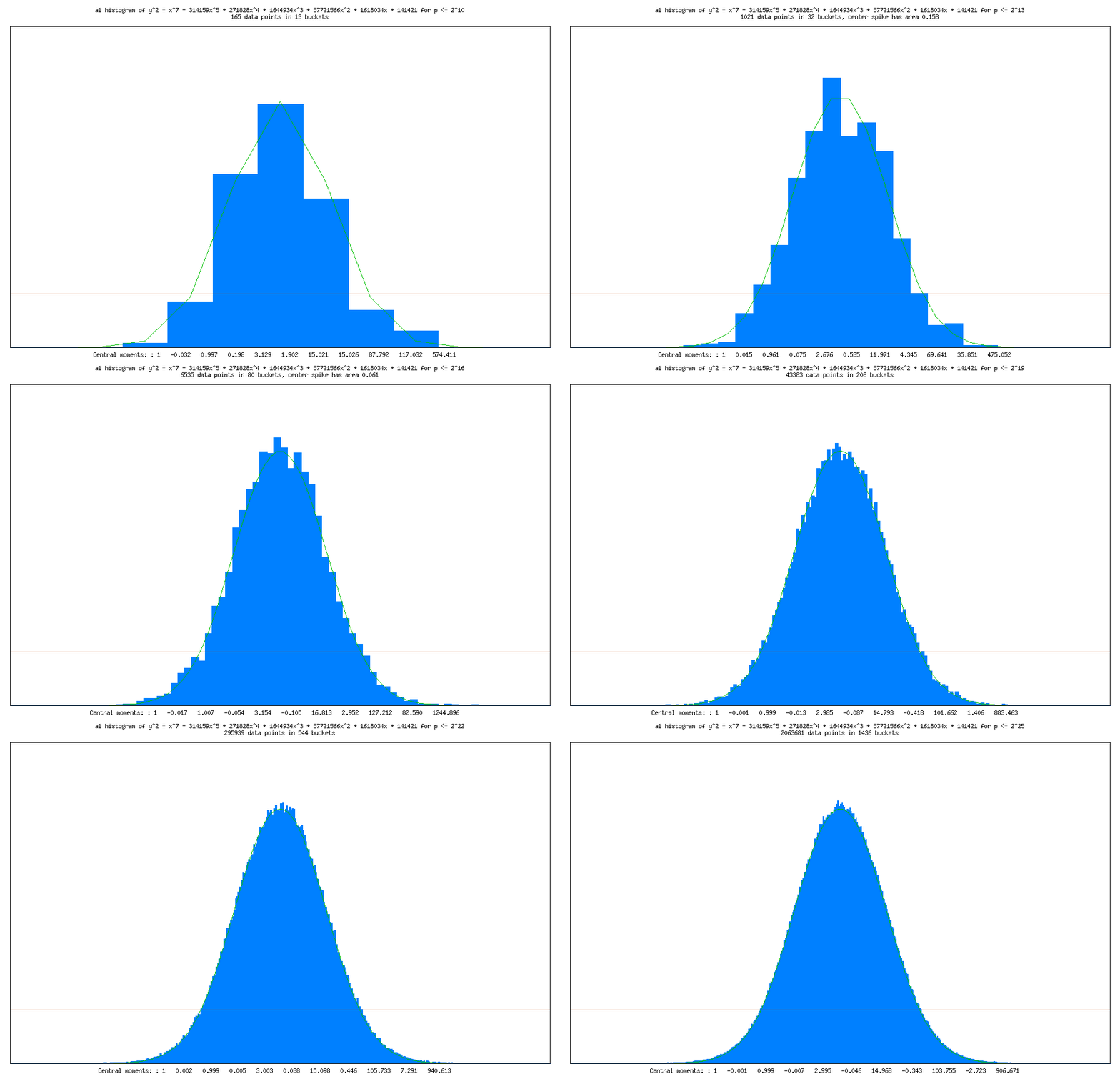
y2 = x7 + 314159x5 + 271828x4 + 1644934x3 +57721566x2 +1618034x + 141421;
a1:  a2:
a2:  a3:
a3:  s2:
s2:  s3:
s3:  s4:
s4:  s5:
s5:  s6:
s6:  s7:
s7:  s8:
s8:  s9:
s9: 
The value an is the coefficient of Tn
in Lp(p-1/2T), and the value sn is the sum of the nth powers of the roots. In each graphic the green
curve shows the distribution predicted by the Haar measure on USp(2g) and the horizontal red line shows the height of the uniform distribution. Note that for a given genus g, the
distributions of the power sums sn appear identical for n > 2g, and, in fact, have the distribution given by independent uniformly distributed eigenvalue angles.
This is consistent with the random matrix model.
The examples above are typical, however there are exceptional cases....
 s3:
s3: 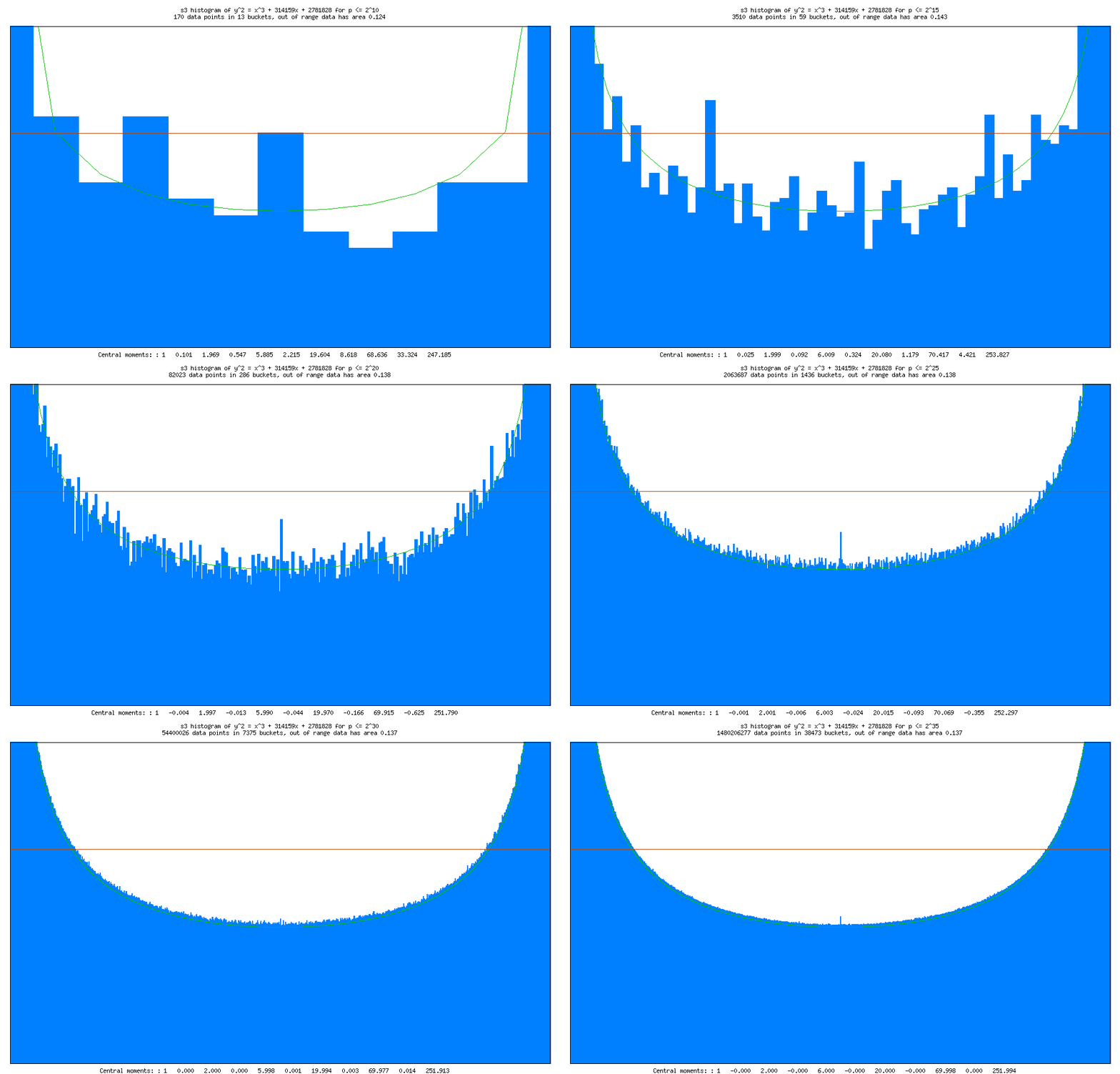 s4:
s4: 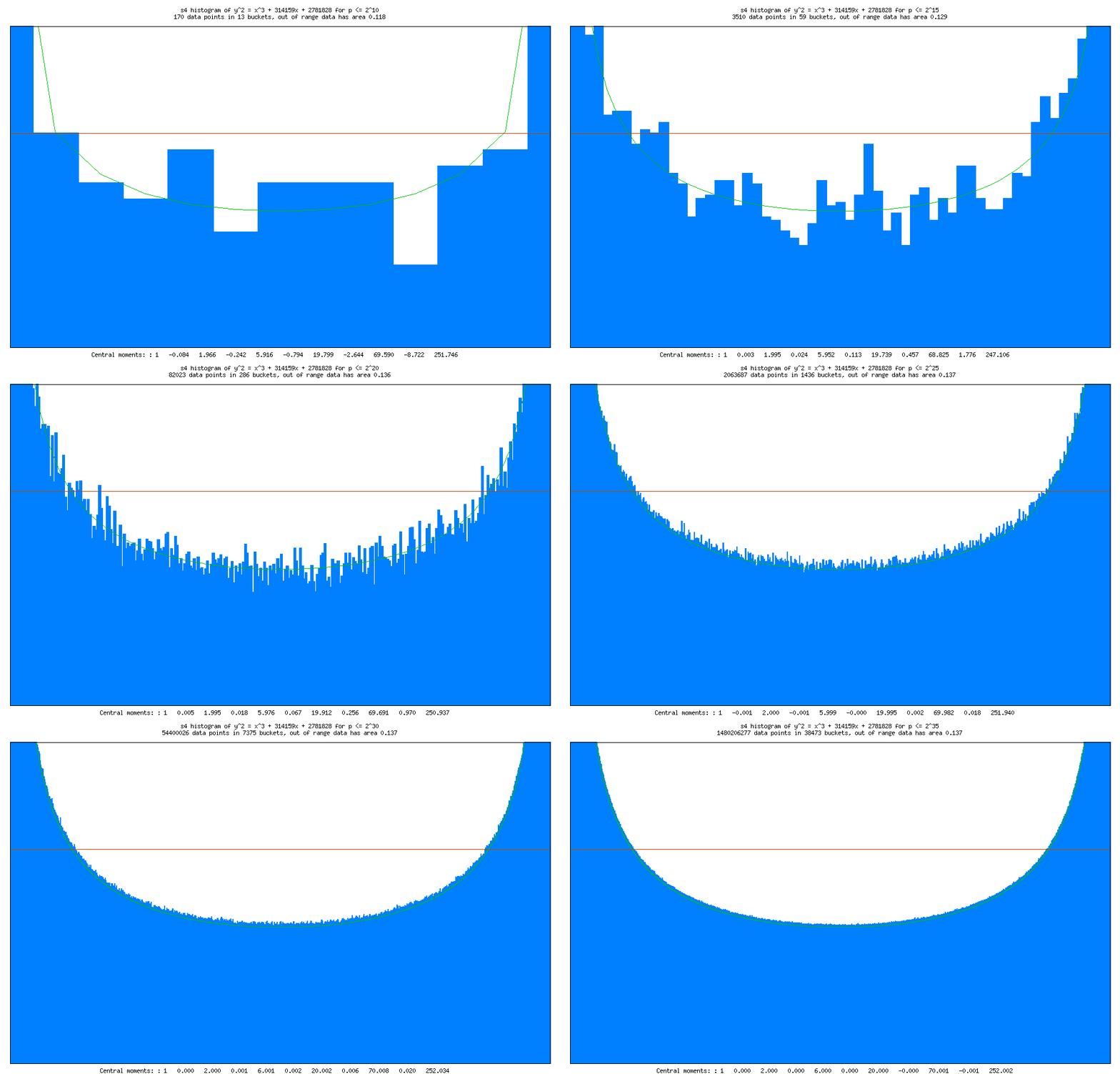 s5:
s5: 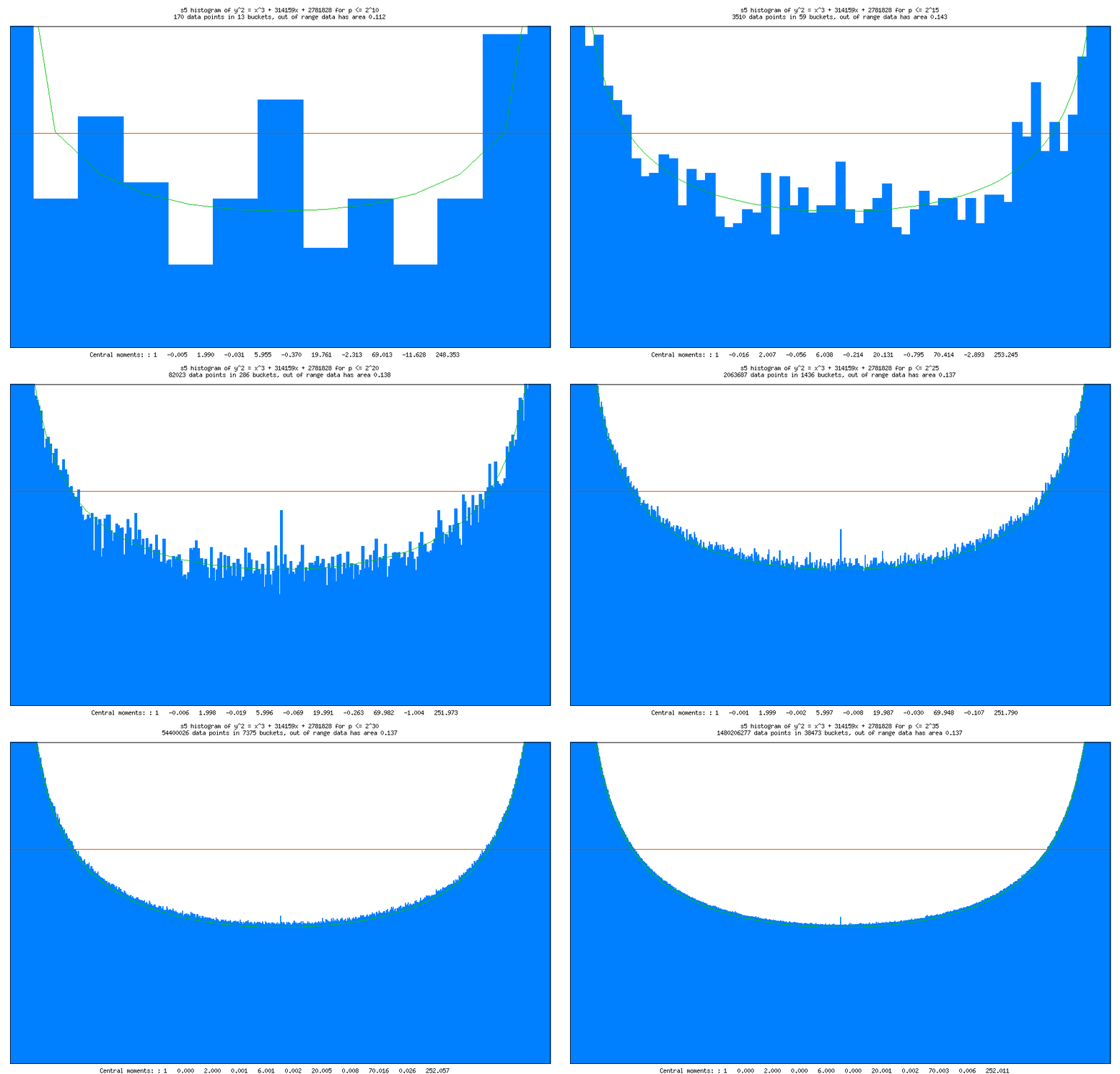
 a2:
a2: 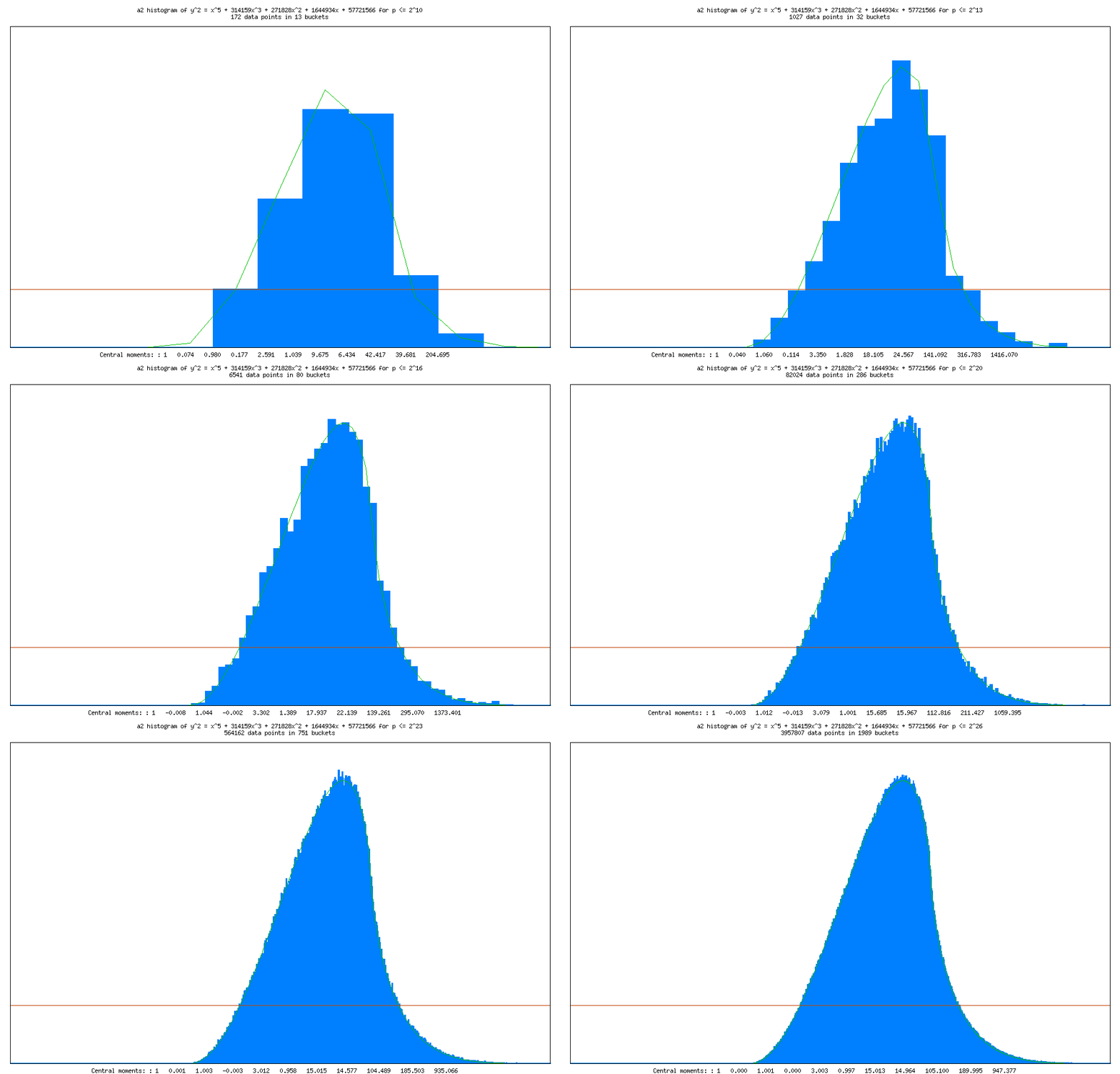 s2:
s2: 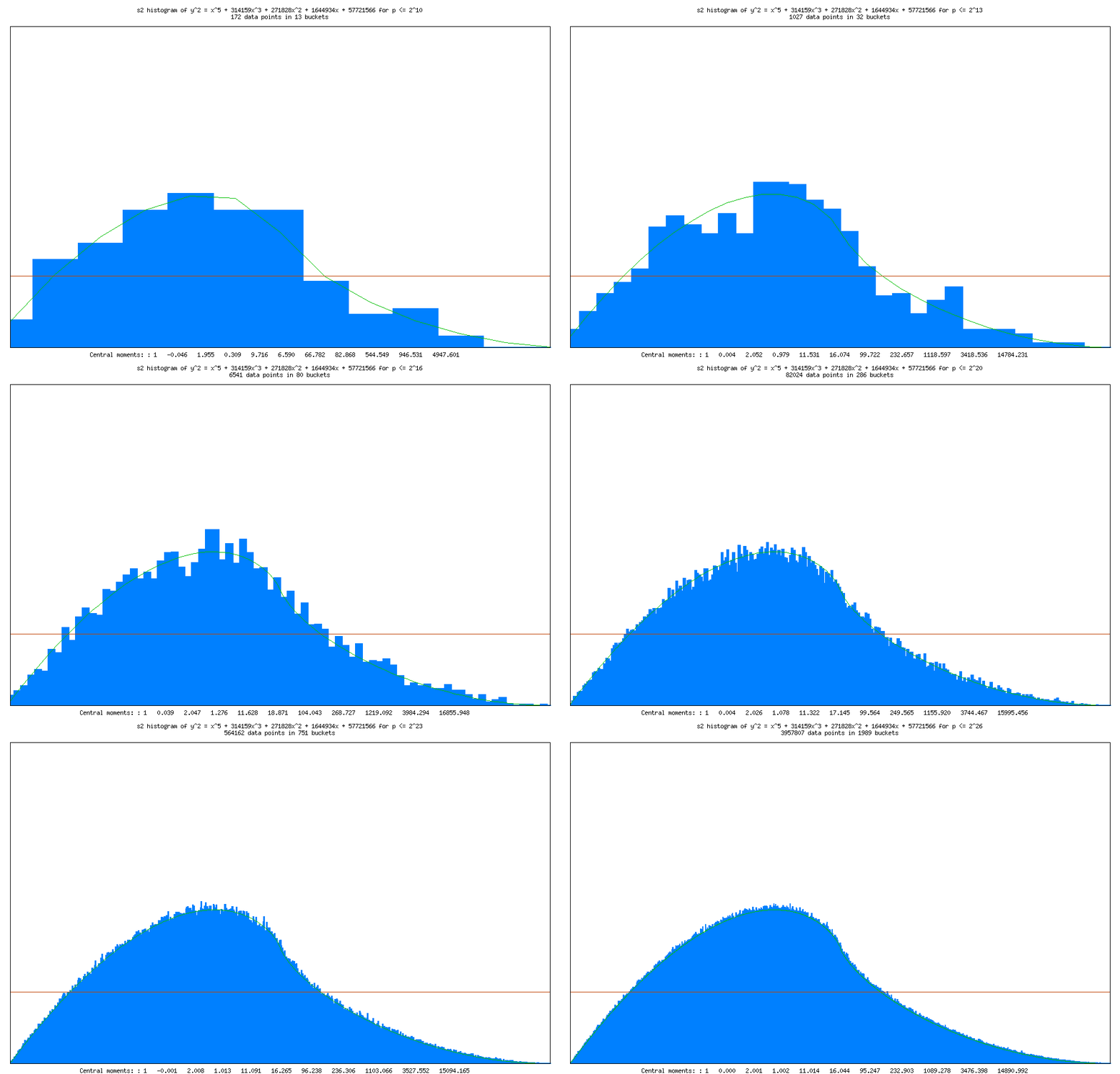 s3:
s3: 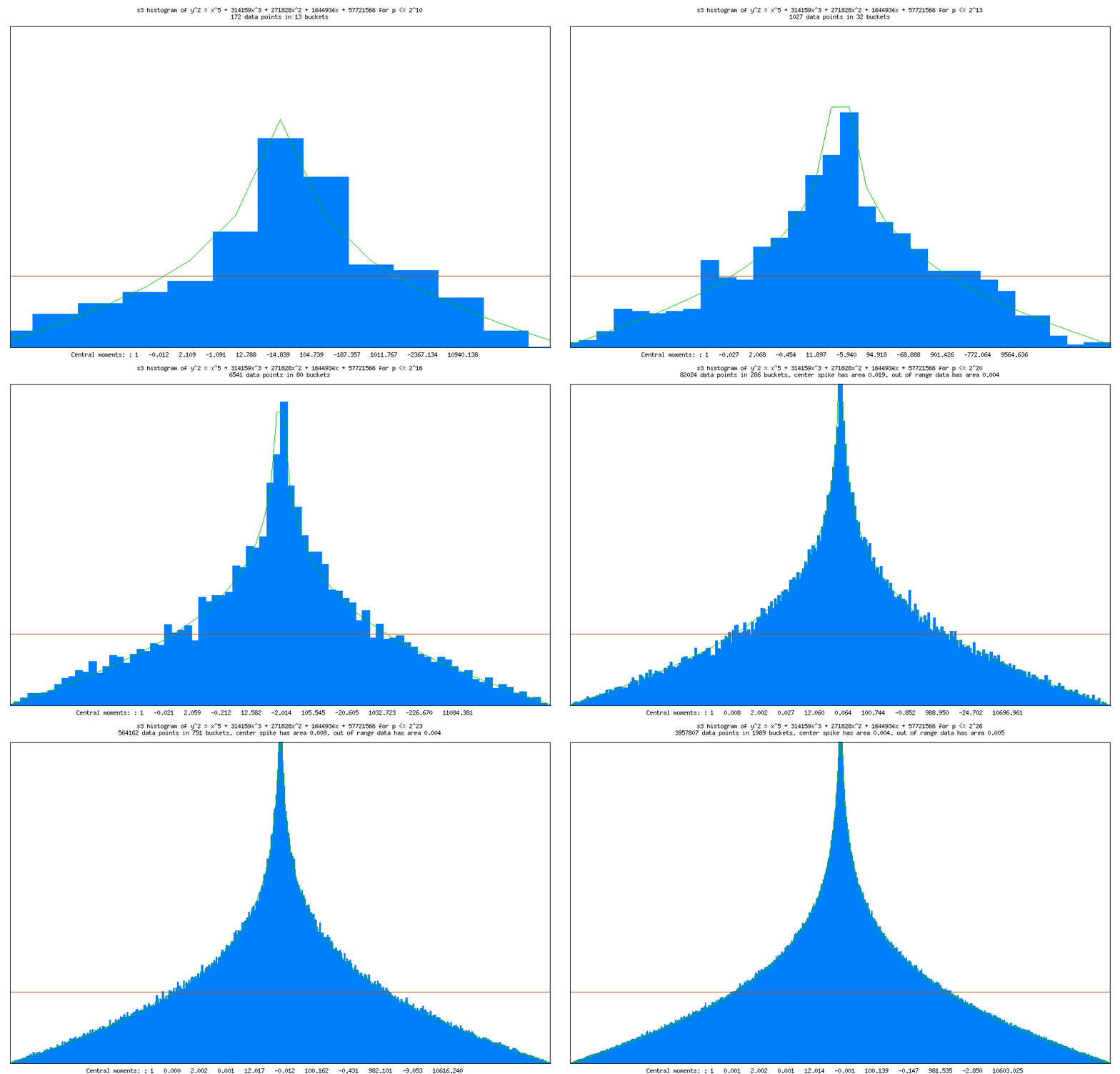 s4:
s4: 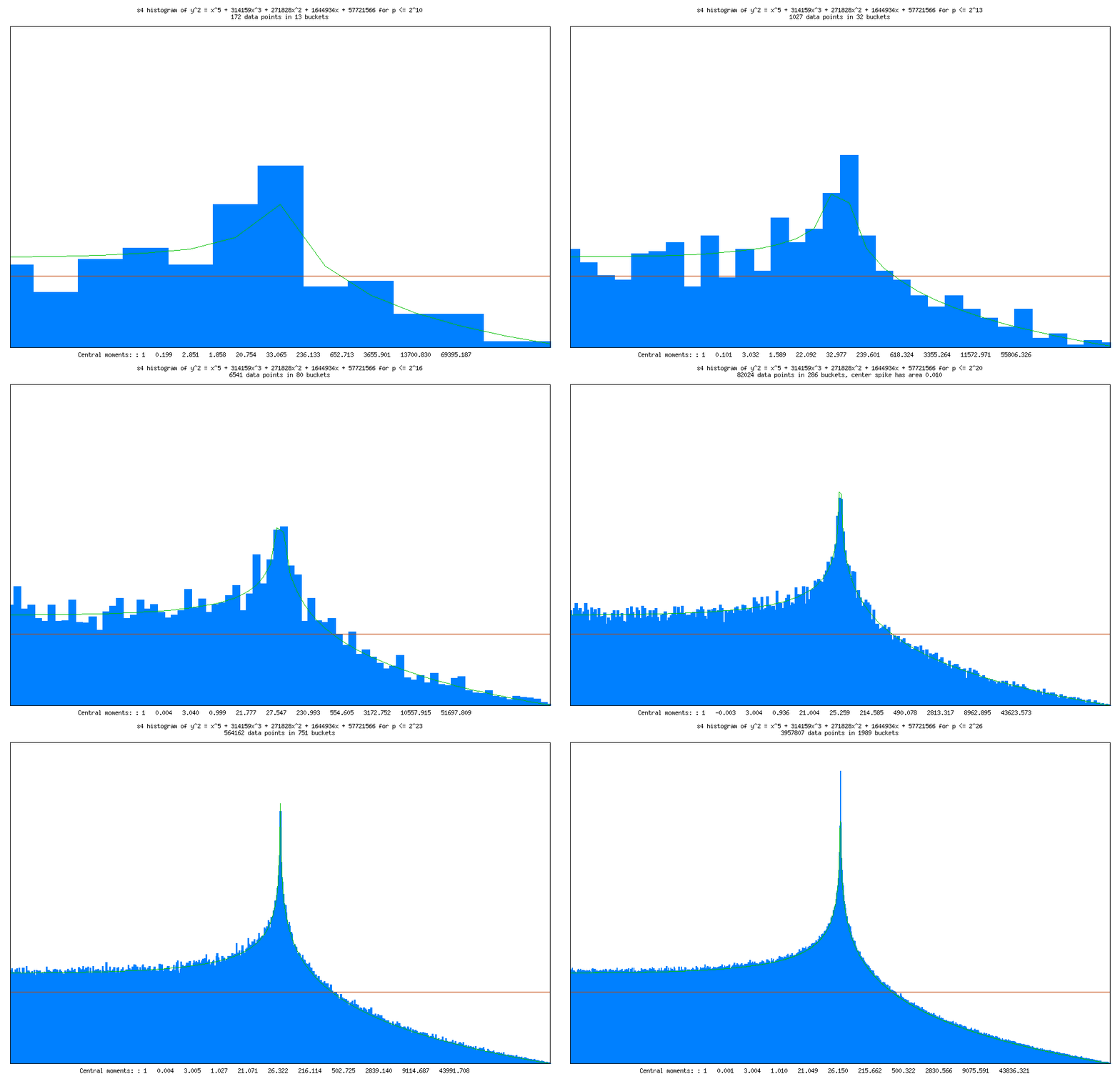 s5:
s5: 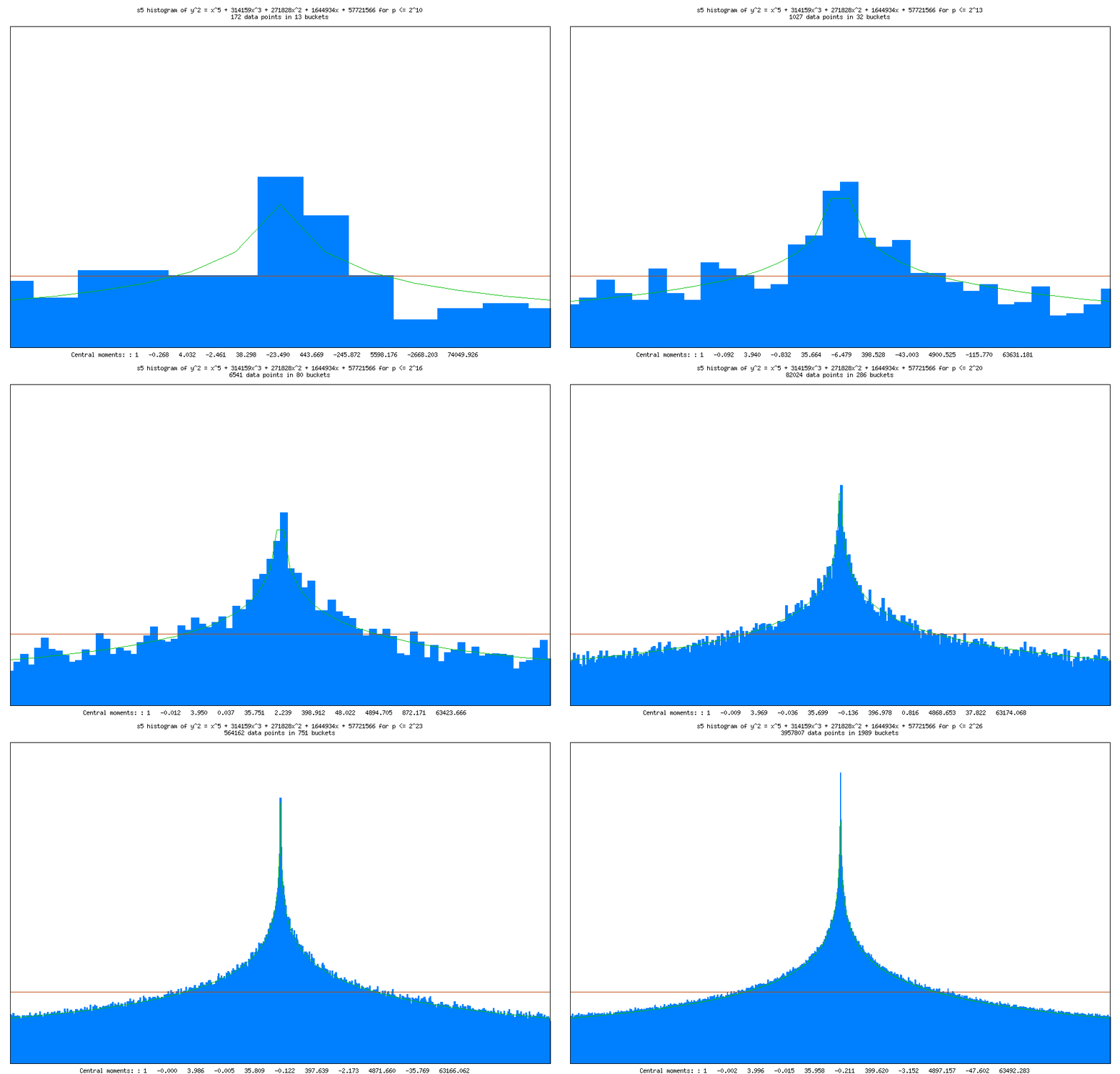 s6:
s6: 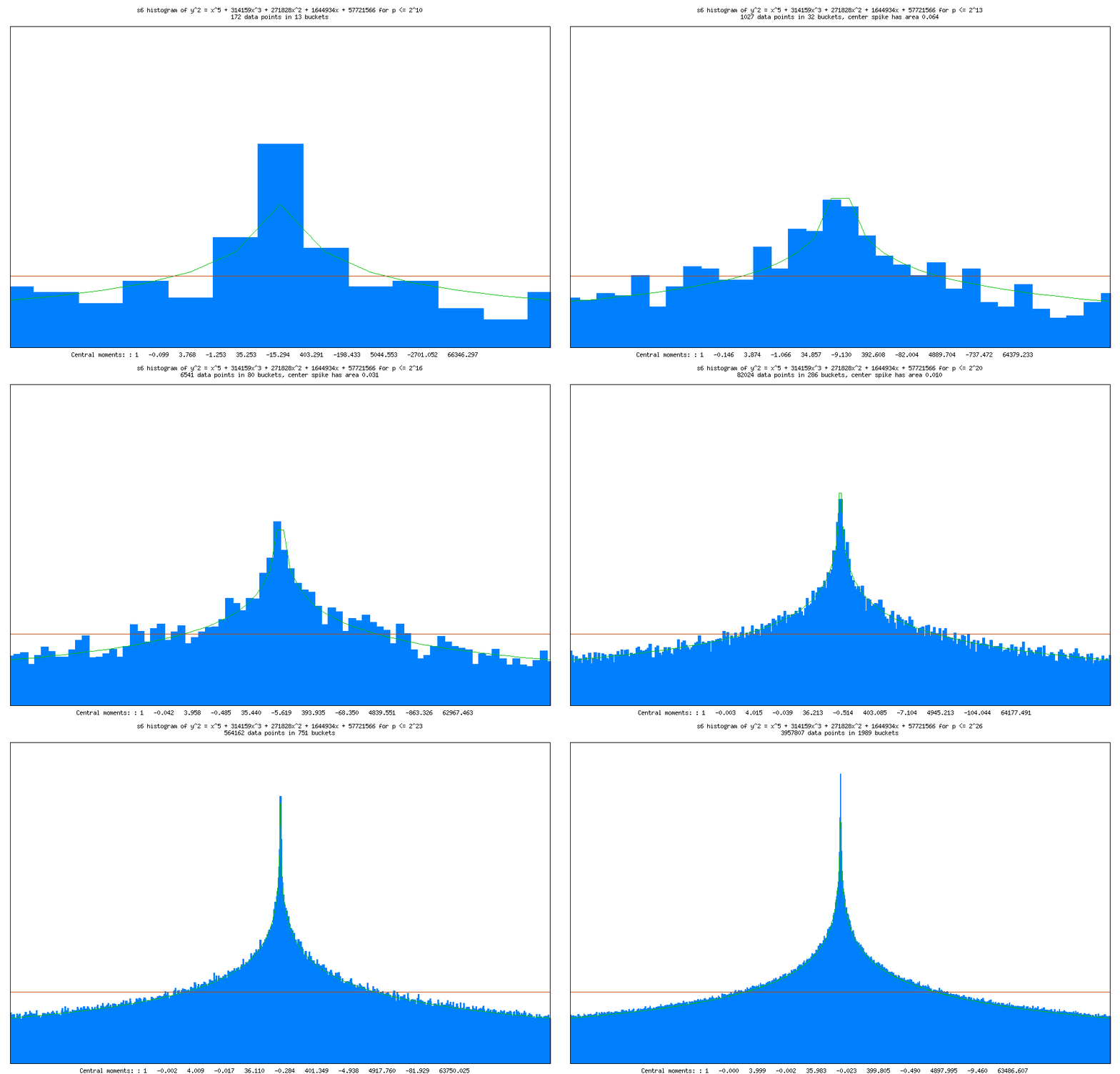 s7:
s7: 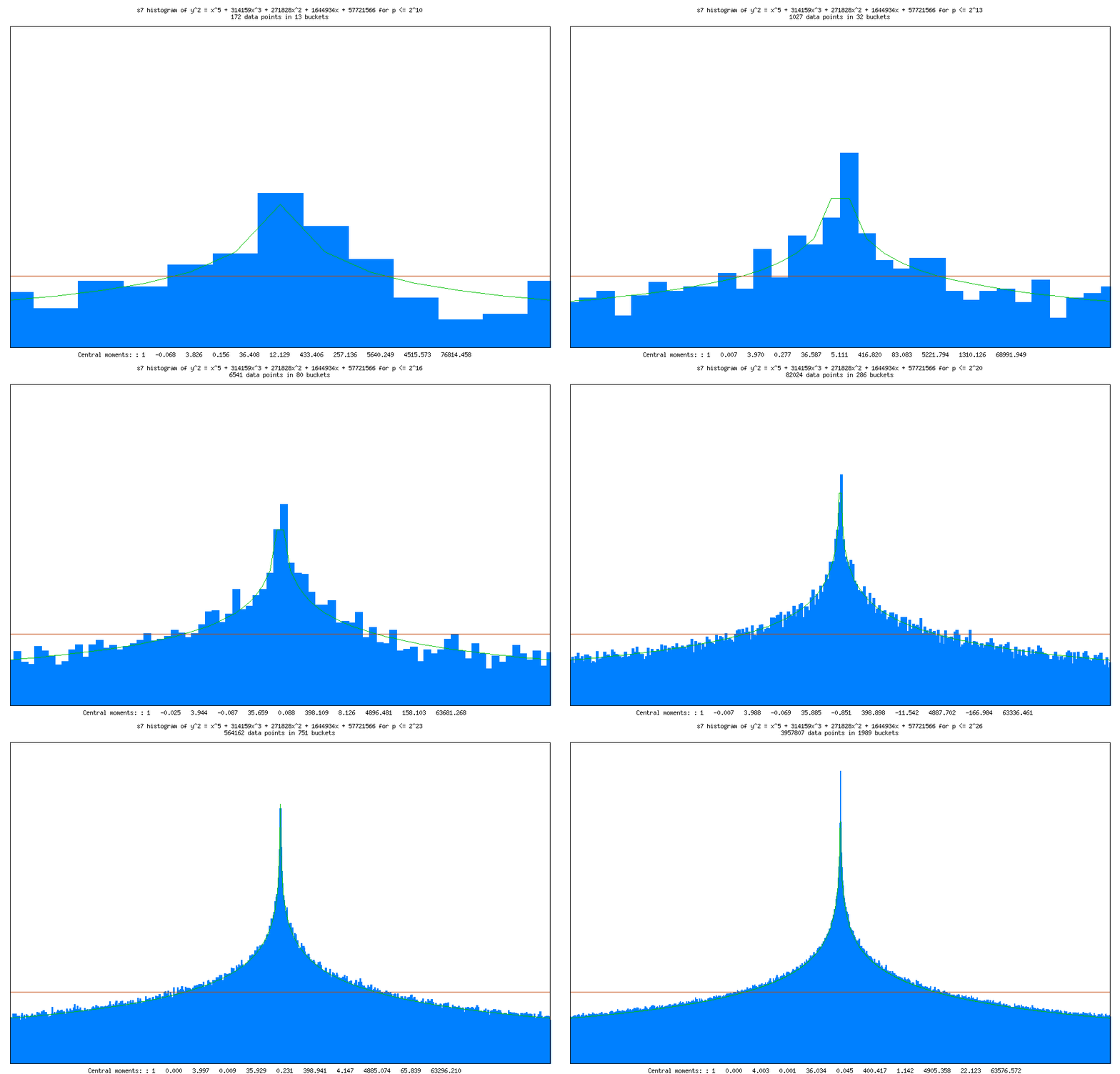
 a2:
a2: 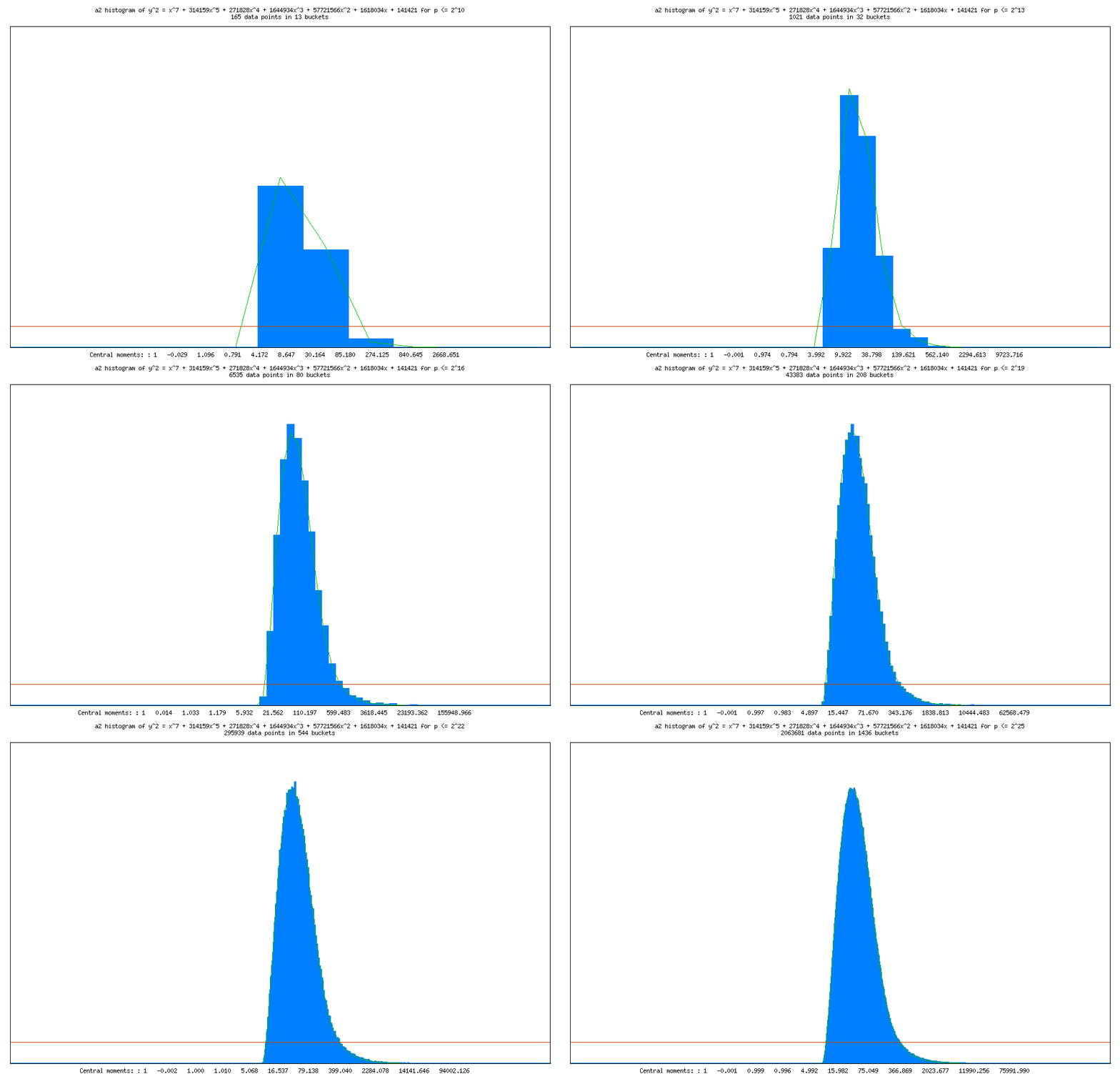 a3:
a3: 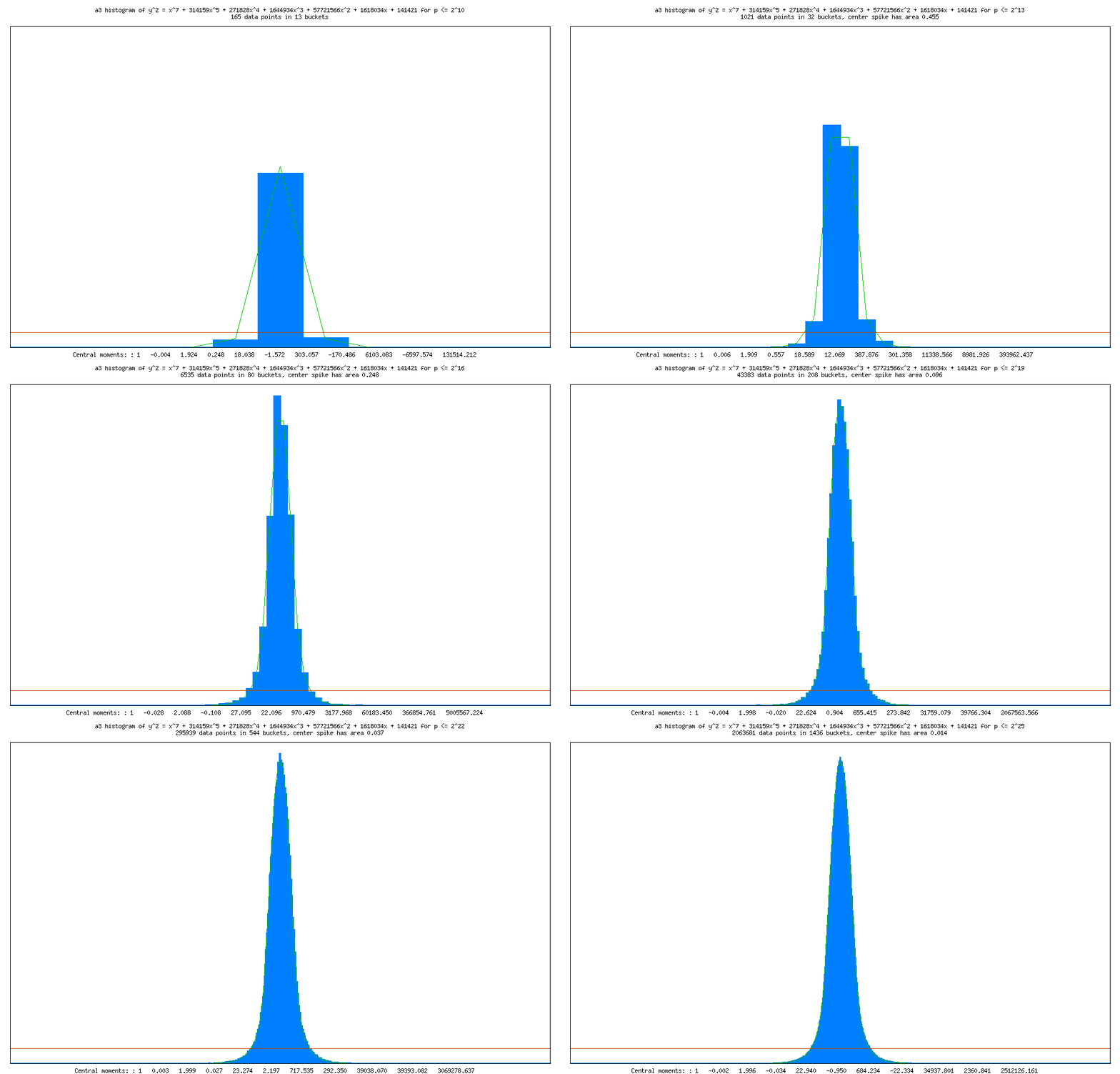 s2:
s2: 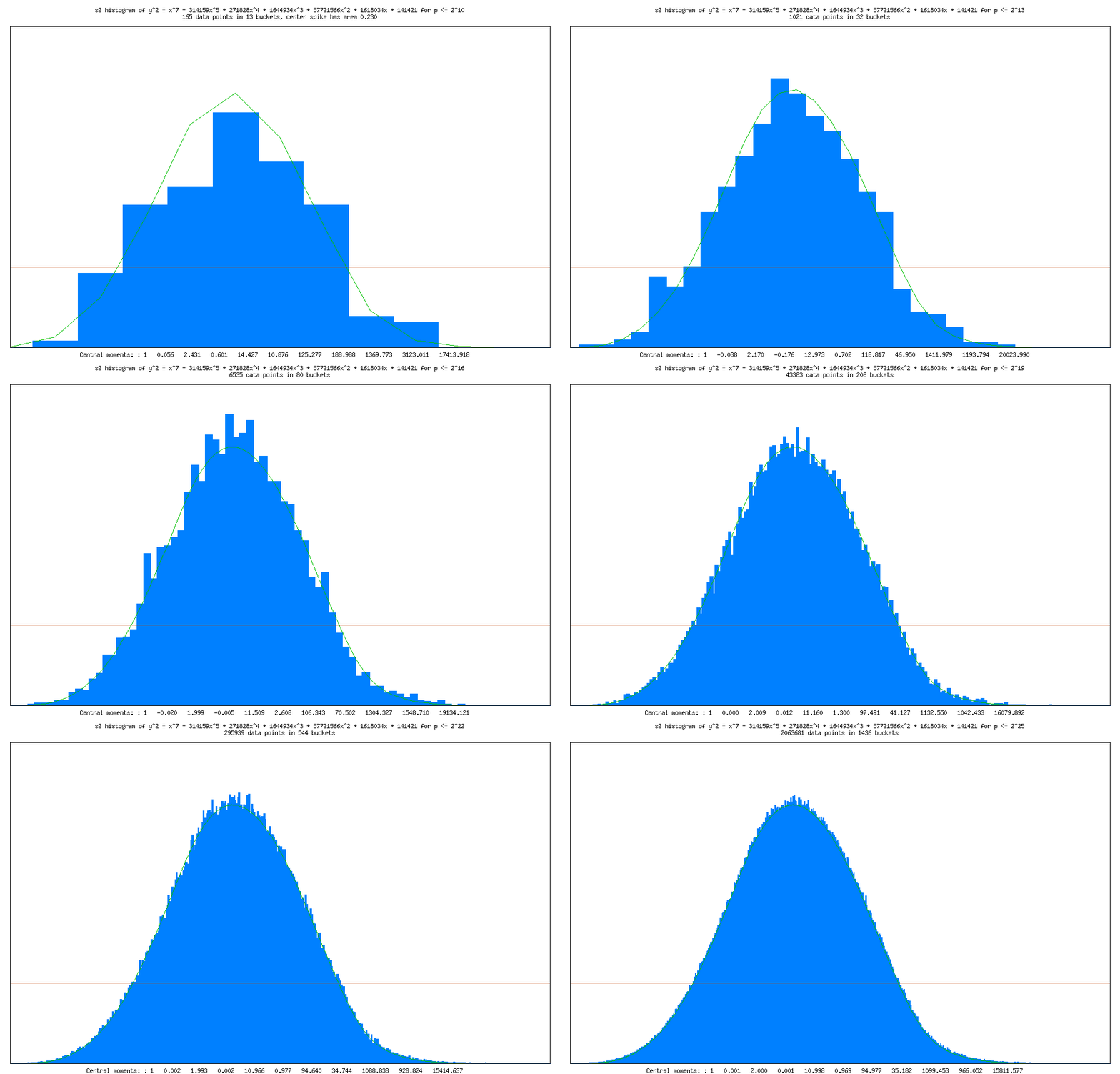 s3:
s3: 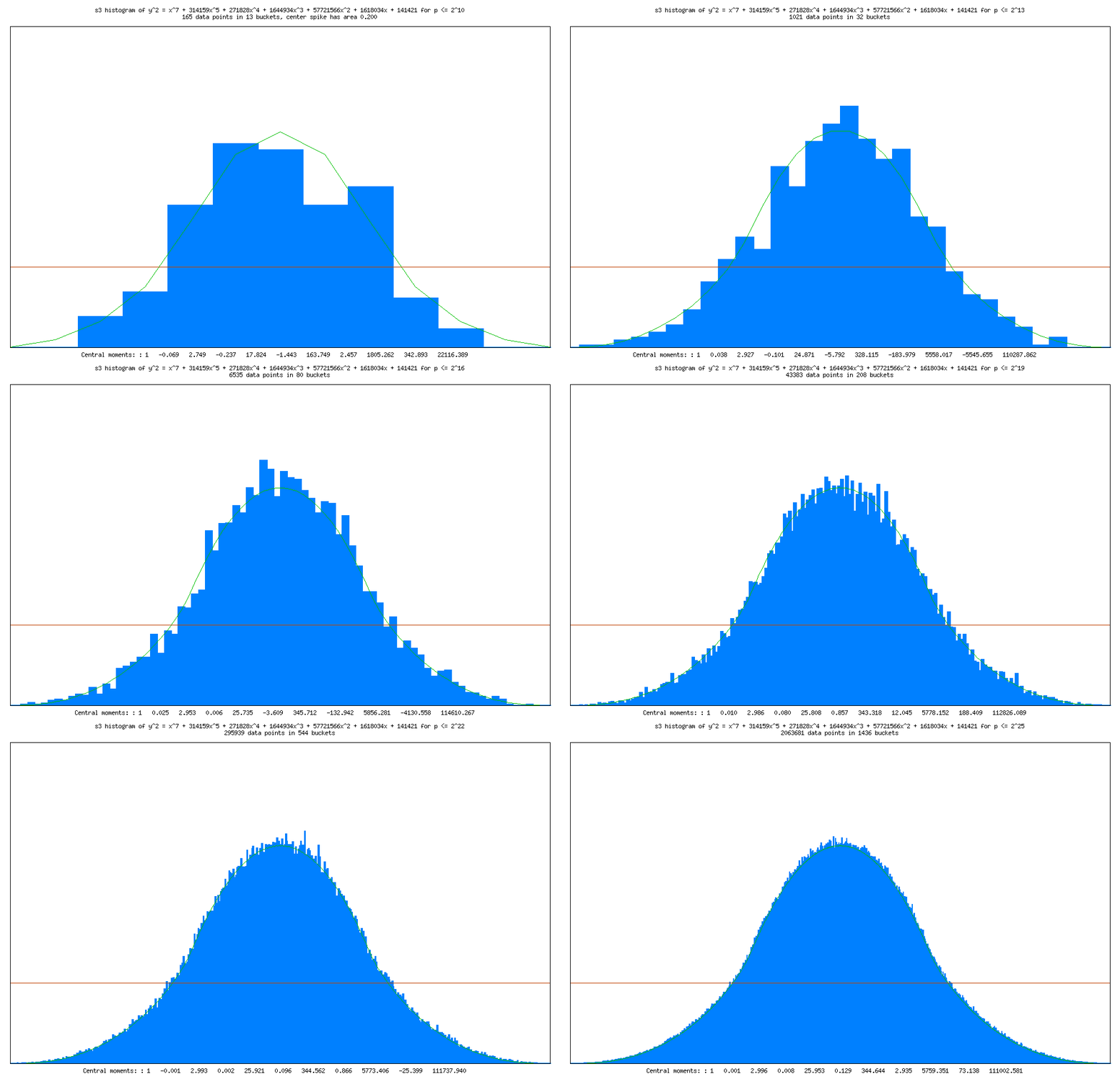 s4:
s4: 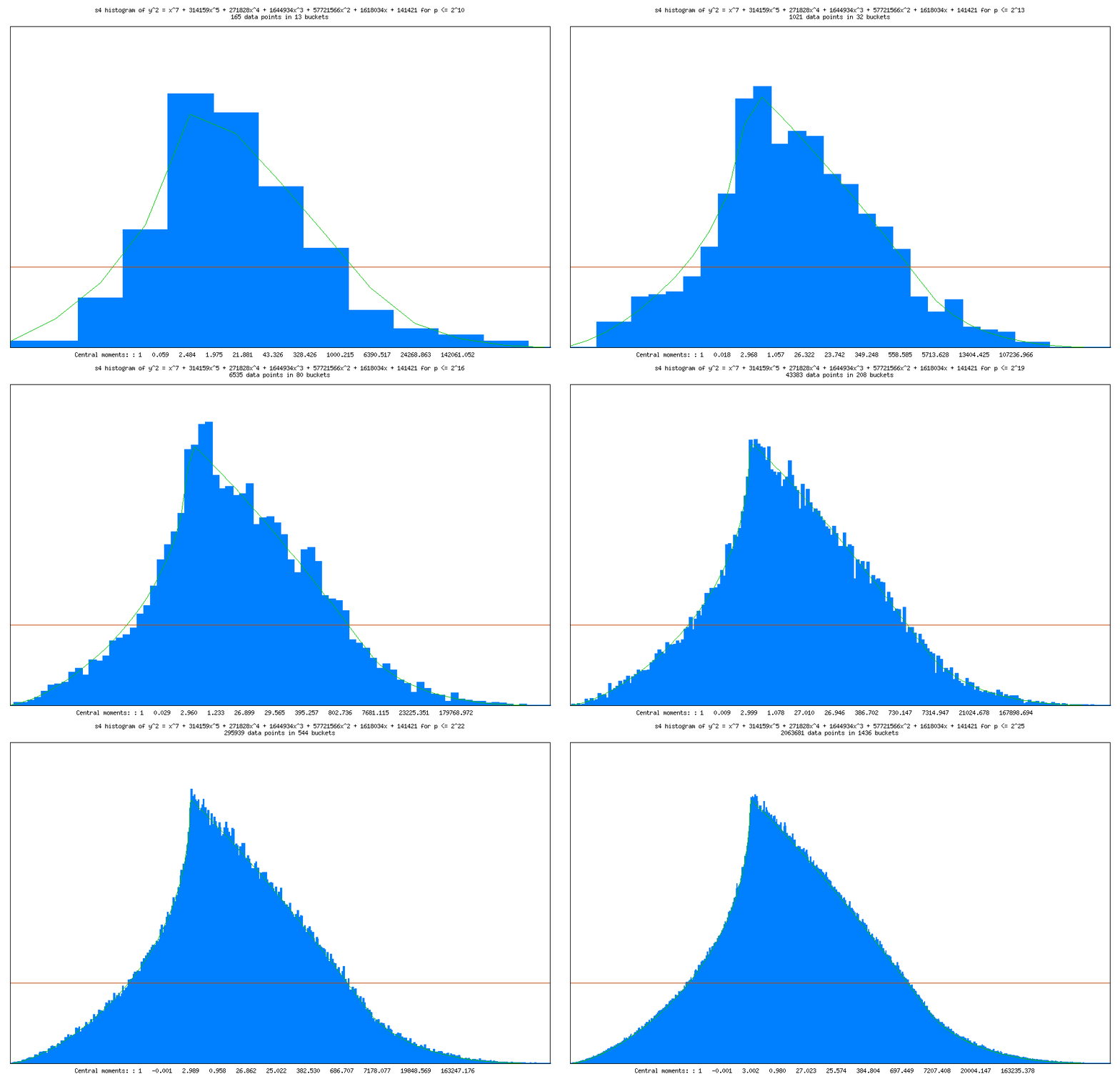 s5:
s5: 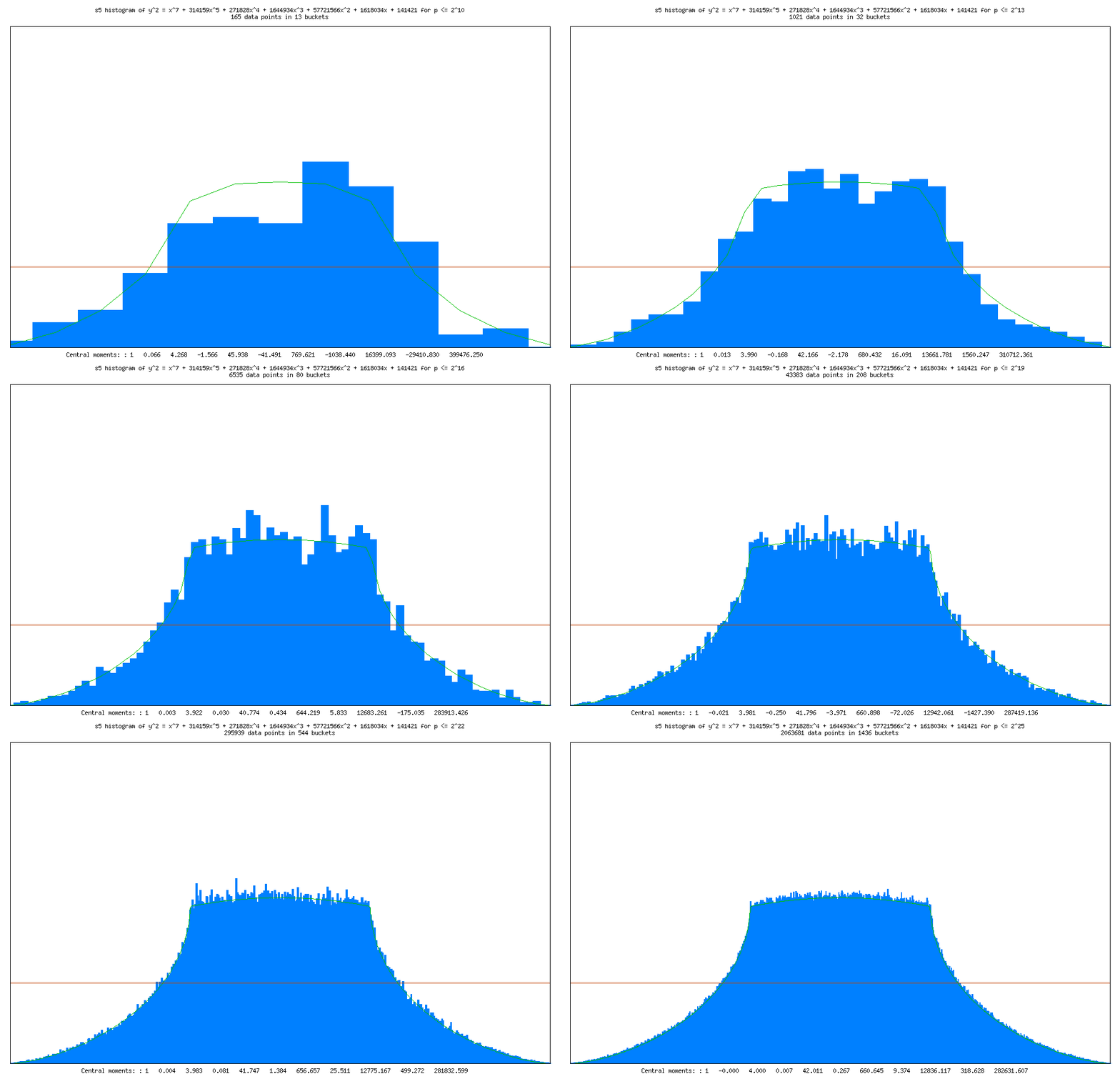 s6:
s6: 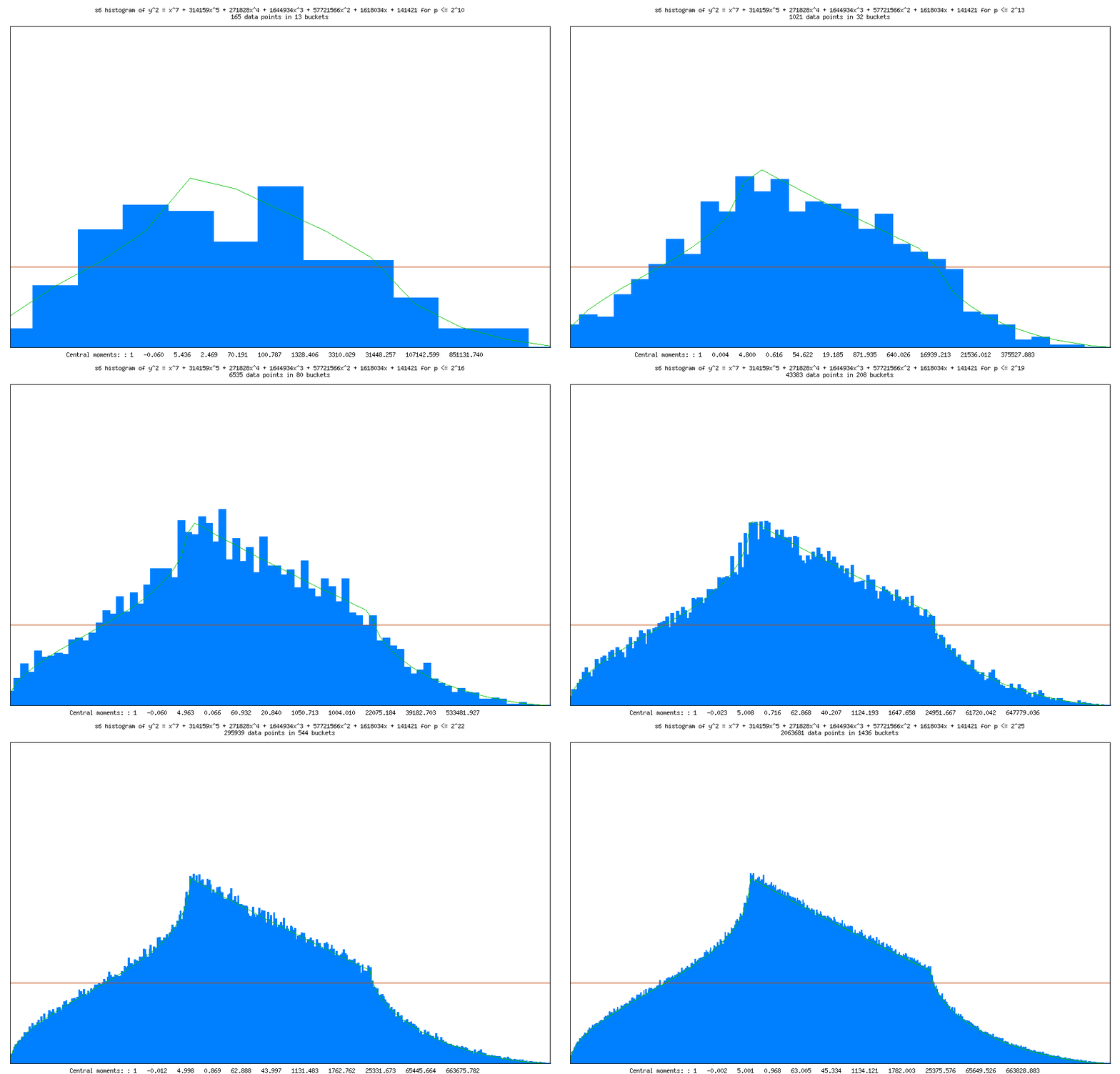 s7:
s7: 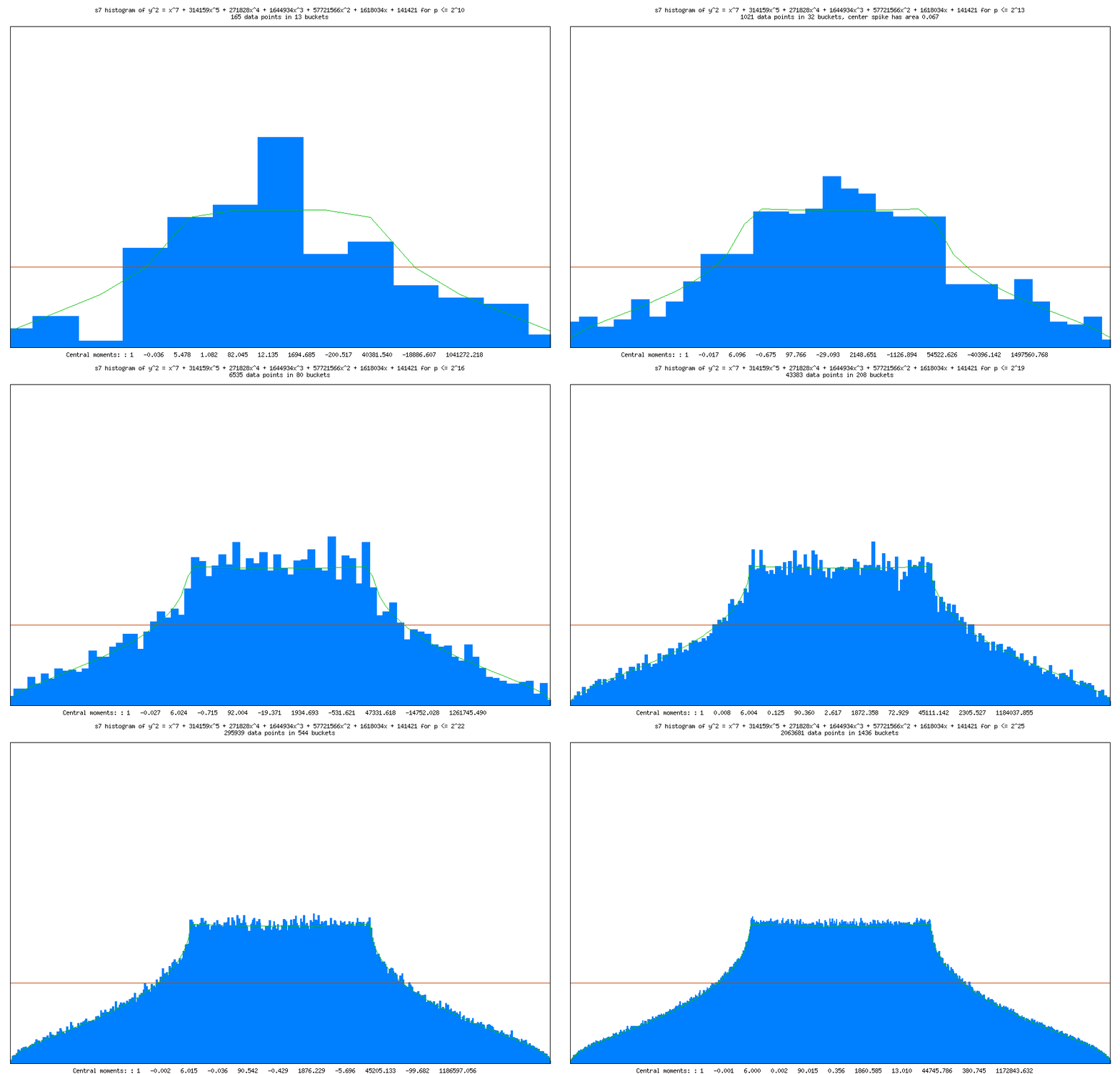 s8:
s8: 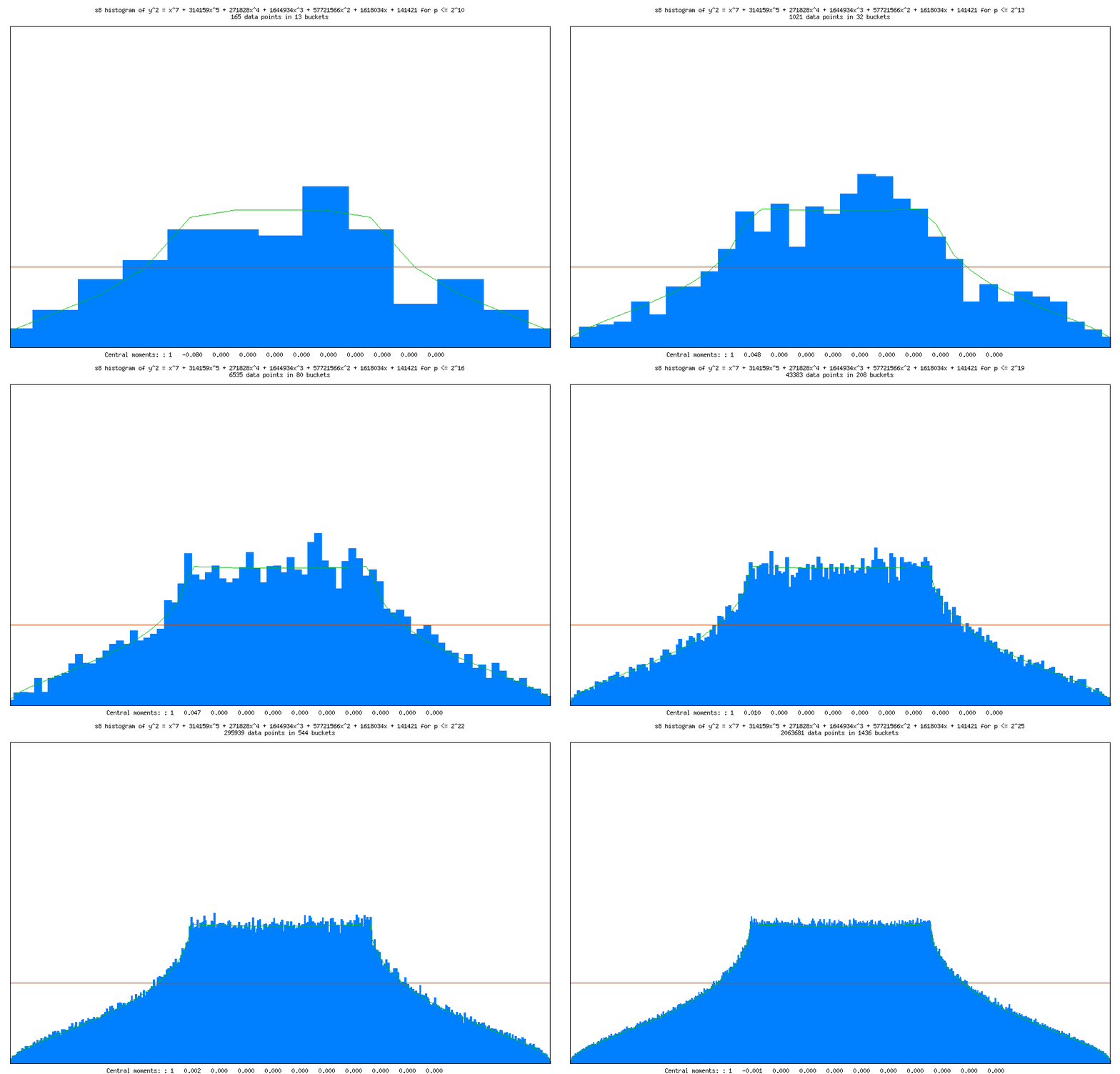 s9:
s9: